Vibrator intimacy: bridging the orgasm gap together
Just 18% of cis women orgasm from penetration alone. This statistic makes clitoral aid a mechanical necessity, not a luxury. Integrating a vibrator shifts the dynamic from performance to shared experience, turning sexual mechanics into a vehicle for deeper emotional closeness. You will see how mutual physical pleasure redefines intimacy, how increased blood flow drives orgasmic response, and the specific frameworks for strategic communication required to introduce these tools effectively.
Research confirms that shared pleasure dismantles the pressure of gendered performance metrics common in heterosexual dynamics. A 2010 study of 2,056 women established that comfort with these devices correlates directly with positive sexual function, refuting the idea that they create distance. When couples address the biological reality that most cis women require added stimulation, they support self-disclosure and reduce the anxiety surrounding masculine achievement.
We must look at the specific mechanics of how external stimulation bridges the gap between penetrative sex and climax. The conversation extends beyond utility to examine how novelty and variety act as stabilizers for long-term relational health. Mastering these physiological mechanics allows partners to navigate desire with precision rather than hesitation.
The Role of Mutual Pleasure in Defining Sexual Intimacy
Defining Intimacy Through Reciprocity and Self-Disclosure
Sexual intimacy requires emotional closeness, reciprocity of trust, and active self-disclosure. Researchers define this state as a foundation for vulnerability where partners share personal information freely. Far from severing the human connection required for bonding, vibrators function as intimate tools designed to heighten pleasure. Mutual pleasure acts as the catalyst for this reciprocal exchange.
The data is clear: a 2010 study of 2,056 heterosexual, bi, and lesbian women aged 18-60 found that most vibrator users indicated comfort using them with a partner, and this was related to positive sexual function. By focusing on shared sensation, couples bridge a significant physiological gap that penetration alone often leaves open.
Bridging the Orgasm Gap with Clitoral Stimulation During Penetrative Sex
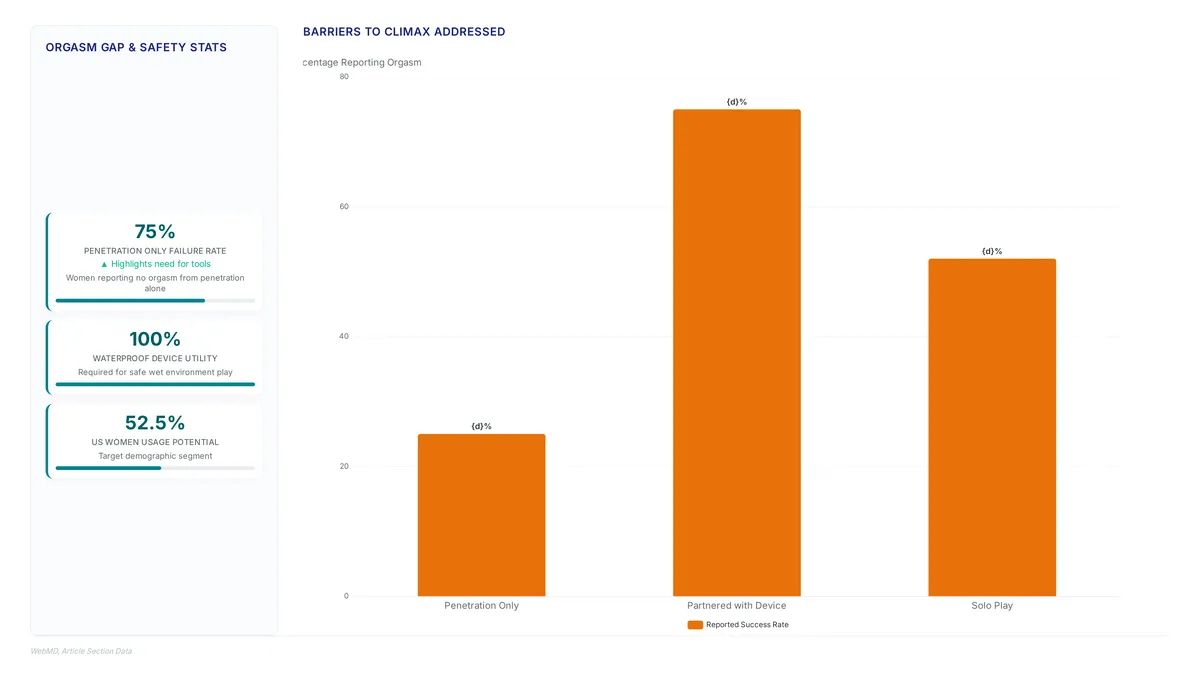
Adding vibration during intercourse addresses a hard biological fact: most cis women cannot climax from penetration alone. 75% of women report that penetrative sex alone does not lead to orgasm. This discrepancy frequently creates emotional distance, but introducing a device like the Tenuto transforms the experience by enabling hands-free mutual pleasure. It stimulates the penis, balls, perineum, outer labia, and clitoris simultaneously.
The mechanism relies on increasing genital blood flow, which notably raises the probability of orgasm for all bodies involved. When the tool handles the mechanics of stimulation, partners can focus on the connection.
Debunking the Myth That Vibrators Replace Human Connection
Vibrators are catalysts for shared novelty, not substitutes for human connection. Data contradicts the fear that technology creates distance; a majority of adults believe using a vibrator with a partner improves relationship intimacy.
The device remains inert without human guidance. It serves only as a playful element within new shared experiences. Addressing discomfort requires reframing the tool as an aid to mutual awareness. Modern designs increasingly focus on couple-friendly forms, with dual-ended units gaining traction as tools specifically engineered for shared experiences. This evolution highlights a critical insight: the technology adapts to human connection needs, not the reverse. Designs enabling simultaneous stimulation support this relational flexibility by allowing partners to focus on each other. Viewing toys as replacements ignores their role in expanding the sensory repertoire available to couples. True intimacy grows when partners explore these sensations together, using the device to articulate desires that words alone cannot convey.
Physiological Mechanics of Clitoral Stimulation and Orgasmic Response
Physiology of Clitoral Stimulation and Blood Flow Mechanics
Vibrator motors generate rapid oscillations that create pressure waves, directly stimulating nerve endings to trigger vasodilation. This biological response increases blood flow to the genitals, facilitating natural lubrication and arousal necessary for climax. Research indicates 83% of users prefer devices providing this external-only stimulation, highlighting a clear physiological priority for surface-level contact stimulation.
Traditional motor-driven tools rely on direct touch, whereas air-pulse technology simulates suction without physical contact to reduce overstimulation risks. Sustained direct pressure can desensitize tissue, while alternating mechanisms maintain neural responsiveness. Thermal features found in premium units, often priced near a moderate cost, further promote blood flow through controlled heating elements.
| Feature | Direct Motor Oscillation | Air-Pulse Technology |
|---|---|---|
| Contact Type | Physical touch required | Non-contact suction |
| Sensation | Rumbly or buzzy vibration | Simulated oral pressure |
| Risk Profile | Potential desensitization | Lower overstimulation risk |
Mysteries.love designs its ergonomic collections to maximize this hemodynamic response while maintaining partner contact during intimacy. Generic devices often fail to account for individual variances in nerve sensitivity, leading to user frustration. By prioritizing adjustable frequencies, couples can synchronize physiological responses without compromising emotional connection. Traditional penetration often fails to stimulate the dense nerve network of the clitoris required for release. Introducing a hands-free device bridges this physiological disconnect by maintaining continuous contact without disrupting partner proximity. Couples can apply wearable designs that fit comfortably during intercourse, ensuring skin-to-skin connection remains uninterrupted while delivering necessary vibration. This approach directly targets the intimacy gap by allowing partners to focus on mutual sensation rather than mechanical positioning.
Performance pressure frequently stems from the misconception that a partner must single-handedly induce climax. Shared use of a vibrator redistributes this burden, transforming a potential source of anxiety into a collaborative act of sexual awareness.
| Traditional Approach | Integrated Vibrator Use |
|---|---|
| Relies on friction alone | Adds targeted oscillation |
| high-performance pressure | Shared responsibility |
| Interrupted contact for adjustment | Continuous physical closeness |
Exploring these tools together fosters reciprocity of trust, a core component of emotional intimacy. Partners who select devices together often report increased comfort and reduced intimidation regarding technology in the bedroom. The Mysteries.love collection offers curated solutions designed specifically for this type of collaborative exploration, prioritizing body-safe materials and intuitive controls. Adopting these tools reframes the narrative from individual inadequacy to shared discovery. Mutual pleasure becomes the primary goal, effectively bypassing the statistical improbability of penetration-only orgasms.
Vibrator Versus Manual Stimulation: Consistency and Intensity Analysis
Mechanical actuators deliver constant frequency output that human muscles cannot physically sustain during extended intimacy sessions. Manual stimulation often suffers from fatigue-induced inconsistency, causing fluctuations in pressure and rhythm that interrupt arousal cycles. Vibrator motors maintain precise oscillation patterns regardless of duration, ensuring steady nerve stimulation necessary for reaching climax.
| Feature | Manual Stimulation | Vibrator Stimulation |
|---|---|---|
| Consistency | Variable due to fatigue | Constant mechanical output |
| Intensity | Limited by human strength | Adjustable high-frequency waves |
| Endurance | Decreases over time | Sustained indefinite duration |
| Focus | Broad tactile contact | Targeted nerve activation |
Advanced models feature remote control capabilities, allowing partners to adjust intensity without breaking physical contact or eye connection. Hands-free designs fit comfortably during intercourse, solving the common complaint that traditional devices alter skin-to-skin closeness. The learning curve involves open communication about settings to avoid overstimulation or discomfort.
Fifty-two percent of adults believe incorporating these devices improves relationship intimacy by shifting focus from performance to shared exploration. Manual techniques rely heavily on intuition and immediate feedback, whereas vibrators offer programmable predictability. Consistent sensory input helps bridge the gap between different arousal timelines. Couples seeking this balance should explore the curated collection at Mysteries.love, where products are selected specifically to enhance mutual pleasure without compromising emotional connection.
Strategic Communication Frameworks for Introducing Sex Toys
Reframing Vibrators as Shared Pleasure Enhancers
Reframing vibrators requires shifting perspective from skill replacement to collaborative sensory expansion. Without humans to guide them, they remain merely buzzing devices lacking intent or connection. This conceptual shift dismantles the misguided belief that external tools indicate a partner's incompetence. In reality, a majority of American women between the ages of 18 and 60 report using a vibrator, signaling widespread integration rather than deficiency. These tools function best when couples treat them as extensions of touch rather than substitutes for it.
Test distinct settings like rumbly or buzzy modes to map mutual preferences. The market reflects this evolution, with the "couple-friendly" segment expanding via devices designed for shared experiences. Such intentionality transforms a mechanical object into a conduit for deeper awareness. Partners who explore these settings together create a new repertoire of what feels good for both individuals. This mindful task brings attention to the present moment, directly increasing emotional intimacy through physical exploration. Mysteries.love designs products specifically to enable this type of guided, connected play without disrupting closeness.
Scripting the Conversation: Timing and Consent Protocols
Initiate dialogue outside the bedroom. Frame the vibrator as a tool for enhancing shared pleasure rather than fixing dysfunction. If a person already uses a vibrator solo, they can suggest to their partner that they would like to enhance the partner's pleasure experience. Opening this conversation about shared pleasure enables deeper communication regarding desires and boundaries.
Propose testing rumbly or buzzy settings together to map new sensory territories.
| Timing Context | Recommended Approach | Outcome Focus |
|---|---|---|
| Neutral Setting | Casual conversation | Reduces performance anxiety |
| During Foreplay | Non-verbal introduction | Immediate feedback loop |
| Post-Intimacy | Reflective discussion | Reinforces emotional safety |
Research indicates that when men view these tools as pressure reducers rather than replacements, emotional connection deepens significantly. The misguided belief that toys indicate incompetence ignores that devices require human guidance to function effectively. A tension exists between introducing novelty and maintaining security; navigating this dialogue carefully helps partners work through feelings together rather than pushing away from each other. Operators must balance enthusiasm with patience to ensure the conversation feels inviting rather than demanding. This strategic framing transforms a potentially awkward discussion into an opportunity for relationship development. Mysteries.love designs solutions specifically to enable these moments of open, judgment-free communication.
This biological reality drives the need for a structured approach to shared device usage. Partners must systematically test different settings such as rumbly, buzzy, fast or slow to identify specific tactile preferences. Asking what a partner likes or dislikes transforms abstract desire into actionable data.
- Select an entry-level device starting around $50 to minimize risk while testing interest in shared stimulation.
- Test distinct settings together.
| Setting Type | Sensation Profile | Best Use Case |
|---|---|---|
| Rumbly | Deep, resonant | Broad area warmth |
| Buzzy | Surface level, sharp | Focused clitoral touch |
| Fast | High frequency | Rapid escalation |
| Slow | Low frequency | Teasing and edging |
This calibration process reduces performance pressure by shifting focus from outcome to exploration. Visualizing high usage rates alongside relationship satisfaction validates introducing toys as a relationship-enhancing step. Couples that prioritize this technical alignment often discover that without humans to guide them, devices remain just buzzing devices. Mysteries.love solutions enable this precise communication through ergonomic designs built for dual participation.
Practical Applications of Novelty and Partnered Dynamics in Sex
Defining Orgasm Denial and Intensity Dynamics
Orgasm denial maintains high arousal without climax to place trust directly in a partner's hands. This flexible requires significant care because it involves a great deal of trust between participants. Partners explore these states by sustaining edge states that delay release, creating a feedback loop of dependency and attention. Forced orgasms invert this pressure. One partner stimulates the other who actively attempts to delay their own release. The receiving partner struggles against mounting sensory input while the other controls the vibration intensity or pattern.
Using a device that is waterproof allows these scenes to extend into showers or other wet environments safely. These practices reframe the orgasm gap by making delayed or induced climax a shared project rather than an individual failure. Traditional penetration leaves many partners without release, yet these dynamics ensure both parties focus on the process of sensation. Clear pre-negotiated signals become necessary since non-verbal cues can become ambiguous during high-intensity play. Couples seeking to deepen this flexible often find that selecting hardware together reduces initial intimidation. This approach transforms potential performance anxiety into a structured game of control and surrender.
Executing Novelty Through Waterproof Play and Joint Selection
Selecting a 100% waterproof device enables safe exploration in wet environments like showers. This specification prevents water damage while allowing couples to expand their geographic intimacy beyond the bedroom. Moving play into new locations introduces sensory novelty that disrupts routine sexual scripts. Waterproof ratings vary by manufacturer, so verifying submersion limits is necessary before attempting aquatic use.
Couples can deepen their connection by picking out a vibrator together to ensure the device suits both partners. This collaborative selection process reduces anxiety and ensures the chosen tool does not intimidate anyone in the bedroom. Joint shopping transforms the vibrator from a solitary aid into a shared asset for mutual pleasure.
Managing Trust Risks in Intense Scenarios
Intense scenarios occur where a receiving partner tries to delay climax while the other stimulates them. This intensity demands rigorous consent protocols because the receiving partner actively resists release against overwhelming sensory input. Such activities can increase intimacy due to the high level of trust involved, yet they carry emotional risk if care boundaries are ignored. BDSM involves a hell of a lot of trust and care. Pushing a partner past their limit without established signals can fracture the very trust these dynamics seek to deepen. The drawback is clear: without pre-negotiated safewords and continuous check-ins, the power exchange becomes harmful rather than connective.
Partners engaging in these scenes must prioritize aftercare to process the intense vulnerability exchange.
| Risk Factor | Mitigation Strategy |
|---|---|
| Overstimulation | Establish non-verbal stop signals |
| Emotional Drop | Schedule dedicated aftercare time |
| Trust Erosion | Debrief immediately post-scene |
Couples seeking to explore these heights safely should select tools designed for shared control. Devices engineered for precise intensity management ensure partners maintain connection without compromising safety.
About
Dr. Ethan Voss is a relationship psychologist and intimacy educator at Mysteries.love, specializing in attachment theory and the neuroscience of desire. His expertise uniquely positions him to explore how vibrators can deepen emotional bonds rather than simply providing physical stimulation. In his daily work counseling couples, Dr. Voss observes how introducing shared novelty often breaks down communication barriers and fosters the reciprocity of trust necessary for true intimacy. This article connects clinical research on self-disclosure with practical application, demonstrating how mutual pleasure acts as a catalyst for emotional closeness. At Mysteries.love, the editorial mission focuses on bridging hands-on guidance with body-aware education to normalize these conversations. By framing vibrators as tools for connection, Dr. Voss translates complex psychological concepts into actionable advice for partners seeking to reignite passion. His approach ensures that discussions around sex toys remain grounded in evidence-based wellness and relationship psychology, offering couples a pathway to deeper understanding through shared experience.
Conclusion
Sensory overload without structural consent protocols fractures trust rather than deepening connection. While the market pushes premium pricing, the actual barrier to satisfaction is not cost but the failure to negotiate intensity preferences before activation. Scaling intimacy requires treating these devices as wellness tools that demand the same safety rigor as any high-stakes physical practice. Ignoring the need for pre-scene boundary setting turns a potential catalyst for closeness into a source of emotional erosion.
Couples must adopt a strict policy of verifying waterproof seals and establishing non-verbal stop signals before any device touches skin. This approach shifts the focus from mere performance to sustainable relational safety. Do not assume compatibility; instead, treat every new tool as a variable requiring explicit calibration. The window for normalizing this level of communication is now, as the stigma around mechanical aid dissolves into a broader understanding of sexual health.
Start this week by scheduling a dedicated conversation to map out aftercare discussion points and test device limits in a neutral setting like a sink. This single step creates the necessary infrastructure for safe exploration without relying on guesswork during vulnerable moments.
Frequently Asked Questions
Most women cannot climax from penetration alone due to biological needs. Statistics show just 18% of cis women orgasm from purely penetrative sex without added clitoral stimulation.
These devices actually increase emotional closeness by fostering shared pleasure. Research indicates 75% of women report penetrative sex alone fails to cause orgasm, requiring external aid for mutual satisfaction.
The majority of women need direct stimulation beyond intercourse to finish. Data reveals 36% of women specifically report needing added clitoral stimulation to reach climax during sexual encounters.
Yes, specific designs stimulate male erogenous zones for hands-free mutual enjoyment. While exact male usage rates vary, the design allows simultaneous stimulation of the penis and clitoris effectively.
Beginners should select an affordable unit to minimize financial risk while exploring. Although specific low-cost options exist, buyers often look for devices starting around forty dollars to test interest safely.
References