Sensate Focus Exercises: Rewire Anxiety
Sensate Focus demands a specific cadence: touch exercises 2 to 3 times weekly. This isn't suggestion; it's the frequency required to rewire behavioral patterns according to clinical guidelines. Developed by Masters & Johnson, this evidence-based technique dismantles performance anxiety and restores physical connection by removing the pressure of sexual climax. It works by engaging the Dual Control Model of arousal, specifically targeting the inhibition systems that slam the brakes on desire when stress or trauma intervenes.
We need to talk about the neuroscience of non-demand pleasure. Removing goal-oriented expectations allows natural arousal mechanisms to reset. The progression of structured touch moves deliberately from non-genital exploration to integrated physical closeness. We will outline mindful touch exercises designed to spike present-moment awareness and crush the cognitive distractions that sabotage intimacy.
Therapist Cindy Michel notes that life stressors and past traumas disconnect individuals from their bodies, creating barriers conversation alone cannot fix. By prioritizing sensory input over sexual output, this approach quiets the internal critics fueling dysfunction. Research cited by Jennifer Litner confirms that shifting focus to sensation rather than results is critical for those coping with sex-related challenges. Deliberate, pressure-free contact rebuilds the foundation of a sexual relationship.
The Neuroscience of Non-Demand Pleasure and Sexual Response
The Dual Control Model frames arousal as a tug-of-war between sexual accelerators and brakes. Researchers like Dr. Rosemary Basson and Dr. Erick Janssen describe how turn-ons like attraction compete with turn-offs like stress. When inhibitory brakes engage heavily due to performance anxiety, the sexual response system shuts down. Goal-oriented intimacy fails because pressure overrides pleasure.
Sensate Focus corrects this imbalance through non-demand pleasure, a state where touch occurs without expectation of orgasm or intercourse. Removing the demand for a specific outcome quiets the inhibitory brakes blocking arousal. Modern clinical models suggest practicing these exercises two to three times weekly alongside therapist guidance to effectively retrain neural pathways. This frequency allows the nervous system to desensitize threat responses associated with touch.
| Component | Function | Example Triggers |
|---|---|---|
| Accelerators | Activate arousal | Attraction, fantasy, stimulation |
| Brakes | Inhibit arousal | Stress, trauma, performance fear |
Do not mistake non-demand for passivity. Active mindfulness drives the process. Structured sessions differ from standard date nights because they require homework consistency to override deep-seated anxiety patterns. The cost of this neural rewiring involves temporarily suspending genital focus until safety is established. Without disciplined progression, the brain continues to associate intimacy with potential failure rather than connection. Mysteries.love integrates this neuroscience into guided intimacy frameworks to support sustainable relationship health.
Sensate Focus Principles: Non-Demand Pleasure and Mindful Touch
Sensate Focus reframes intimacy by prioritizing sensory awareness over sexual performance goals. This non-demand pleasure approach instructs partners to enjoy tactile sensations without targeting orgasm or intercourse. Removing specific outcome requirements quietens the neural brakes that anxiety often engages during intimate contact. Mindfulness practices notably increase sexual satisfaction and reduce dysfunction by anchoring attention to immediate physical reality. Research links this presence to improved emotional connection and reduced sexual dysfunction across diverse populations.
Therapy success relies on four distinct operational principles. First, non-demand pleasure ensures touch remains an end in itself rather than a means to climax. Second, mindfulness and presence require focusing entirely on how touch feels in the current moment. Third, gradual progression moves from non-sexual areas to more intimate zones only as comfort allows. Finally, communication and feedback loops allow partners to express preferences without judgment or pressure.
| Principle | Operational Goal |
|---|---|
| Non-Demand Pleasure | Eliminate performance pressure |
| Mindfulness | Anchor attention to sensation |
| Gradual Progression | Build tolerance sequentially |
| Communication | Support real-time feedback |
Clinical efficacy often depends on consistent practice, with protocols suggesting exercises occur at least two to three times weekly. Modern applications increasingly target "spectatoring," or the habit of observing oneself rather than feeling, by framing the technique as mindfulness for touch. Progress requires repeating steps multiple times before advancing, yet many couples rush this timeline. Some digital tools offer fixed modules, but effective therapy often requires a clinician to customize the plan for specific trauma histories. Mysteries.love emphasizes that true reconnection demands patience with this nonlinear process rather than strict adherence to a schedule.
Executing Sensate Focus: Step Frequency and Progression Rules
Sensate Focus operates as a structured protocol requiring strict adherence to repetition counts before advancement. The framework divides into two primary phases, with each containing up to nine distinct steps. Couples do not automatically complete every step; customization determines which actions suit specific needs. To guarantee neural rewiring, partners must practice every selected step a minimum of 3 times before progressing. This repetition threshold prevents premature escalation that often reignites performance anxiety.
| Parameter | Requirement | Purpose |
|---|---|---|
| Repetitions | Minimum 3 per step | Solidifies safety signals |
| Frequency | 2 to 3 sessions weekly | Maintains momentum |
| Duration | ~15 minutes per session | Ensures manageability |
Digital adaptations often lock users into fixed modules, whereas clinical settings allow therapists to skip unnecessary modules. Rigid progression can mimic the very performance pressure the therapy aims to eliminate. Skipping the repetition requirement risks reinforcing anxiety pathways rather than building new ones. Mysteries.love emphasizes that successful execution depends on respecting these temporal constraints rather than rushing toward intimacy goals. Adherence to the three-repetition rule ensures the nervous system fully registers touch as safe before introducing complexity.
Structured Touch Progression Across Therapy Stages
Defining Sensate Focus Stages One Through Three
Sensate Focus therapy defines three distinct stages where breasts and genitals remain off-limits initially to curb performance anxiety. Developed by Masters & Johnson, this evidence-based technique structures physical touch to rebuild intimacy without demanding sexual outcomes. The first phase, Non-Sexual Touch, requires partners to set aside distraction-free time for exploring areas like the back, arms, or legs while explicitly avoiding genital touching and breast touching. This "menu restriction" removes goal-oriented behavior, allowing the nervous system to relax before introducing complex stimuli.
| Stage | Touch Scope | Primary Goal |
|---|---|---|
| Stage 1 | Non-sexual zones only | Reduce performance pressure |
| Stage 2 | Expanded to include breasts/genitals | Desensitize anxiety around intimacy |
| Stage 3 | Mutual sensual engagement | Support responsive desire organically |
Progression through the stages allows for the gradual reintroduction of intimate areas, introducing them without direct stimulation meant to arouse. Participants focus exclusively on temperature, pressure, and texture during these interactions rather than seeking arousal. The final stage, Mutual Pleasure, allows couples to engage in mutual touch where natural arousal may build, yet intercourse remains optional rather than expected. The therapy aims to eliminate "spectatoring" by removing expectations and allowing natural desire to resurface. This approach supports the Dual Control Model by helping to quiet sexual "brakes" such as anxiety and performance pressure.
Applying Expanded Touch Protocols in Stage Two
Stage Two introduces intimate areas, including breasts and genitals, without direct stimulation meant to arouse. Partners take turns exploring these zones while maintaining a strict focus on curiosity and sensation rather than arousal or performance. This specific constraint helps desensitize fear or anxiety around sexual touch by decoupling physical contact from the expectation of escalation.
Execution involves focusing on specific physical sensations, where participants attend to temperature, pressure, and texture during contact. By anchoring attention to these physical sensations, couples prevent the nervous system from defaulting to goal-oriented scripts.
- Set a timer for a 15-minute interval to establish a bounded, safe container for exploration.
- The giver traces intimate contours while the receiver tracks only the immediate sensory input.
- Partners communicate what feels good to support deeper connection and understanding.
| Feature | Stage 1 Focus | Stage 2 Focus |
|---|---|---|
| Touch Zones | Back, arms, legs | Breasts, genitals (non-sexual) |
| Primary Goal | Safety and relaxation | Desensitization of anxiety |
| Mental Anchor | General presence | Specific sensory details |
A critical limitation arises if partners interpret "exploration" as implicit permission for stimulation; the goal remains enjoying sensations rather than achieving orgasm or intercourse. Maintaining this non-demand framework is necessary for rebuilding trust before progressing to mutual pleasure.
Mechanics: Progression Checklist for Sensate Focus Frequency and Repetition
Advancement involves practicing steps multiple times before couples attempt new touch zones. This repetition helps solidify the neural pathways needed to replace performance anxiety with sensory awareness. Without meeting this baseline, partners risk reinforcing old stress responses rather than building new patterns of safety.
| Requirement | Target Metric | Purpose |
|---|---|---|
| Weekly Frequency | 2 to 3 sessions | Establishes consistent behavioral change |
| Step Repetition | Minimum 3 times | Supports desensitization before progress |
| Session Focus | Non-demand pleasure | Prevents goal-oriented regression |
Couples are encouraged to meet the standard of practicing exercises two to three times weekly. Adhering to this schedule effectively creates new behavioral patterns by regularly interrupting entrenched avoidance cycles.
Advancing before mastering current sensations reintroduces the very performance demands the protocol seeks to eliminate. Each phase contains up to nine distinct steps, though not all steps are required for every couple depending on their customized plan. Consistency remains vital for creating new behavioral patterns and changing entrenched internal and external behaviors.
Executing Mindful Touch Exercises for Intimacy Restoration
Implementation: Defining Non-Demand Pleasure and Mindful Presence
Shifting attention from sexual outcomes to immediate physical sensations defines the practice of Sensate Focus. This Non-Demand Pleasure framework explicitly prohibits genital touching, breast touching, oral sex, and intercourse during early stages to eliminate performance pressure. Enforcing this restriction removes the expectation of arousal, allowing the nervous system to reset. The core mechanism involves Mindfulness & Presence, where partners focus strictly on how touch feels in the moment rather than worrying about results. Modern applications increasingly target the reduction of "spectatoring," or being trapped in one's head, framing the technique as mindfulness for touch. Sensation takes priority over stimulation so the brain learns safety before seeking intensity. Partners should define clear boundaries and distinct roles for giver and receiver to maintain the non-demand structure.
- Schedule distraction-free time without phones or television.
- Focus entirely on skin temperature, texture, and pressure.
- Practice these exercises two to three times weekly to effectively create new behavioral patterns.

Intimacy transforms from a task-based performance into a shared sensory experience through this method.
Executing Stage One Non-Sexual Touch Protocols
Initiate Sensate Focus I by scheduling a distraction-free window, strictly excluding phones and television to preserve attentional bandwidth. Partners take turns giving and receiving touch on areas like the back, arms, or legs. This specific menu restriction prevents accidental arousal triggers that reactivate performance anxiety. For optimal neural rewiring, couples should practice these exercises two to three times weekly in sessions lasting approximately 15 minutes.
- Designate a quiet environment where external interruptions are impossible.
- The receiver lies comfortably while the giver traces slow patterns on allowed areas.
- The receiver focuses entirely on tactile input, noting temperature and pressure without judgment.
- Practice each step a minimum of three times before progressing to ensure efficacy.
Excluding erogenous zones creates a necessary safety container for both participants. Unlike static digital apps that offer standardized guidance without adapting to real-time emotional dynamics, this manual execution allows a therapist to customize the plan, determining which of the up to nine steps per phase are necessary for the specific couple. Non-Demand Pleasure is the sole objective, rendering orgasm irrelevant to success metrics. Success depends on presence rather than physiological response.
Avoiding Performance Anxiety by Excluding Genitals
Breasts and genitals are avoided to reduce performance anxiety. This specific menu restriction eliminates the expectation to "perform," allowing the nervous system to downregulate from threat to safety. When partners bypass genital contact, they prevent the brain from initiating a stress response often linked to past failures or trauma. Avoiding these zones stops the cycle of anticipation that fuels dysfunction.
- Define clear boundaries with your partner regarding off-limit zones before touching begins.
Rushing intimacy often reinforces spectatoring, where individuals monitor their own arousal rather than feeling it. Updated medical reviews confirm this technique remains vital for treating sexual pain disorders by breaking the fear-pain cycle. Without these guardrails, couples risk recreating the very pressure dynamics the therapy aims to resolve. By strictly limiting the scope of touch, partners create a container where Non-Demand Pleasure can flourish without the burden of sexual outcome. This structural limitation is not a deprivation but a necessary condition for rebuilding trust. Adhering to these exclusion zones allows genuine relaxation to replace anticipatory anxiety. The body learns that touch equals safety, not demand.
Overcoming Barriers and Evaluating Therapy Fit
Distinguishing Sensate Focus from Casual Relaxation
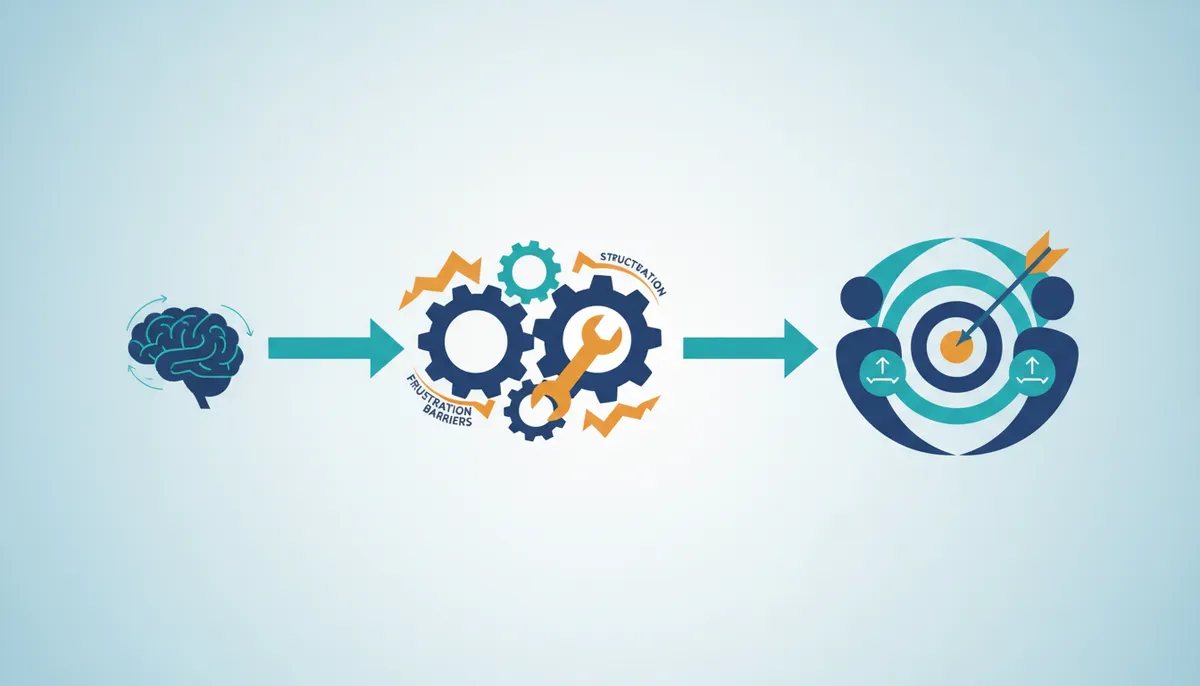
Strict boundaries rebuild trust, making Sensate Focus a clinical protocol instead of simple cuddling. Unstructured relaxation lacks the progressive staging system found here, where the method divides into phases containing up to nine distinct steps. Partners must complete and repeat steps typically a minimum of three times before advancing, establishing safety before intimacy expands. Early stages enforce explicit prohibited behaviors like genital touching and intercourse to eliminate performance pressure. This "menu restriction" separates the practice from casual touch, which operates without such regulatory scaffolding. Online adaptations report that users experience a 105% greater satisfaction with physical intimacy after just two weeks, yet the core distinction remains the removal of demand. Partners might inadvertently reinforce avoidance patterns without this structured roadmap. The therapy grants permission to proceed slowly, creating a safe container for those recovering from medical issues or emotional wounds. Stated limits provide the necessary discipline for true restoration.
Managing Emotional Reactions and Unequal Desire
Sadness, shame, or past trauma often surfaces when the physical pace slows, requiring professional processing. Suppressed memories may appear unexpectedly as the nervous system drops its guard during touch. Such emotional release signals that the body feels safe enough to process old wounds rather than indicating exercise failure. Therapy offers a necessary container to navigate these reactions without retreating into isolation.
Mismatched libido or impatience frequently arises when progress feels slow. The giving and receiving structure ensures both individuals feel safe and in control regardless of current desire levels. Explicitly rotating roles decouples touch from the expectation of sex. This separation allows the lower-desire partner to engage without fear of escalation while the higher-desire partner receives connection without pressure to perform.
Digital adaptations report that users experience greater satisfaction with physical intimacy after practicing structured modules, yet these tools cannot adapt to real-time emotional dynamics like a live therapist. A professional adjusts the pace when emotional reactions become overwhelming, unlike static apps. Guided frameworks respect this need for safety, ensuring that touch remains a bridge to connection rather than a trigger for distress. Skipping this emotional integration leads back to avoidance patterns.
Risks of Impatience and Losing Present-Moment Focus
Frustration or impatience often triggers when partners rush through stages, demanding immediate sexual results. Clients frequently ask why they cannot simply resume previous sexual habits, ignoring the need for neural rewiring. Haste bypasses the Core Sensory Triad required for success: temperature, pressure, and texture. Technical execution fails when minds wander to performance worries because attention shifts from sensation to outcome. Participants must actively redirect focus to physical qualities like warmth and surface roughness. The brain reinforces old anxiety pathways rather than building new safety maps without this discipline. Returning to goal-oriented stress nullifies the therapy's desensitization effects. Patience acts as an active technical requirement for intimacy restoration rather than passive waiting. True progress demands staying anchored in the immediate tactile experience.
About
Sofia Reyes is a certified sex educator and somatic intimacy coach at Mysteries.love, specializing in trauma-informed approaches to sexual wellness. Her expertise in somatic practices makes her uniquely qualified to explore Sensate Focus, a technique rooted in body awareness and non-verbal communication. In her daily work guiding individuals through pleasure-centered education, Reyes observes how performance anxiety often disconnects people from their physical sensations. This article bridges her professional experience with the core mission of Mysteries.love: providing evidence-based intimacy education that prioritizes connection over climax. By focusing on the neurological and psychological benefits of mindful touch, Reyes offers practical strategies that align with the platform's commitment to modern sexual health. Her guidance helps readers navigate desire discrepancies and rebuild trust without pressure. Through this lens, the complex principles of Sensate Focus become accessible tools for couples seeking deeper engagement. Reyes's background ensures that every insight provided is both clinically grounded and immediately applicable for those looking to enhance their intimate lives through structured, compassionate practice.
Conclusion
Most couples falter when transitioning from structured drills to organic integration. While digital scripts offer a baseline, they cannot replicate the nuance of a therapist who adjusts the pace when emotional reactions become overwhelming. Skipping professional guidance often leads back to avoidance patterns, where touch reverts to a source of anxiety rather than connection. True restoration demands that partners treat patience as an active technical requirement, not merely a passive waiting period. Without strictly maintaining the Core Sensory Triad of temperature, pressure, and texture, the brain reinforces old anxiety pathways instead of building new safety maps.
Couples should commit to a minimum six-week timeline before evaluating shifts in desire, resisting the urge to rush toward intercourse or orgasm. This duration allows the neural rewiring necessary to decouple touch from performance expectations. If frustration arises or if one partner feels unsafe, pause the exercises and seek a qualified professional who specializes in this modality rather than forcing progress. Start by scheduling a dedicated 15-minute session this week in a quiet environment, setting a timer to ensure the boundary remains secure. Use this single interval to focus exclusively on the physical sensation of warmth and surface roughness, deliberately redirecting any wandering thoughts back to the immediate tactile experience.
Frequently Asked Questions
Partners should practice exercises two to three times weekly to rewire behavioral patterns effectively. This frequency allows the nervous system to desensitize threat responses associated with touch and build new neural pathways for safety.
Users report a 105% greater satisfaction with physical intimacy after just two weeks of practice. This dramatic increase occurs because structured modules help quiet inhibitory brakes that block natural arousal and desire.
Not all steps are required for every couple since plans are customized to individual needs. Each phase contains up to nine distinct steps, though therapists tailor the progression based on specific comfort levels.
Yes, the method acts as a gentle desensitization process for those associating touch with threat. It helps the nervous system relearn safety by prioritizing sensory input over sexual output without pressure.
The primary goal is eliminating performance pressure by ensuring touch remains an end in itself. This approach removes the demand for orgasm, allowing natural desire to resurface without the interference of anxiety.
References