Smart sex toys: Howard Rheingold's 1991 vision now
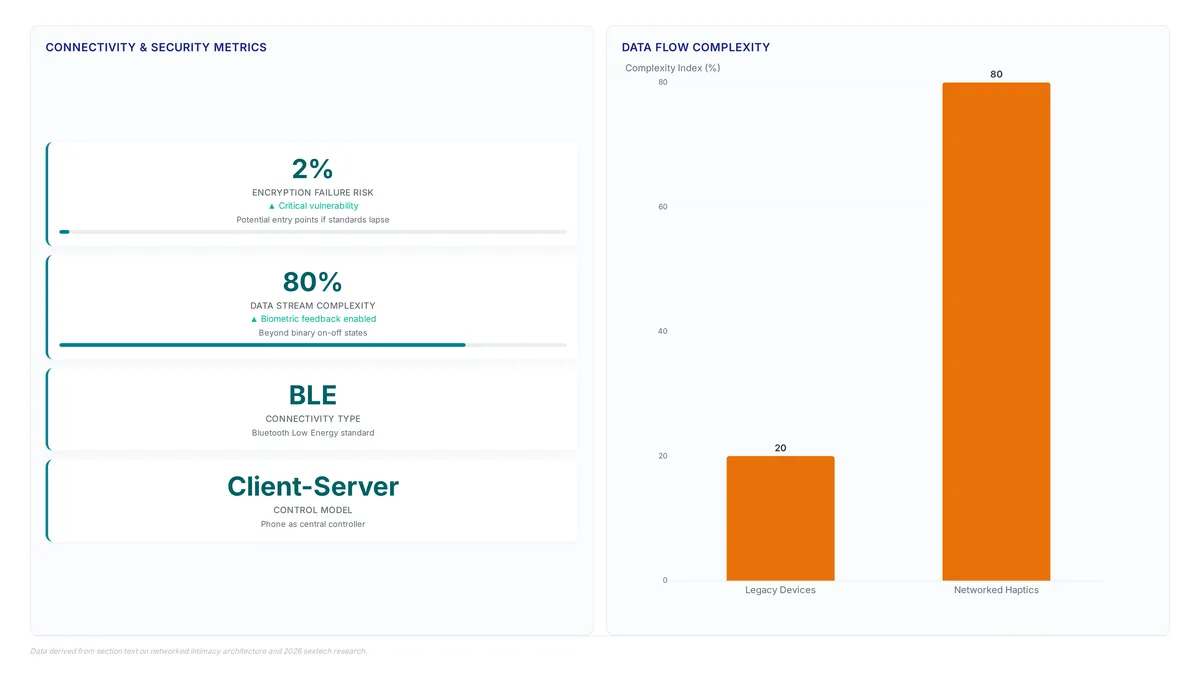
Howard Rheingold's 1991 text first set the machines that now enable real-time, long-distance physiological pleasure.

Evidence-based adult education on desire, attachment, communication, and modern intimacy practices.
Howard Rheingold's 1991 text first set the machines that now enable real-time, long-distance physiological pleasure.
With 118 million devices deployed, sexual wellness tech now prioritizes privacy and inclusive design over novelty hardware for safer care.
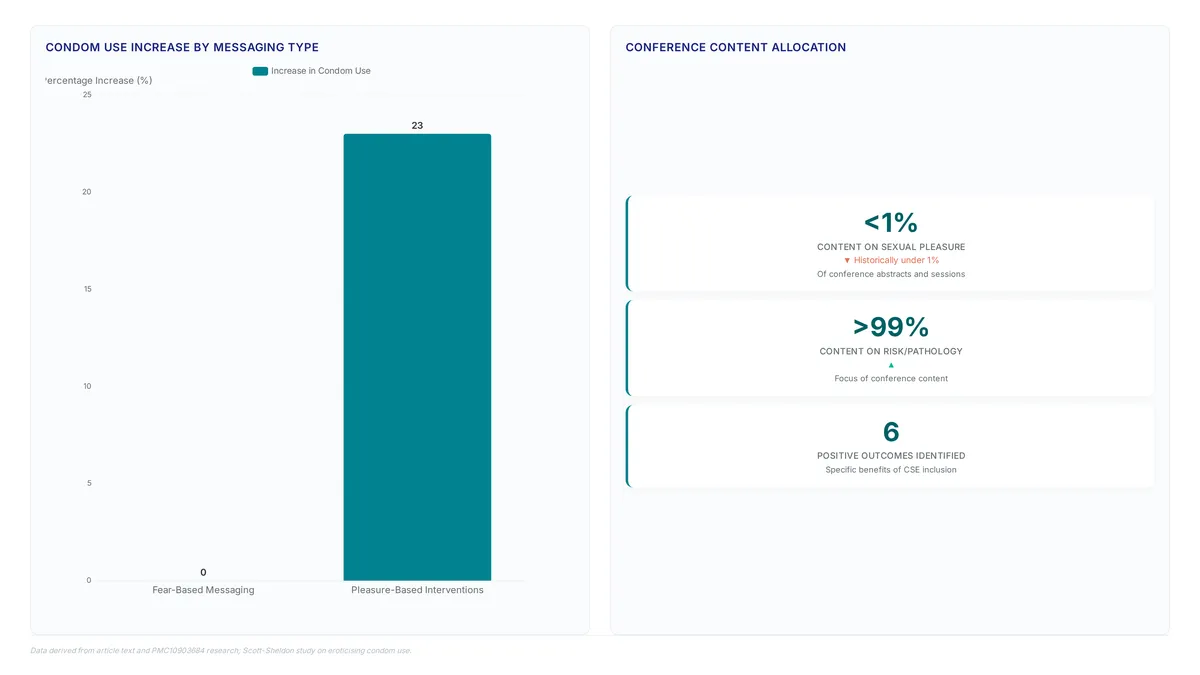
Integrating pleasure into education positively impacts six specific outcomes, moving sexual health beyond mere disease absence to true mental and social state.
Gabrielle Kassel's 10 years of expertise show sexual satisfaction relies on safety protocols and honest dialogue, not performance tricks or acrobatics.
Reviews show only 0.5% of SRH conference sessions address pleasure. This gap undermines global wellbeing by ignoring vital evidence linking joy to safer...
Regular intimacy releases oxytocin to lower stress. Learn how scheduling sex and writing down desires creates a consistent physiological reset for couples.
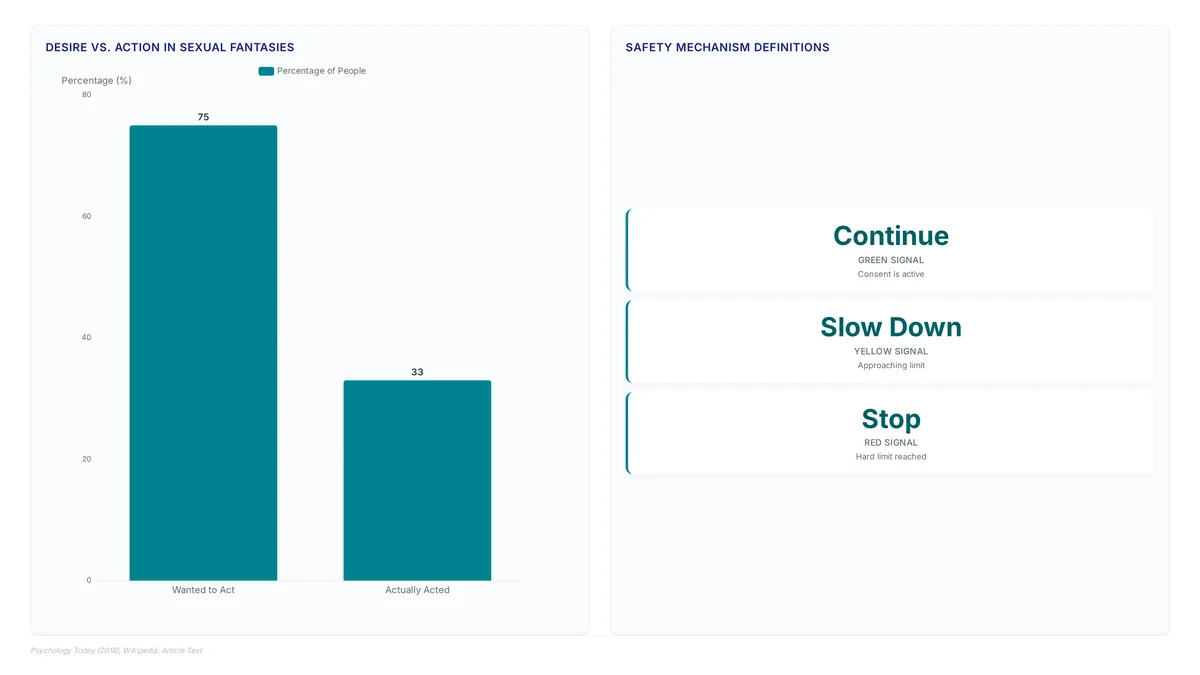
Data shows fewer than one in three people act on their biggest fantasy. Learn why imagination often stays separate from real-world desire.
A 2018 review of 64 studies shows fading desire often stems from emotional over-fusion. Mysteries.love helps partners rebuild erotic tension safely.
Learn how a 10-step sensate focus plan interrupts spectatoring, shifting the nervous system from fight-or-flight to rest-and-relax for deeper intimacy.
Explore how sextech evolved from crude vibrators into a multibillion-dollar industry shaping modern sexual wellness and long-distance intimacy today.
The $30 billion sex technology market often prioritizes data collection over genuine intimacy, creating dependency risks for users.
Allocating 85 minutes to immersive tech proves sex tech is now clinical infrastructure, moving beyond gadgets to support real relational health.