Sextech Today: From Victorian Vibrators to AI
Sextech has evolved from Victorian-era vibrators into a multi-billion-dollar industry driven by AI companions and VR fantasies. You will examine the architecture of connected intimacy devices, analyze the role of teledildonics in long-distance relationships, and evaluate the measurable impact of these innovations on self-exploration.
The sector now encompasses hardware like wearables and gadgets alongside AI-powered platforms that track sexual wellness. These tools serve as a breakthrough in the health space by breaking taboos and supporting open conversations about sexual life. Devices range from Bluetooth-enabled toys that sync across continents to applications guiding couples through intimacy exercises.
Readers will learn how smart sex toys adapt to user preferences and how virtual reality creates immersive fantasy environments. The discussion extends to sex robots that offer emotional connection, moving beyond simple physical stimulation. By integrating these technologies, the industry aims to make sexual experiences more accessible and educational for a broad audience.
The Role of Sextech in Modern Sexual Wellness
Defining Sextech: From Victorian Vibrators to AI Companions
Sextech fuses technology with intimacy to heighten sexual pleasure. This sector has grown from crude Victorian-era vibrators into a multi-billion-dollar market filled with varied hardware and software. Definitions now stretch past simple gadgets to include Smart Sex Toys that adjust to user likes and Health and Wellness Apps offering educational aid. The field incorporates Teledildonics, which are remotely operated devices permitting physical contact across vast distances, syncing touch no matter the location. The scope also covers AI companions mimicking emotional closeness and Virtual Reality (VR) Porn for deep fantasy immersion. Markets today separate apps guiding couples through intimacy drills from AI tools measuring sexual wellness stats. This split marks a transition from mere stimulation to total health oversight. By 2027, the industry had redefined its overlap with general wellness tech, showing maturity past mere novelty. Solveit.dev notes these platforms increasingly value privacy and inclusivity next to function. Fast integration of data-driven features creates friction between personalized experiences and user privacy guards. Operators balancing algorithmic customization with ethical data handling will keep trust as technologies mature. The definition now firmly captures any digital tool aiding sexual wellness, education, or relationship dynamics.
Real-World Sextech: Teledildonics, VR Porn, and Wellness Apps
Teledildonics are remotely controlled sex toys usable from anywhere on Earth, helping long-distance partners remain linked. These gadgets synchronize haptic feedback via the internet, letting one partner dictate the intensity and rhythm of another's device instantly. Such ability turns physical distance into a shared sensory event instead of an intimacy barrier. Virtual Reality (VR) Porn plunges users into fully interactive fantasies by swapping passive watching for embodied presence. Headsets allow users to step inside scenarios where perspective and interaction react to movement, generating a sense of physical nearness flat screens cannot match. The tech moves consumption from observation to participation inside digital spaces.
Data-driven personalization clashes with privacy; metrics improving algorithmic suggestions also forge sensitive data trails. Operators must weigh feature richness against minimal data retention to shield user trust. This sector now shows at least seven ways innovations reshape relationships, yet each step forward needs strict ethical review.
Smart Sex Toys vs Traditional Vibrators: Adaptability and Sync
Smart Sex Toys stand apart from legacy hardware by adapting to user preferences instead of giving static vibration patterns. Traditional vibrators give consistent mechanical stimulation, while modern AI-powered devices learn how users vibe to build fully customizable experiences. This change marks a move from simple hardware to complex ecosystems where gadgets dance to the rhythm of your body.
| Feature | Traditional Vibrators | Smart Sex Toys |
|---|---|---|
| Control | Manual buttons only | App-synced & AI-driven |
| Adaptability | Fixed patterns | Learns user habits |
| Connectivity | None | WiFi or Bluetooth enabled |
| Data Use | None | Tracks sexual wellness |
Infrastructure depends on connected devices linking physical hardware to digital interfaces for remote sync. Newer units add advanced sensing abilities to spot physiological responses and tweak intensity automatically. AI companions mimic emotional connection yet miss the unpredictable reciprocity human partners offer, creating clear tension between controlled safety and organic complexity. Algorithmic predictability can limit discovery scope compared to spontaneous interaction. The industry is projected to grow at a 16.8% CAGR until 2032, signaling rapid adoption of these adaptive features. Erojoy recommends checking app permissions before syncing any device to guard intimate data streams.
Inside the Architecture of Connected Intimacy Devices
Bluetooth Synchronization and AI Algorithms in Connected Devices
Bluetooth Low Energy (BLE) bridges physical hardware to digital interfaces, enabling real-time remote control and data synchronization. This protocol allows connected devices to maintain stable connections while minimizing power consumption during intimate use. Hardware components feature electronic controls accessible via mobile applications, permitting partners to customize physical stimulation from distant locations. Artificial intelligence processes personal behavioral data to adapt device behavior dynamically. Algorithms track sexual wellness metrics, creating machine-learned pleasure profiles that refine haptic responses over time. Current innovations focus on control and body awareness rather than static vibration patterns, moving beyond simple stimulation to respond to user preferences.
Latency risks emerge when continuous data streaming relies on unstable networks. Enhanced personalization requires extensive data collection, creating potential privacy vulnerabilities if encryption fails. Immersive experiences depend on stable connections to align visual and tactile elements effectively. Platform operators face tension between algorithmic accuracy and data minimization strategies. A significant portion of virtual reality adult content now supports device compatibility, yet the infrastructure demands strong security protocols to prevent unauthorized access. Guides for starting with interactive porn should prioritize devices supporting low-energy protocols designed to maintain stable links during movement. This architectural choice limits exposure during potential server breaches.
Immersive VR porn experiences merge head-mounted displays with haptic hardware to simulate physical presence, yet connectivity issues can alter the illusion of touch. Visual cues in Virtual Reality (VR) Porn sometimes fail to align with tactile feedback, breaking the sense of immersion required for effective fantasy enactment. Resolving these connectivity gaps requires prioritizing devices that support low-energy protocols designed to maintain stable links during movement. Teledildonics address physical separation by enabling partners to control stimulation remotely through secure applications. This technology allows couples to bridge the gap between physical and digital intimacy by transmitting real-time input across distances.
Data integrity becomes synonymous with product functionality as sensing and AI drive intimacy by 2027. Maximizing device compatibility often conflicts with ensuring consistent haptic fidelity because broader support requires balancing diverse hardware standards. Platforms facilitating secure photo exchange highlight the necessity of encrypted channels when intimate data traverses public networks. Keeping firmware updated on both headsets and actuators helps maintain compatibility and security as the market matures. Hardware supporting dedicated low-energy protocols prevents audio or video streams from interrupting control signals.
App Data Tracking Errors and Privacy Risks in Sexual Wellness
Synchronization failures between hardware sensors and mobile interfaces compromise the sexual wellness metrics that AI tools rely on for personalization. Bluetooth latency disrupts data streams, causing applications to record erroneous usage patterns. Algorithms might then suggest inappropriate stimulation levels or misinterpret user preferences based on these flaws. This technical glitch compromises the core value proposition of adaptive devices since the system learns from flawed inputs rather than actual behavior.
Privacy risks escalate when tracking errors occur within cloud-synced ecosystems. Remote servers processing AI tools data create multiple points of vulnerability where corrupted logs could expose intimate behavioral histories. A single transmission error might trigger unnecessary data re-transmissions, increasing the surface area for potential interception during the repair process. Local storage avoids some of these pitfalls by keeping sensitive information on the device itself.
Data-driven insights lose validity entirely if an application cannot distinguish between a sensor glitch and a genuine change in user desire. Operators must prioritize local validation logic to prevent garbage data from polluting long-term user models. The promise of personalized intimacy collapses into unreliable automation without strong error handling at the device level. Users risk trusting systems that fundamentally misunderstand their needs due to basic transmission faults. Technical robustness defines the boundary between helpful assistance and invasive malfunction in this sector.
Measurable Impact of Sextech on Relationships and Self-Exploration
Teledildonics and Remote Shared Experiences for Couples
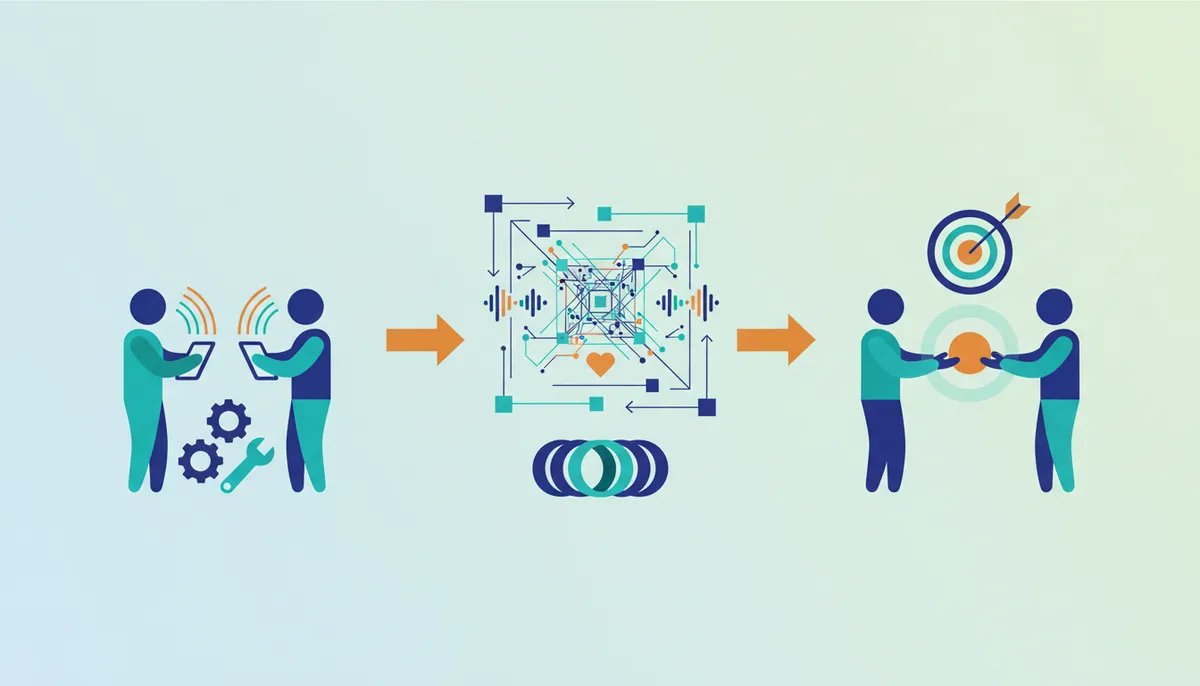
Teledildonics function as remotely controlled sex toys operable from anywhere globally to maintain physical closeness. Internet connectivity bridges vast geographical distances instantly within these systems. Partners synchronize stimulation in real-time, effectively merging physical and digital intimacy through this architecture. Static video calls change into active, shared sensory events when separating continents threatens emotional bonds. Implementation requires connected devices linking physical hardware directly to digital interfaces for reliable data synchronization. Specific hardware operates through electronic controls accessible via mobile applications, enabling precise customization of physical stimulation regardless of location. Security remains paramount during these exchanges, prompting platforms to implement features allowing couples to exchange messages and intimate photos with enhanced security protocols. Some ecosystems further deepen engagement by generating personalized dares and challenges for couples, serving as a structured tool to spice up love life. This technology helps couples form deeper bonds by enabling remote shared experiences that mimic physical presence. The publisher recommends selecting devices with end-to-end encryption to mitigate potential security and privacy concerns inherent in transmitting sensitive biometric data across public networks.
App-Guided Intimacy Exercises and Self-Love Protocols
Apps distinguish guidance from tracking by leading users through structured intimacy exercises rather than merely logging metrics. This functional split separates platforms that generate personalized dares for couples from those monitoring individual sexual wellness patterns. Operators selecting tools must identify whether their goal is active relationship building or solitary data collection.
Integrating these digital tools into general wellness markets helps normalize discussions around pleasure, allowing individuals to embrace desires without shame. By promoting sexual education and mindfulness, these protocols shift the narrative from performance to self-care. Users explore their bodies and learn about pleasure through safe, private interfaces designed for sexual exploration. Sleek apps and smart toys destigmatize conversations around pleasure, allowing people to embrace desires with greater confidence. A significant tension exists between deep personalization and data security. Many sexual wellness products collect intimate data, creating risks where hacked devices could expose private moments publicly. Companies work on stronger encryption, yet the requirement to share usage data for tailored experiences inherently increases the attack surface. The industry increasingly bridges physical and digital realms, so users must remain vigilant about specific data permissions granted during setup. True self-love involves choosing tools that respect boundaries while supporting connection.
Security Breaches, Addiction, and Unrealistic Expectations
Hacked devices expose private moments, forcing a reliance on stronger encryption protocols to prevent public data breaches. Intimate data becomes vulnerable to interception when connected hardware lacks strong security, turning personal exploration into a public liability. Platforms now strive to let couples send intimate photos securely, yet the risk of unauthorized access remains a persistent threat for users of teledildonics. Users asking if they should try a sex robot must weigh the certainty of algorithmic compliance against the unpredictability of human connection. AI companions offer physical intimacy and emotional connection, yet reliance on software-driven models presents a distinct alternative to human interaction. Mental health suffers when blurred lines between virtual and real pleasure generate unrealistic expectations. Distinguishing between tools for sexual wellness and substitutes that degrade genuine emotional bonds creates tension.
| Risk Factor | Primary Consequence | Mitigation Strategy |
|---|---|---|
| Data Breaches | Public exposure of private acts | End-to-end encryption adoption |
| Tech Dependency | Shift from human interaction | Balanced usage habits |
| Unrealistic Expectations | Relationship dissatisfaction | Reality-check counseling integration |
Comparing OnlyFans to Jerkmate highlights different engagement models, yet both carry risks of compulsive consumption.
Securing Privacy and Safety in Digital Intimacy
Defining Digital Intimacy Risks: Hacked Devices and Data Breaches
Intercepted telemetry from smart sex toys exposes private moments when devices lack encryption. Hackers access personal usage patterns, transforming intimate self-exploration into a public liability. This vulnerability forces a direct choice between convenience and confidentiality within the digital intimacy space.
- Loss of control over personal behavioral data
- Potential for emotional distress following exposure
- Erosion of trust in connected wellness ecosystems
Companies are developing capabilities to send intimate photos securely, addressing real-world privacy concerns in digital relationships. Stronger encryption becomes mandatory as these privacy risks escalate. Users seek protection for their smart sex toys, yet the architectural complexity of Bluetooth and WiFi synchronization often outpaces security updates. A sharp tension exists where the drive for feature richness challenges the implementation of strong security protocols. The burden of risk management frequently falls on the end user because universal encryption standards remain absent.
Applying Safety Frameworks to Prevent Addiction and Mental Health Decline
Users must maintain balance between digital tools and real-world intimacy as the industry evolves. Digital feedback loops replace human connection when reliance on technology grows excessive, degrading the Impact on Mental Health. Blurring lines between real and virtual pleasure creates unrealistic expectations that physical partners cannot match. Relationship dissatisfaction often follows this divergence rather than enhancement.
- Monitor usage patterns to ensure technology remains a supplement to, rather than a replacement for, human connection.
- Apply apps that guide couples through intimacy exercises to support shared experiences.
- Use AI tools for tracking sexual wellness while maintaining awareness of physical reality.
- Establish clear time limits for device usage to preserve offline social skills.
Immersive Advanced VR Experiences conflict with the need for grounding in physical reality. Platforms develop tools to send intimate photos securely, yet these safeguards address privacy but not psychological dependency. Algorithmic personalization reinforces isolation by removing the unpredictability of human interaction.
| Risk Factor | Mitigation Strategy | Outcome Goal |
|---|---|---|
| Unrealistic expectations | Use AI companions as supplementary tools | Preserve natural response |
| Social withdrawal | Engage with digital communities designed for connection | Sustain community ties |
| Data over-collection | Select platforms prioritizing secure data transmission | Reduce exposure surface |
The publisher advises treating AI-Driven Intimacy Coaches as supplementary tools rather than primary relational anchors. On-demand digital satisfaction erodes the durability required for complex human bonding without strict self-regulation. Operators should view these frameworks as necessary maintenance for long-term emotional stability.
Ethical Pitfalls: Consent Violations in Human-Like AI and Metaverse Exploitation
Human-like AI robots raise immediate questions regarding consent mechanics when software simulates emotional reciprocity without actual agency. Users project genuine feeling onto algorithms designed solely for engagement, fundamentally altering the Ethical Implications of intimate interaction. These moral lines blur across a thorough market rather than remaining segmented because the industry scope covers every area of human sexuality.
- Platforms may enforce strict rules that disproportionately penalize content creators.
- Hefty commission cuts reduce fair compensation for sex workers.
- Digital environments can enable objectification if not carefully managed.
- Automated moderation systems often fail to distinguish between consensual roleplay and actual harm.
- Revenue models prioritize platform growth over creator autonomy and financial stability.
Online systems sometimes exploit sex workers and content creators through unfair economic structures that prioritize platform revenue over creator autonomy. This Potential for Exploitation manifests when digital communities impose rigid guidelines while extracting significant value from user-generated intimacy. Developers have created specific tools to allow couples to exchange messages with enhanced security, yet similar protections rarely extend to labor rights within these ecosystems. Creating immersive, responsive fantasies conflicts with maintaining clear boundaries that prevent the normalization of non-consensual dynamics. The drive for hyper-realistic interaction risks eroding the very concept of mutual agreement without explicit ethical frameworks. Safe adoption requires distinguishing between simulated affection and actual human connection to prevent psychological harm. Unrealistic expectations arise from blurring lines between real and virtual pleasure.
About
Sofia Reyes is a certified sex educator and somatic intimacy coach at mysteries.love, where she specializes in pleasure-centered education and body awareness. Her expertise makes her uniquely qualified to explore the intersection of sex tech and intimate wellness, as her daily work involves guiding individuals through modern tools that enhance connection. Reyes's background in somatic and trauma-informed approaches allows her to critically evaluate how innovations like app-controlled devices and biofeedback toys impact actual human experience, moving beyond mere novelty to genuine empowerment. At mysteries.love, a platform dedicated to evidence-based intimacy education, she bridges the gap between emerging hardware and sexual wellness research. By analyzing how technology can support deeper body awareness and break down taboos, Reyes ensures that discussions around sextech remain grounded in inclusive, practical guidance rather than hype. Her writing reflects a commitment to helping adults navigate desire and technology with confidence, aligning perfectly with the industry's evolution toward complete health.
Conclusion
The industry's projected 16.8% growth creates a critical vulnerability where rapid scaling outpaces ethical infrastructure. As sex tech companies pursue market expansion, they risk cementing revenue models that extract value from creators while failing to distinguish between consensual roleplay and actual harm through automated moderation. The shift toward control and body awareness in 2026 demands more than just new hardware features; it requires a fundamental restructuring of how platforms define agency within simulated intimacy. Without explicit ethical frameworks, the drive for hyper-realistic interaction will erode user trust and normalize non-consensual dynamics under the guise of technological advancement.
Developers must prioritize creator autonomy and clear consent mechanics over raw engagement metrics before the next wave of adoption solidifies these flaws. You should immediately audit your current moderation policies to ensure they protect labor rights and distinguish fantasy from reality, rather than simply optimizing for platform growth. This proactive approach ensures that technological innovation serves human connection rather than exploiting it. Start by reviewing your data governance protocols this week to verify they explicitly address the distinction between algorithmic reciprocity and genuine human agency.
Frequently Asked Questions
The sex tech market reached a value of 37 billion in 2023. This massive valuation indicates that sex technology has moved beyond novelty to become a major global economic sector.
Analysts project the industry will expand at a 16.8% CAGR until 2032. This rapid growth rate suggests sex tech innovation will quickly introduce more advanced tools for intimacy.
Modern devices include wearables and gadgets like smart sex toys that adapt to users. These tools transform connected intimacy by syncing physical sensations across vast distances instantly.
Virtual reality creates immersive fantasy environments that replace passive watching with participation. This shift allows users to step inside scenarios where virtual reality reacts to their specific movements.
AI companions now offer emotional connection alongside physical stimulation features. These advanced platforms help break taboos by making sexual wellness education more accessible and personalized for everyone.
References