Sensate focus exercises: The six-stage protocol for real
Sexual therapists report a high effectiveness rate for Sensate Focus exercises in relieving various sexual dysfunctions. This structured approach serves as the definitive method for couples seeking to bypass performance anxiety and rebuild genuine physical connection without the pressure of immediate intercourse. The technique relies on a strict separation of therapeutic touch from habitual sexual routines to ensure psychological safety and sensory awareness.
The process demands adherence to specific preparation guidelines that many couples overlook at their peril. Partners must prioritize getting plenty of rest and eating lightly to prevent physical discomfort or drowsiness from undermining the session. Nitasha Strait emphasizes that participants should reschedule if relationship tensions are high, ensuring the environment fosters respect rather than conflict. Successful execution also requires allocating sufficient time to switch roles between giver and receiver within a single sitting.
Readers will learn how to implement the six-stage protocol for progressive sensory exploration while avoiding common pitfalls like mixing these drills with normal sexual activities. The article details how to apply creative tools such as feathers or music to enhance sensory input without predefined goals. Finally, we will cover the critical post-session discussion required to process experiences and refine communication strategies for future intimacy.
The Therapeutic Role of Sensate Focus in Rebuilding Intimacy
Sensate Focus Origins and the Non-Goal-Oriented Protocol
Masters and Johnson created Sensate Focus during the 1960s as a structured method to redirect partner attention from performance results to immediate sensory input. This protocol explicitly bans intercourse and genital touching in early phases to lower performance anxiety, standing in direct opposition to traditional interactions centered on penetration. Couples move through set stages of physical contact without any expectation of sexual completion. Therapists observe high success rates for this technique when treating various sexual dysfunctions because it disrupts ingrained, goal-oriented patterns. Temperature, texture, and pressure form the three specific sensory aspects targeted during touch. Removing demands for arousal or orgasm generates a safe environment where anxiety struggles to survive. Strict adherence presents the only real constraint. Mixing these exercises with normal sexual activities or abandoning the non-goal orientation reintroduces the very performance pressure the protocol seeks to eliminate. Successful deployment requires treating exercise time as distinct from usual intimate encounters to preserve therapeutic boundaries.
Executing the Giver and Receiver Touch Stages
Strict separation of structured giver and receiver roles from normal sexual activity maintains therapeutic integrity. One person starts as the giver or toucher while the other acts as the receiver, then partners switch roles. Early stages forbid touching breasts or genitals to prevent escalation into intercourse, keeping focus on non-sexual sensuality. Couples performing exercises in the morning may engage in other sexual activities later, yet they must not mix the exercises with normal sexual activities during the session itself. Organizations increasingly recognize this disciplined approach as an effective intervention for sexual dysfunction in cancer survivors. The separation of roles creates a safety mechanism where the receiver focuses solely on temperature, pressure, and texture without the burden of performance. Adhering to the rule against mixing exercises with normal sexual activities ensures the non-goal-oriented nature of the therapy remains intact. This structural constraint allows anxiety to diminish while supporting a deeper emotional bond through disciplined sensory exploration.
Validating the Eight-Week Mindfulness and Couple Exercise Schedule
Distinguishing individual mindfulness work from shared physical practice helps couples validate the protocol timeline. Modern adaptations structure this intervention over an eight-week period, reserving weeks one through five for solitary mindfulness exercises that cultivate internal awareness before partner interaction begins. This separation ensures that Building Trust and Safety occurs without the pressure of immediate reciprocal touch, creating a structured environment necessary for trauma-informed care.
| Phase | Duration | Focus Area |
|---|---|---|
| Individual Mindfulness | Weeks 1, 5 | Internal sensory awareness |
| Couple Exercises | Weeks 6, 8 | Mutual tactile connection |
Transitioning to couple-based exercises in the final three weeks allows partners to apply developed presence to shared Sensate Focus exercises. Digital delivery models now offer a lower-cost alternative to traditional therapy by automating guidance components for remote participants. Specific multidisciplinary studies identified the amount of Sensate Focus practice during the last week of treatment as the strongest predictor of successful behavioral treatment for sexual dysfunction. Experts describe the recommended frequency for performing the exercises as "a few times a week," allowing for gradual progression through the stages.
The Six-Stage Protocol for Progressive Sensory Exploration
Defining the Six Sensate Focus Stages and Prohibited Actions
Step 1 restricts physical exploration to the partner's head from the shoulders up for a dedicated 30 minutes. This initial boundary creates a safety container where couples focus exclusively on temperature, pressure, and texture without the distraction of sexual expectation. Partners maintain eye contact and minimal speech to heighten non-verbal awareness while strictly avoiding the lower neck.
| Stage | Allowed Zones | Prohibited Actions |
|---|---|---|
| Step 1 | Head and face only | Touching below lower neck |
| Step 2 | Full body excluding genitals/breasts | Oral sex, intercourse, breast touch |
| Step 3 | Genitals and breasts included | Tongue use, manual genital manipulation |
Progression to Step 2 expands the permitted surface area to the entire body while maintaining a strict ban on genital and breast contact. Step 3 introduces erogenous zones but enforces a specific technical constraint: partners cannot use their tongue or replicate actions resembling oral or manual genital manipulation. This limitation forces attention toward sensation rather than stimulation efficiency. The operational cost of this rigid structure is time, as couples must complete multiple sessions over several weeks before advancing.
Applying Props and Hand Riding Techniques for Nonverbal Communication
Step 3 requires at least 45 minutes of exploration using props like feathers, leather items, or a soft blanket. This extended duration allows couples to fully immerse in the sensory experience without rushing toward a sexual goal. The introduction of erogenous zones during this stage marks a significant shift from previous steps, yet strict prohibitions remain against oral replication or manual genital manipulation.
Nonverbal guidance becomes necessary when verbal communication might alter the meditative flow of touch. By placing one hand on top of a partner's hand, the receiver demonstrates desired pressure and location without speaking. This hand riding technique provides immediate, tactile feedback that allows the toucher to adjust pace and intensity dynamically. Participants use this specific physical method to guide the toucher regarding temperature, texture, and pressure preferences silently.
| Component | Function |
|---|---|
| Props | Introduce varied textures to heighten sensory awareness |
| Hand Riding | Enables silent correction of pressure and location |
| Role Switching | Ensures both partners experience giving and receiving |
The reliance on silent guidance creates a tension between the desire for precise instruction and the goal of maintaining a non-analytical state. If a receiver constantly corrects their partner verbally, the interaction reverts to performance-based sex rather than sensory exploration. Conversely, total silence without a feedback mechanism like hand riding can lead to discomfort or disengagement if the touch becomes unpleasant. The protocol resolves this by designating specific physical channels for feedback that do not require breaking the sensory focus. This structured approach ensures that nonverbal communication remains clear without reintroducing the pressure of verbal performance evaluation.
Checklist for Mutual Touching Positions and Intercourse Progression
Couples should try 2-3 positions like side spoon or doggy for about 15 minutes each to validate comfort before advancing. This specific duration prevents fatigue while allowing sufficient time to assess emotional safety during mutual touch.
| Validation Criteria | Required Action |
|---|---|
| Position Stability | Maintain chosen posture for full duration |
| Emotional Regulation | Pause immediately upon performance anxiety |
| Consent Check | Confirm mutual readiness verbally |
Unlike earlier stages focusing on individual sensation, this phase tests dyadic regulation under increased stimulation. A critical limitation exists: rushing this checklist often re-introduces the very performance pressure the protocol aims to eliminate.
- Verify nakedness feels safe for both individuals without expectation.
- Attempt specific positions for the allotted time window.
The cost of skipping verification is a potential return to avoidance behaviors or heightened relationship tension. Operators of this protocol must prioritize process fidelity over sexual completion to achieve lasting intimacy improvements.
Executing Sensate Focus Exercises Through Structured Implementation
Defining Step 1 Head Exploration and Emotional Safety Protocols
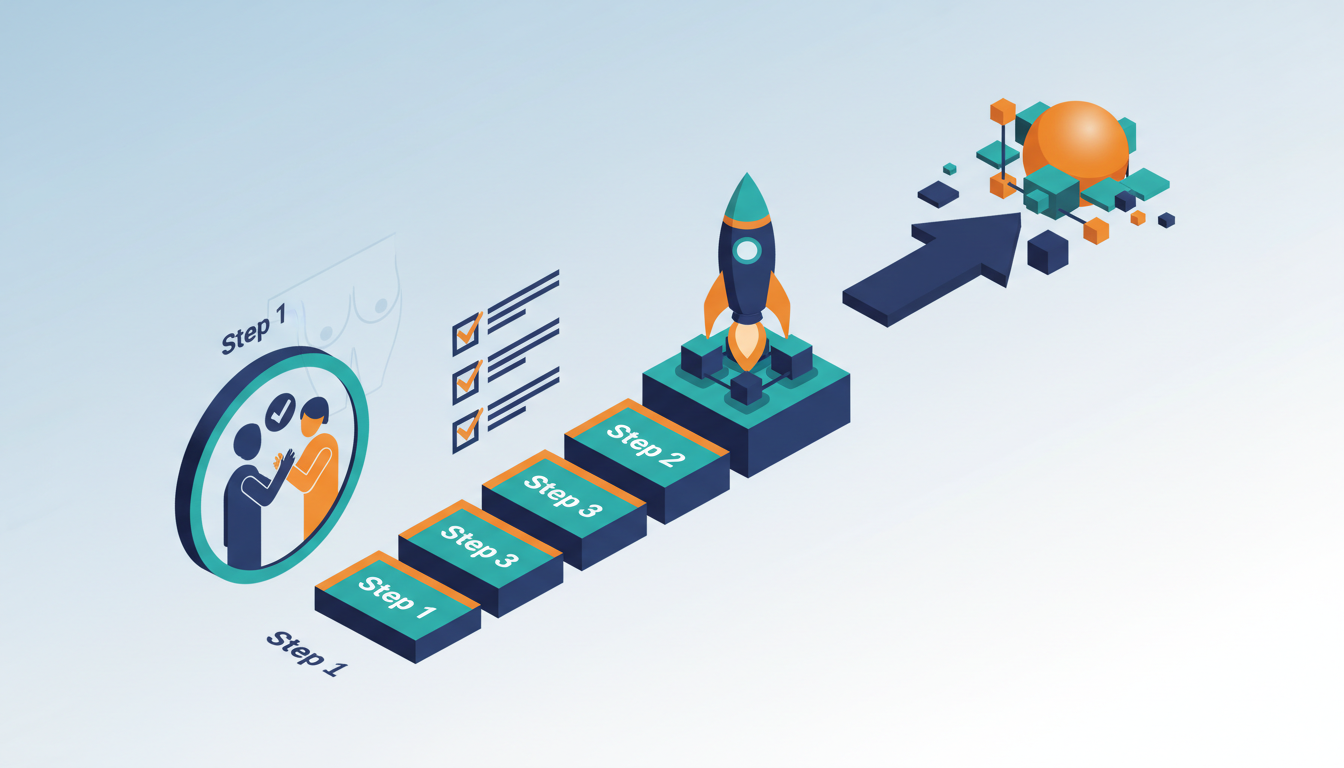
Initial exercises in the protocol typically last for a duration of approximately 30 minutes per session, strictly limiting tactile exploration to the head and shoulders. This spatial constraint establishes a safety container where partners avoid genital zones to eliminate performance pressure. Participants should dress according to mutual comfort, ensuring the interaction remains distinct from habitual sexual scripts. The primary mechanism involves the giver observing texture and temperature while the receiver practices remaining present with whatever sensations arise.
- Maintain eye contact whenever possible to reinforce non-verbal connection.
- Allow spontaneous laughter or tears without attempting to suppress these natural emotional releases.
- Focus on the sensory input without any distractions or predefined goals.
Restricting touch to the upper body allows couples to explore intimacy without the expectation of sexual performance. This limitation encourages partners to focus on physical sensations, promoting mindfulness and presence in intimate moments. Partners are encouraged to let themselves laugh or cry and give in to any emotions that you have, provided the moment remains safe for both individuals.
The structural rigidity of this phase ensures that trust is built through adherence to limits rather than through physical gratification. By enforcing a hard boundary at the lower neck, the exercise decouples touch from the expectation of sex, allowing neural pathways associated with safety to rebuild before introducing more vulnerable exposure.
Implementing Rest and Dietary Guidelines for Optimal Touch Sessions
Partners must prioritize getting plenty of rest to prevent unintended sleep from interrupting the structured protocol. Fatigue directly compromises the sensory awareness required for effective therapeutic engagement, turning a mindfulness exercise into a nap.
- Eating Lightly: Participants should consume minimal food beforehand to avoid the physical distraction of an over-full belly. Discomfort from heavy digestion competes with the neural processing of touch, reducing the efficacy of the session.
- Allocating Time: Couples need sufficient uninterrupted duration to switch roles within a single sitting. Rushing prevents the deep emotional safety necessary for vulnerability.
- Rescheduling if Necessary: Partners should postpone the exercise if interpersonal conflict or emotional distance exists. Performing these acts without mutual respect undermines the core trust required for intimacy recovery.
Physical comfort directly impacts the ability to rebuild connection. If the body is struggling with digestion or exhaustion, the mind cannot fully engage in the non-demand touching necessary for healing. This logistical preparation is not merely administrative; it is the physiological prerequisite for successful psychological exploration.
Checklist for Rescheduling Based on Relationship Conflict and Connection
Postpone scheduled sessions immediately if partners feel distant or face unresolved conflict. Sensate focus exercises require a foundation of respect and connection to function therapeutically rather than creating further emotional strain. Attempting tactile exploration during interpersonal discord often reinforces defensive barriers instead of building the intended intimacy.
- Ensure both partners are well-rested and can stay awake throughout the session.
- Resolve whatever issues may be present that serve as barriers to connection before starting.
- Reschedule the session if either partner feels unsafe or disconnected.
Therapeutic progress relies on an environment of respect and connection, making timing more critical than the duration of touch. Couples should prioritize resolving relational friction before attempting structured intimacy protocols.
Professionals note that skipping this evaluation risks transforming a healing exercise into a source of further trauma. The eight-week period often cited for modern adaptations structures the intervention to allow for gradual progression.
Managing Emotional Barriers and Physical Distractions During Practice
Defining Emotional Discomfort and the Non-Goal-Oriented Shift
Emotional friction surfaces when ingrained performance expectations collide with the required non-goal-oriented mindset. Partners often unconsciously hunt for sexual outcomes instead of engaging in pure sensory exploration. The technique explicitly forbids intercourse and genital touching in early stages to reduce performance anxiety, creating a deliberate conflict with traditional sexual scripts that prioritize penetration or orgasm. Shifting focus from achievement to immediate physical sensation allows couples to bypass the psychological pressure that frequently inhibits intimacy. Success depends on dismantling the anxiety loop by prioritizing sensation over performance. Some providers describe this emotional labor as a significant psychological investment where partners must actively release judgments.
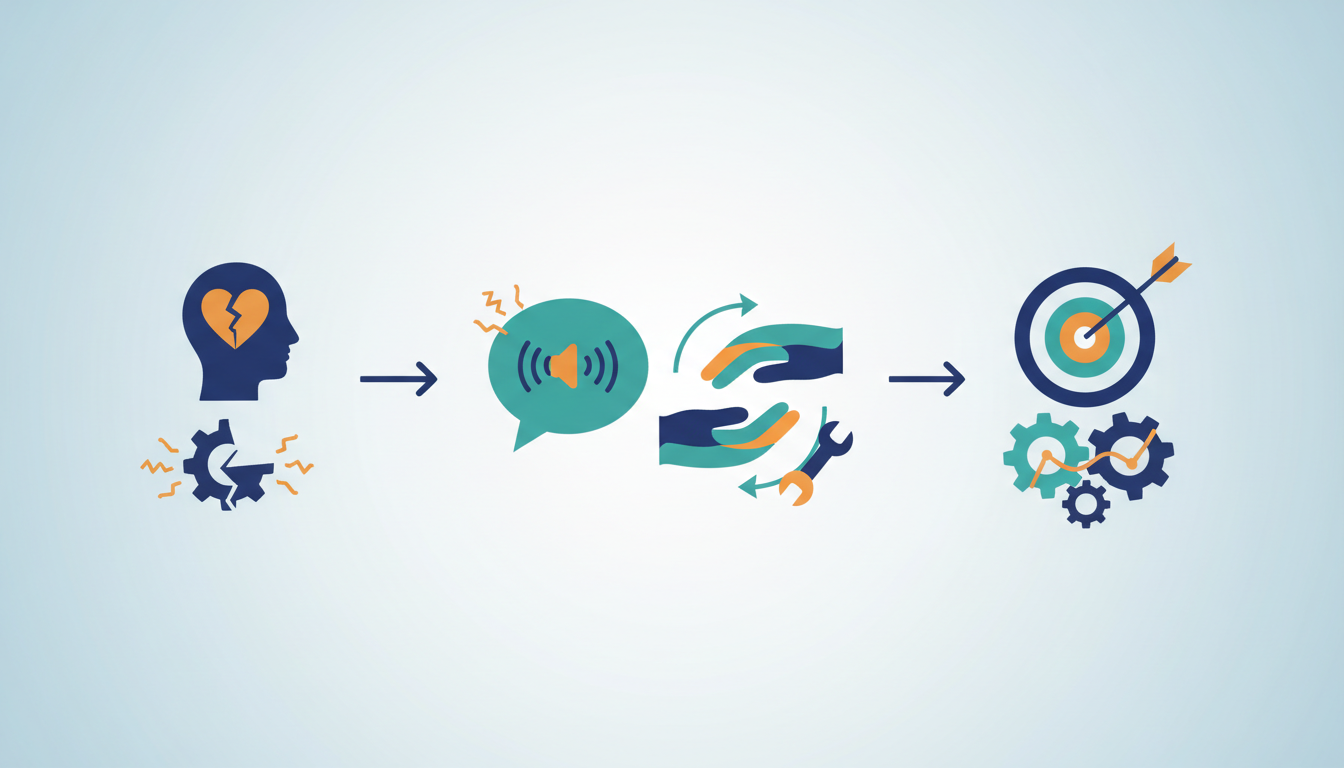
Resistance emerges when couples mistake the absence of sexual goals for a lack of progress. This hesitation can stall the therapeutic process if the pair fails to recognize that reduced anxiety is itself a measurable outcome. The publisher recommends viewing this discomfort not as failure but as evidence of the mind rewiring its approach to connection. Physical exercises remain superficial without this cognitive shift, failing to address underlying relational barriers. True intimacy requires surrendering the need for a specific result to fully experience the present moment.
Troubleshooting Sleepiness Through Rest and Light Dietary Choices
Falling asleep during practice indicates a failure to manage physiological readiness rather than a lack of interest. Fatigue directly inhibits the sensory awareness required to distinguish subtle tactile inputs, rendering the therapeutic protocol ineffective. Partners must prioritize being well-rested to maintain the alertness necessary for mindful connection. If sleep occurs despite these precautions, the session requires immediate rescheduling to a time when both individuals are fully alert. This approach ensures that allocated time serves its intended purpose of rebuilding intimacy rather than functioning as a nap opportunity.
Dietary choices notably influence physical comfort and mental clarity during close contact. Consuming a heavy meal prior to practice often leads to an over-full belly that creates tangible physical discomfort and distracts from the partner's touch. Digestion competes with the nervous system resources needed for processing sensation, thereby diminishing the quality of the interaction. Eating lightly helps avoid this discomfort, supporting comfort and growth with a partner.
A tension exists between the desire for relaxation and the need for alertness. While the environment should be calm, participants must remain actively engaged. Unlike standard rest periods where closing one's eyes is beneficial, this specific therapeutic work demands wakeful participation to enable genuine connection. The publisher advises that true relaxation in this context is an active, attentive state, not a passive descent into sleep.
Risk Assessment of Unresolved Conflict and Disconnected Timing
Active conflict directly undermines the baseline of respect and connection the protocol demands. Explicitly advises rescheduling if partners feel distant, aren't getting along, or harbor unresolved issues, noting that Sensate Focus exercises should be performed in a time of respect and connection. Emotional labor increases notably when individuals must suppress judgment to participate, a psychological cost that can exacerbate existing tension instead of relieving it.
Research into post-honeymoon distress illustrates how feeling rushed by a partner creates anxiety that tactile exploration cannot fix. The non-goal-oriented nature of the practice requires participants to let go of expectations, which is impossible when defensiveness dominates the interaction. Building Trust and Safety is fostered by creating a structured, pressure-free environment where partners can explore without the expectation of sexual performance.
About
Sofia Reyes is a certified sex educator and somatic intimacy coach at mysteries.love, where she specializes in body awareness and pleasure-centered learning. Her specific expertise in somatic and trauma-informed approaches makes her uniquely qualified to guide readers through sensate focus exercises. These techniques rely heavily on non-judgmental presence and physical grounding, which are central pillars of her daily coaching practice. By bridging theoretical relationship psychology with hands-on body awareness, Sofia translates complex therapeutic concepts into accessible, actionable steps for couples. At mysteries.love, a platform dedicated to evidence-based intimacy education, she ensures that discussions around desire and connection remain inclusive and practical. Her work directly supports the article's thesis by offering a structured, safe framework for partners to rebuild trust and enhance physical communication without pressure. Through her writing, Sofia empowers adults to navigate intimacy challenges with confidence and clarity, supporting deeper emotional and physical bonds.
Conclusion
Sensate focus exercises fail at scale when couples treat the protocol as a mechanical checklist rather than a flexible negotiation of safety. The operational cost of ignoring emotional dissonance is high; attempting tactile exploration while harboring unresolved conflict converts a therapeutic tool into a source of deeper alienation. You must recognize that wakeful participation cannot coexist with defensiveness, regardless of how strictly you follow timing rules or dietary restrictions. The structure exists to support connection, not to force it amidst tension.
Commit to a strict precondition: do not initiate any stage of this work if active resentment or distance dominates your flexible. Rescheduling is not a failure but a necessary safeguard for the integrity of the practice. If you proceed while emotionally disconnected, you risk cementing anxiety rather than building the intended trust. The timeline for success depends entirely on mutual emotional availability, not just clock adherence.
Start by having an explicit conversation this week to verify that both partners feel a baseline of respect and safety before attempting any touch. Only proceed with the first 30-minute session if this verbal confirmation is clear and mutual. This deliberate pause ensures that the primary purpose to enhance intimacy remains achievable without the interference of unaddressed conflict.
Frequently Asked Questions
Therapists report an 83% effectiveness rate for relieving various sexual dysfunctions using this method. This high success rate means most couples can expect significant relief from performance anxiety when strictly following the non-goal protocol.
Couples doing exercises in the morning may enjoy other sexual activities later in the day. However, you must never mix these specific drills with your normal sexual activities during the actual session to preserve therapeutic boundaries.
Partners must get plenty of rest and eat lightly to prevent drowsiness or discomfort.
You should reschedule the session if you feel distant or have unresolved issues with your partner.
Creative tools like feathers, music, or candles help partners focus on texture and atmosphere.
References