Sensate Focus: Drop Performance Pressure by Week 12
Sensate focus replaces performance pressure with mindful touch through structured phases that begin in Week 1-2 according to Stanford Medicine protocols. You will learn how this method decreases performance anxiety, builds emotional safety through open communication, and reframes physical interaction as a valid destination rather than a precursor.
Developed by Masters & Johnson in 1970, the practice consists of specific activities designed to attune partners to their own bodies and each other without the demand for sexual performance. Research by Gambescia, Weeks, & Hertlein in 2021 confirms these exercises increase sexual desire and improve communication by removing the anxiety that often plagues romantic encounters. Unlike unstructured romantic interaction, these protocols require partners to honor boundaries while focusing entirely on present-moment pleasure.
The approach remains adaptable for all genders, sexual orientations, and physical abilities as noted by Linschoten et al. in 2016. By shifting the objective from achieving intercourse to simply experiencing connection, couples can rebuild trust and reduce the mental distractions that interfere with natural responses.
The Role of Sensate Focus in Modern Sexual Wellness
Sensate Focus Definition and Masters Johnson Origins
Sensate focus consists of a series of structured activities that deepen intimacy by replacing sexual pressure with mindful attention to physical sensations. Masters and Johnson developed this protocol to define emotional safety through a reduction in anxiety achieved by removing the expectation of intercourse or orgasm. Couples apply these structured activities to attune to physical sensations, effectively decoupling touch from the demand for sexual response. The method requires strict adherence to non-goal-oriented interaction, which many couples find counterintuitive after years of conditioning. Reverting to performance metrics can undermine the therapeutic benefit. Unlike unstructured romantic interaction, this approach demands a deliberate suspension of outcome-based thinking to rebuild sexual mindfulness. Operators of this practice must recognize that the absence of a set endpoint is the mechanism of action, not a failure of progress. Partners seeking to implement this evidence-based framework with professional guidance may consult Mysteries.love for curated educational resources designed to enable this transition from performance to presence. Clinical reliance on this methodology shows its unique capacity to restore connection through disciplined, non-demanding touch.
Applying Sexual Mindfulness to Reduce Performance Anxiety
Sexual mindfulness functions as a cognitive redirect, shifting attention from intrusive worries to immediate sensory input. Many individuals experience anxieties that remove them from the moment and interfere with natural sexual responses. When distractions arise, individuals can accept them as normal and gently redirect their focus to the pleasure they are presently experiencing with their partner. This specific redirection promotes enjoyment and healthy sexual functioning by breaking the cycle of anticipation. Success in this protocol relies on the reduction of sexual performance anxiety rather than a numerical score. Clinical observations indicate that couples use the technique to successfully shift away from ingrained, goal-oriented sexual patterns that cause distress. By replacing these patterns with non-judgmental sensory exploration, partners decrease performance anxiety and build trust. Tension often exists between the desire for immediate intimacy and the requirement for sustained attentional discipline. Rushing this process can reinforce the pressure the exercise aims to eliminate. Consequently, the practice demands patience, as the benefits of attuning to one's own body and a partner's body emerge through consistent, pressure-free repetition. Mysteries.love supports this educational approach by providing resources that prioritize evidence-based intimacy education over quick fixes.
Traditional Dysfunction Treatment vs Modern Mindful Approach
Sensate focus originated as a clinical intervention for sexual dysfunction but now serves as a broader framework for rebuilding intimacy across diverse relationship structures. The original protocol targeted desire, arousal, and orgasmic disorders, whereas contemporary applications prioritize a mindful approach to touch to counteract pervasive goal-oriented patterns. This evolution reflects a strategic shift from fixing broken mechanics to cultivating sustained connection regardless of diagnosis.
Recent literature and applications, such as those noted in 2022, highlight an expansion of the methodology to diverse demographics, including specific utility in various couple configurations. The core mechanism of removing performance pressure remains highly effective, yet the modern interpretation explicitly decouples the practice from medical pathology. Retaining the structured nature of the original protocol supports therapeutic goals, while flexibility allows inclusion of non-traditional relationship configurations that earlier models did not address. Operators must balance fidelity to the phased architecture with the specific cultural needs of the participants. Couples seeking structured guidance through this evolution can find tailored resources at Mysteries.love that honor both the historical rigor and modern inclusivity of the practice.
Inside the Phased Architecture of Mindful Touch
The Three Stages of Sensate Focus Touch
Sensate focus operates through three distinct phases: nonsexual touch, sexual touch, and sexual intercourse, with each stage building upon the previous one to replace performance anxiety with mindful connection. This chronological progression moves partners from early stages of non-sexual touch to later stages of sensual exploration as the couple advances. The methodology relies on a "structured touching" protocol rather than unstructured romantic interaction to specifically reduce negativity associated with sexual intimacy. Sensate focus exercises are structured to progress through specific timeframes, with initial phases often assigned as 'Week 1-2' in therapeutic protocols.
- Nonsexual Touch: Partners begin with gentle massage, focusing on temperature and texture without arousing intent.
- Intercourse: Final integration occurs when anxiety is reduced, redefining the act as "sensual intercourse" rather than a performance goal.
| Stage | Primary Focus | Excluded Goal |
|---|---|---|
| Nonsexual | Sensory awareness | Arousal |
| Sexual | Mindful exploration | Orgasm |
| Intercourse | Mutual connection | Performance |
By adhering to this phased architecture, couples shift from outcome-based metrics to present-moment awareness. For guided tools that support this process toward deeper intimacy, explore the curated resources at Mysteries.love.
Creating the Context for Mindful Touch Sessions
Selecting a stress-free time and an interruption-free location enables a mindful approach to touch. This structured preparation distinguishes the practice from unstructured romantic interaction by intentionally reducing negativity associated with sexual intimacy. Partners should choose a time when they can feel relatively stress-free and a place as free from interruptions as possible.
The protocol for providing touch involves taking turns, with many beginning with short durations each. The giver offers contact that feels interesting and pleasant, while the receiver directs placement and pressure to ensure the experience remains relatively free from anxiety. This exchange builds the emotional safety necessary for deeper connection without demanding arousal as an immediate outcome.
| Factor | Requirement | Purpose |
|---|---|---|
| Timing | Stress-free window | Minimizes external distraction |
| Environment | Quiet, comfortable temp | Supports sensory focus |
| Duration | Short initial sessions | Prevents fatigue or pressure |
Incorporating sexual touch occurs only after partners comfortably practice nonsexual touch several times. Therapists recommend this delay to ensure couples master structured touching protocols before advancing to genital or breast stimulation. Mysteries.love emphasizes that patience in these early stages establishes the core trust required for later phases of intimacy. This disciplined pacing prevents the recurrence of goal-oriented patterns that originally caused distress.
Performance Anxiety vs Connection Goals in Intimacy
Reframing physical interaction as a standalone bonding moment rather than a precursor to intercourse directly lowers performance anxiety. Many people view intercourse as the "end goal" of sexual interactions and believe they fail if they have sexual issues or do not "achieve" intercourse. Clinical observations indicate that shifting away from these "ingrained, goal-oriented sexual patterns" successfully replaces anxiety with non-judgmental sensory exploration. This structural change validates non-sexual touch as a complete event, removing the pressure to progress.
| Feature | Goal-Oriented Intimacy | Connection-Focused Intimacy |
|---|---|---|
| Primary Metric | Intercourse completion | Sensory awareness |
| Touch Purpose | Arousal induction | Mutual bonding |
| Failure State | Lack of erection/orgasm | Distraction from sensation |
| Emotional Result | Performance pressure | Reduced anxiety |
The core premise of moving focus away from performance metrics has remained "very effective" for over five decades in treating sexual distress. Sensate focus operationalizes this by defining success through the reduction of anxiety rather than physical milestones. Mysteries.love integrates this evidence-based philosophy into our intimacy education frameworks, ensuring couples build emotional safety without external pressure. Viewing hugging, holding hands, kissing, and sexual touching as valuable bonding moments can promote greater sexual enjoyment and connection. This deliberate pacing allows partners to focus on connection rather than performance.
Executing Sensate Focus Exercises for Relationship Intimacy
Application: Defining the Three Stages of Sensate Focus Touch
Masters and Johnson designed this structured protocol to swap performance anxiety for mindful connection through a specific sequence of touching exercises that a couple completes together. Non-sexual touch defines the opening phase, where partners investigate texture and pressure while avoiding genital contact to prioritize sensory input over arousal. This initial work establishes a baseline for structural progression by letting couples attune to physical sensations before any sexual elements enter the mix. Sexual touch comprises the second stage, building directly on the non-sexual exploration that came before. Couples might include breast or genital stimulation if the receiver directs it, yet the objective stays fixed on sensory exploration rather than orgasm. The final phase reintegrates sexual intercourse, applying the same mindful attention skills developed earlier to strip away goal-oriented pressure. Each phase moves chronologically from early non-sexual touch toward later sensual exploration as the pair advances. Partners typically begin with just 5, 10 minutes of touch per person to maintain focus and prevent fatigue. A sharp tension often arises between the urge for immediate intimacy and the discipline needed to stay in these early stages; viewing such interactions as valuable bonding moments instead of mere means to an end lowers performance anxiety. Patience with this phased architecture helps secure lasting relational benefits.
Application: Creating a Stress-Free Context for Mindful Touch Sessions
Phones need silencing and lighting requires adjustment to kill interruptions before the session starts. Partners must curate a space featuring comfortable temperatures, perhaps adding music or candles to support an unhurried mood. Such preparation backs the structured touching required to rebuild intimacy without pressure. Allocate 5, 10 minutes per partner for the initial exchange of touch. During this window, the giver focuses on sensations in their fingers while the receiver practices redirecting attention to present feelings. This specific timeframe prevents fatigue and maintains high-quality mindfulness throughout the session. Research indicates that this method relies on structured touching exercises rather than spontaneous interaction to provide a safe framework. By removing the goal of arousal, couples can focus entirely on the texture and pressure of contact. Choosing a time when partners feel relatively stress-free helps create a peaceful, relaxing atmosphere since a chaotic environment keeps the nervous system alert and blocks connection. Prioritizing the physical setting as rigorously as the touch itself ensures the protocol functions as designed. This deliberate pacing allows partners to explore sensation without the burden of expectation.
Post-Exercise Discussion Checklist for Emotional Safety
Partners discuss how the experience was, noting what felt new, uncomfortable, surprising, or enjoyable without assigning blame. This immediate debrief converts raw sensory data into shared understanding, preventing misinterpretation of silence as rejection. Creating emotional safety requires discussing fears, desires, and emotions related to sex in an honest, open, and non-blaming way. Such dialogue transforms vulnerability from a risk into a connective mechanism, reinforcing trust built during structured touching exercises.
Professional guidance can be beneficial when partners wish to address specific dysfunctions or deepen their practice, especially when trauma, pain, or anxiety make touch difficult. Responding in ways that affirm and respect each person's voice and boundaries is necessary for effective communication. The cost of omitting this verbal integration is a disconnect between physical proximity and emotional reality. True intimacy requires both the silent language of touch and the precise articulation of its impact.
Evaluating the Suitability of Sensate Focus for Your Relationship
Sensate Focus Definition as a Structured Intimacy Practice
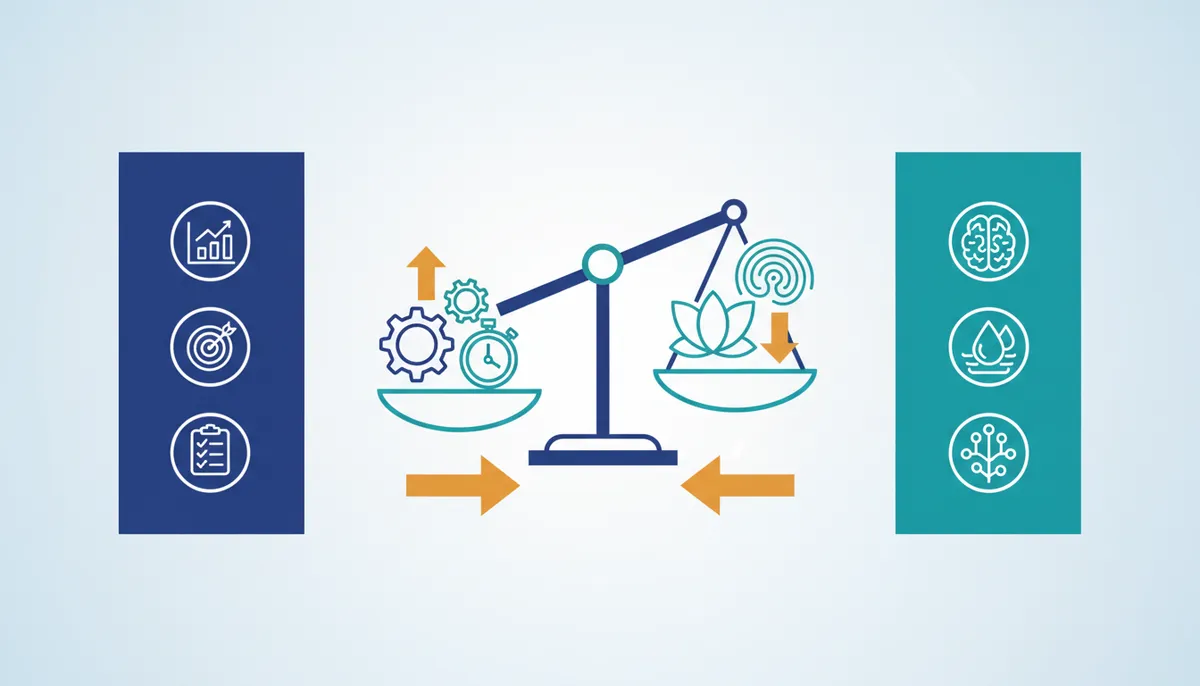
Couples often find that intimacy suffers when performance goals overshadow shared presence. Dr. William H. Masters and Virginia E. Johnson developed a response to this flexible in 1970. Their structured protocol employs a sequence of touching exercises designed to swap anxiety for mindful attention. Traditional interactions frequently rely on formulaic expectations that distract partners from the moment. This method redirects focus toward intensive sensory details like pressure and temperature instead.
| Feature | Traditional Intimacy | Sensate Focus Protocol |
|---|---|---|
| Primary Goal | Intercourse or orgasm | Mindful sensory awareness |
| Touch Style | Formulaic, goal-oriented | Structured, non-judgmental |
| Communication | Often implicit or assumed | Explicit feedback required |
The methodology uses a structured touching protocol rather than unstructured romantic interaction to reduce negativity associated with sexual intimacy. Partners shift focus away from ingrained expectations of intercourse or orgasm as the primary objective. Tension arises when couples seeking immediate sexual resolution feel frustrated by the deliberate absence of genital focus. Removing performance pressure allows partners to explore sensory experiences without judgment. Guided resources enable this transition safely for those ready to prioritize connection over conquest. Vulnerability is demanded, yet the process systematically rebuilds the trust required for deeper bonding.
Comparison: Applying Mindful Touch to Reduce Performance Anxiety
Viewing physical interactions as valuable bonding moments rather than means to an end reduces anxiety for many people. This approach treats hugging, holding hands, and kissing as end goals themselves instead of steps toward intercourse. The structured touching protocol specifically aims to reduce negativity associated with sexual intimacy by shifting focus from outcome to sensation. Success is measured by the reduction of sexual performance anxiety rather than a numerical score.
| Dimension | Goal-Oriented Intimacy | Mindful Touch Protocol |
|---|---|---|
| Primary Focus | Intercourse achievement | Sensory experience |
| Anxiety Source | Fear of failure | Distraction from moment |
| Progression | Linear escalation | Phased architecture |
Therapy follows a phased architecture beginning with non-sexual exploration before progressing to sensual touch. Couples seeking immediate sexual resolution may find the initial restriction of sexual contact frustrating. Modern interpretations validate that shifting focus away from performance remains effective for treating sexual disorders. Patience is required because early sessions will not lead to orgasm. This constraint creates the safety required for deep emotional connection. The structured path helps partners replace pressure with presence. Adhering to the phased progression helps maintain the reduction of anxiety the practice seeks to address. True intimacy requires abandoning the scoreboard entirely.
Goal-Oriented Intercourse Versus Connection-Focused Bonding
Many individuals incorrectly treat intercourse as the mandatory "end goal" of sexual interactions, believing they fail if they do not "achieve" penetration. This performance metric creates a binary success condition that ignores the bonding potential of hugging, holding hands, or kissing. A healthier perspective posits that all intimate interactions function as ends in themselves. Unlike traditional patterns where touch serves only as foreplay, this approach treats every gesture as a complete bonding event.
Sensate focus is designed to address desire, arousal, and orgasmic disorders by alleviating the underlying anxiety related to intercourse. Clinical observations note that couples successfully shift away from these distressing patterns by replacing them with non-judgmental sensory exploration. The primary metric for success becomes the reduction of sexual performance anxiety rather than a numerical score or specific physical outcome. Reframing removes the pressure to progress, allowing partners to remain present. Adopting this mindset requires abandoning the cultural script that equates sexual validity with intercourse. Partners must actively choose to value the sensory experience over the final act. Guided resources enable this transition for couples ready to dismantle performance anxiety and rebuild intimacy on mutual presence.
About
Dr. Ethan Voss is a relationship psychologist and intimacy educator at Mysteries.love, where he specializes in the intersection of attachment theory and the neuroscience of desire. His expertise makes him uniquely qualified to explore sensate focus, a technique rooted in reducing performance anxiety through mindful physical attention. In his daily work, Dr. Voss translates complex clinical research into evidence-based practices that help couples navigate desire discrepancies and rebuild trust without pressure. This article reflects his commitment to bridging academic psychology with practical intimacy skills for modern relationships. As part of the Mysteries.love editorial team, he ensures that all guidance aligns with the platform's mission to provide non-judgmental, body-aware education. By focusing on sensation over expectation, Dr. Voss helps readers understand how structured touch exercises can change sexual connection, drawing directly from his experience guiding individuals toward deeper emotional and physical alignment within the Mysteries.love framework for sexual wellness.
Conclusion
Scaling this practice beyond a single session reveals where most couples falter: the temptation to accelerate the timeline once initial anxiety subsides. The operational cost of skipping the fundamental non-genital phases is a rapid return to the very performance metrics the exercise aims to eliminate. While modern therapy trends emphasize sensate focus to counter goal-oriented patterns, the technique only works if partners strictly enforce the constraint of non-demand. You must treat the initial five to ten minutes not as a warm-up, but as the entire event. If the interaction inevitably drifts toward intercourse, the session has technically failed its primary objective of sensory presence.
Commit to a thirty-day protocol where genital contact is explicitly prohibited during these exercises. This specific boundary forces the nervous system to decouple touch from the expectation of a sexual finale. Without this rigid timeline, the brain reverts to seeking the familiar dopamine hit of completion rather than building new neural pathways for connection. Start your next scheduled session by setting a visible timer for exactly ten minutes and agreeing that the exercise ends the moment the alarm sounds, regardless of arousal levels. This hard stop preserves the integrity of the experience and ensures that touch remains an end in itself rather than a transaction.
Frequently Asked Questions
Partners typically begin with just 5–10 minutes of touch per person. This short duration helps maintain focus and intimacy without creating undue pressure during the initial exchange.
The method progresses through nonsexual touch, sexual touch, and sexual intercourse. Each stage builds upon the previous one to ensure a structured and safe expansion of physical connection.
Masters and Johnson introduced this practice in 1970 to address sexual dysfunction. Their original protocol targeted desire and arousal disorders by removing the expectation of intercourse.
The approach adapts for all genders, orientations, and physical abilities. Partners must honor their own boundaries while focusing entirely on present-moment pleasure rather than specific outcomes.
It shifts attention from intrusive worries to immediate sensory input. This redirection breaks the cycle of anticipation and promotes healthy sexual functioning by focusing on connection.
References