Sensate Focus: Drop the Goal of Sex
Intimacy often crumbles under the weight of daily logistics. Sensate focus offers a way back, not by adding more techniques, but by subtracting the goal of sex itself.
Masters and Johnson built this framework in the 1960s and 1970s at the Kinsey Institute on a counter-intuitive premise: remove the expectation of intercourse, and anxiety collapses. The mechanics are simple but rigid. You shift from performance to presence. You trade genital stimulation for neutral skin texture. You stop trying to "fix" the relationship and start noticing the temperature of a hand.
Joanne Bagshaw notes that sensate focus works precisely because it removes the demand for orgasm. Partners take turns exploring physical responses to build emotional safety, unburdened by a specific outcome. Adhering to these sex therapy principles replaces frustration with a renewed capacity for vulnerability.
The Role of Sensate Focus and Mindful Touch in Modern Relationship Therapy
Sensate Focus Origins: The Masters and Johnson Five-Stage Protocol
Dr. William H. Masters and Virginia E. Johnson developed Sensate focus in the 1960s and 1970s as a direct assault on performance anxiety. Their method strips away goals. Couples move away from outcome-based sexual interactions toward mindful presence. The original framework systematically desensitizes partners to sexual expectation.
Weeks 1-2 explicitly require couples to avoid genitalia and breasts. This restriction forces attention onto neutral skin textures and temperature instead of arousal. It dismantles "spectatoring," that mental habit where individuals monitor their own performance rather than experiencing sensation. Linda Weiner and Constance Avery-Clark adapted the original protocol in 2017, yet the core mechanism remains the deliberate removal of sexual demands.
Mindful touch in this context relies on curiosity, not seduction. Partners learn to communicate non-verbally, noticing how a lighter pressure differs from a firmer grip without intending to escalate intimacy. Success requires focusing solely on the sensations of touch without any expectation of intercourse or orgasm. This distinction separates therapeutic repair from standard foreplay.
Executing Mindful Touch: Non-Verbal Communication Without Pressure
Safety for non-verbal communication starts when partners set aside a quiet time and place where they will not be interrupted. This setup removes external distractions, allowing the toucher to explore skin texture with genuine curiosity rather than sexual intent. The person touching explores with curiosity regarding skin texture and the response to lighter versus firmer touch, noting how temperature and surface variations feel without aiming for arousal.
Meanwhile, the receiver focuses entirely on internal sensations, identifying what feels comforting or pleasurable in the moment. A critical mechanism for success involves the receiver placing their hand over the toucher's hand to guide pace and pressure instantly. This feedback loop bypasses the need for verbal instruction, grounding the interaction in immediate physical reality.
Traditional Touching Versus Mindful Exploration in Therapy
Arousal is the typical target of traditional touching, whereas mindful exploration prioritizes sensory awareness without expectation. Couples frequently experience disconnection when intimate interactions become goal-oriented, leading to frustration and conflict. In contrast, sensate focus explicitly refocuses participants on their own sensory perceptions, forbidding intercourse in early stages to reduce anxiety. This structured approach differs from general intimacy exercises by mandating a non-judgmental stance where orgasm is not the metric of success.
| Feature | Traditional Touching | Mindful Exploration |
|---|---|---|
| Primary Goal | Arousal or orgasm | Sensory attention |
| Focus Area | Genitals and erogenous zones | Whole body texture |
| Mindset | Performance-based | Curiosity-driven |
| Outcome | Potential anxiety | Reduced pressure |
Partners attend only to sensations, understanding internal states before attempting to please a partner. Letting go of goal-driven mindsets allows couples to build trust and understand boundaries more deeply. This reorientation helps individuals become attuned to physical responses, ultimately reducing relationship conflict through shared vulnerability.
How Synchronized Breathing and Eye Gazing Create Physiological Safety
Physiological Safety Through Synchronized Breathing and Eye Gazing
Steady eye contact acts as a direct signal to the nervous system, shifting focus from defense toward connection. Holding a gaze for several minutes often triggers a vulnerability response that surfaces emotions like fear or joy, requiring partners to acknowledge these feelings without judgment. This practice removes verbal defense mechanisms, relying instead on visual presence to establish safety.
When couples match their inhalation and exhalation rhythms, they generate a shared physiological state that lowers individual anxiety. The mechanism depends on the vagal brake, where slow, unified breaths signal safety to the brainstem, causing heart rates to drop simultaneously.
- Partners sit facing one another in a comfortable, quiet space.
- They synchronize their breathing patterns, inhaling and exhaling together.
- Attention remains fixed on the partner's eyes without speaking.
Such rhythmic alignment merges two separate biological systems into a single regulatory loop, supporting a profound sense of unity. The intensity of a sustained gaze can feel overwhelming or awkward for beginners unaccustomed to such raw exposure. Touch-based exercises allow physical distraction, whereas this method demands full cognitive presence, a challenge amidst daily stress. While the entry barrier feels high due to emotional exposure, the resulting physiological safety provides a stable foundation for deeper intimacy work. By prioritizing shared regulation over performance, couples dismantle the isolation often felt during relational conflict. This approach proves particularly valuable when verbal communication becomes blocked by shame or past trauma.
Executing the 5-10 Minute Eye Gazing and Breath Matching Protocol
Partners sit comfortably facing each other and set a timer for 5 to 10 minutes to maintain eye contact without speaking. This specific duration creates a contained window where visual presence replaces verbal defense mechanisms. Silence often feels awkward initially, yet holding the gaze forces a surrender to the immediate emotional reality between two people.
Couples can either inhale and exhale together or alternate breaths so one exhales as the other inhales. Matching these rhythms generates a shared physiological state that actively reduces individual anxiety levels. The mechanism relies on the vagal brake, where slow, unified breaths signal safety to the brainstem before conscious thought intervenes.
- Establish a quiet space free from interruptions to ensure external safety.
- Lock eyes softly without staring intensely to avoid strain.
- Begin deep breathing, choosing either unison or alternating patterns.
- Observe emerging emotions like fear or joy without judgment or analysis.
| Pattern Type | Mechanism | Primary Effect |
|---|---|---|
| Unison | Simultaneous inhale/exhale | Creates rhythmic unity |
| Alternating | Partner A exhales as B inhales | Establishes complementary flow |
A significant constraint involves the intensity of vulnerability; some individuals may dissociate if the eye contact becomes overwhelming too quickly. Unlike touch exercises that allow physical distraction, this protocol demands full cognitive engagement with the partner's humanity. Practitioners must recognize that breaking gaze to reset is a valid regulation strategy, not a failure of the exercise. Skipping this non-verbal calibration leaves couples relying on performance metrics rather than genuine connection.
Navigating Emotional Barriers and Initial Awkwardness in Silent Connection
Silence often triggers self-consciousness before partners achieve the intended non-judgmental state required for deep connection. When couples first attempt these exercises, the absence of verbal distraction frequently exposes underlying anxieties or unprocessed emotions like fear and sadness. Instead of resisting this discomfort, participants should acknowledge such feelings without judgment to prevent immediate emotional disconnection. This acceptance transforms potential friction into a shared vulnerability that strengthens the bond rather than weakening it.
The mechanism works because removing speech forces reliance on physiological co-regulation to maintain safety. Partners who breathe deeply and relax, even when feeling awkward initially, actively signal safety to their nervous systems. This deliberate pacing allows emerging emotions to surface naturally rather than being suppressed by performance pressure.
| Barrier | Reaction | Recommended Response |
|---|---|---|
| Awkwardness | Tension or laughter | Deepen breath rhythm |
| Sadness | Withdrawal | Maintain soft eye contact |
| Fear | Closing eyes | Acknowledge internally |
Practitioners note that avoiding genitalia and breasts during early phases helps couples focus solely on tactile sensation without sexual expectation. Emotional barriers often dissolve only when the goal of fixing them is abandoned entirely. Pushing for comfort recreates the very performance anxiety the exercise aims to dismantle. True intimacy emerges when partners allow awkwardness to exist without attempting to change it.
Executing the 3-Minute Game and Sensate Focus Protocols for Couples
The 3-Minute Game: Betty Martin's Two-Question Framework

Sex educator Betty Martin developed this protocol to replace assumption with explicit verbal negotiation. Partners alternate asking two specific questions: "How would you like me to touch you for three minutes?" and "How would you like to touch me for three minutes?" This structure forces a shift from intuitive guessing to clear consensual request, ensuring both giving and receiving roles are practiced intentionally.
- Partner A asks the first question regarding their own action.
- Partner B states a specific desire, such as arm stroking or holding.
- The couple engages in the requested touch for exactly three minutes.
- Roles reverse immediately for the second inquiry about Partner B's action.
Time creates the boundary here. The short duration reduces performance pressure yet may feel abrupt for couples accustomed to longer, unguided intimacy sessions. Such a constraint ultimately protects the vulnerability required for honest communication about physical boundaries.
Executing Initial Sensate Focus: Non-Sexual Touch Protocols
Couples begin sensate focus by restricting all contact to non-genital areas during the first two weeks. This core protocol, developed by Masters and Johnson, explicitly forbids touching breasts or genitals to eliminate performance pressure. The mechanism requires partners to alternate roles as giver and receiver, focusing entirely on skin texture and temperature rather than arousal.
- Set a timer for a predetermined duration in a private, interruption-free environment.
- The touching partner explores the back, arms, or legs with curious attention.
- The receiving partner focuses on their sensations, noticing what feels pleasurable or comforting.
- Switch roles after the agreed time to balance the experience of giving and receiving.
Difficulties emerge when couples inadvertently treat these exercises as a ladder to intercourse rather than an end in themselves. Tension between the desire for sexual climax and the discipline of sensory awareness defines the therapeutic value of the practice. The resulting shift allows individuals to experience connection without the burden of achievement, supporting a safety that goal-oriented encounters often lack.
Consent and Boundary Setting Checklist for Mindful Touch
Partners establish a secure environment by setting aside a quiet time and place where they will not be interrupted. This preparation creates the safety required to practice giving and receiving touch without fear of unintended escalation. The mechanism relies on explicit boundary negotiation to prevent the anxiety that often blocks vulnerability during intimate exploration.
- Select a private location where interruptions are impossible for the duration of the session.
- Partners communicate openly to express desires, preferences, and boundaries in a safe environment.
- Confirm mutual agreement that the initial phase excludes breasts and genitalia entirely.
| Feature | Standard Interaction | Mindful Protocol |
|---|---|---|
| Goal | Arousal or completion | Sensory awareness |
| Communication | Verbal assumption | Pre-negotiated signals |
| Focus | Outcome driven | Present moment |
Confusion occurs when partners mistake these boundaries for rejection rather than structure.
Measurable Relationship Improvements Through Structured Fantasy Sharing
Defining Vulnerable Fantasy Sharing as a Safe Communication Tool
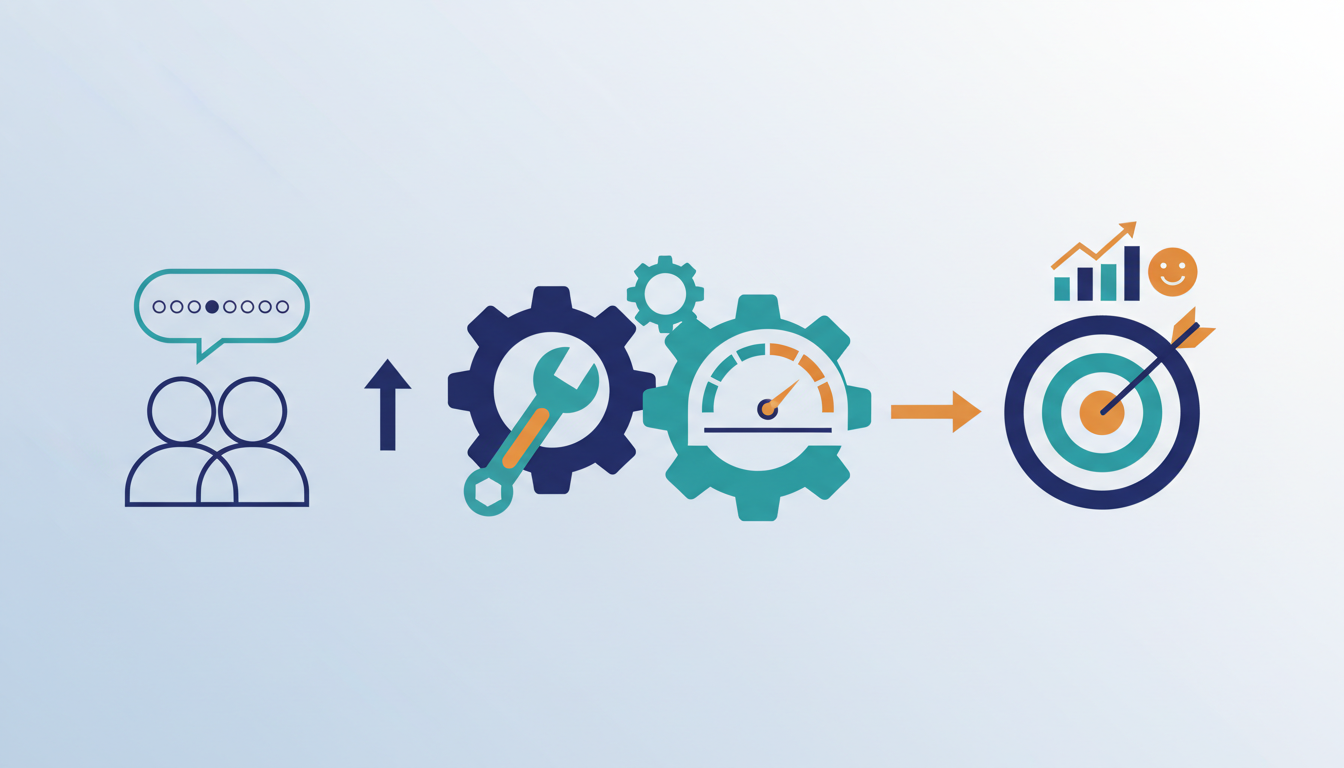
Sharing sexual fantasies openly creates a vulnerable yet rewarding experience where partners express desires, preferences, and boundaries within a safe environment. This practice establishes a private space for one individual to share a narrative while the other listens without interruption or judgment. Non-judgmental listening ensures the speaker feels heard rather than evaluated. Unlike general conversation, this structured exchange reveals hidden aspects of a partner's inner world, serving as a springboard for new experiences. Research indicates that such disclosure leads to a deeper understanding of sexual needs, fundamentally altering how couples perceive each other's relational and sexual trauma history or current desires.
Expecting immediate enactment limits the process; the goal remains communication, not necessarily performance. Partners discuss appealing elements, yet acting on them stays optional based on mutual comfort. Separating disclosure from obligation prevents the exercise from becoming another source of performance anxiety. Couples build a reservoir of trust that enhances overall intimacy by removing the pressure to perform. The Relationship Values Workbook offers further guided tools for this type of exploration at $0.00.
Executing the Reciprocal Sharing Protocol for Partner Desires
Start this dialogue by establishing a comfortable, private space where external distractions cannot interrupt the flow of vulnerability. One partner shares a specific fantasy or desire while the other practices active listening without interrupting or judging the content. This sequential approach ensures the speaker feels safe enough to reveal hidden aspects of their inner world. Once the first partner has fully expressed their thoughts, the listeners reciprocate by sharing their own desires in turn. The couple then discusses elements of these narratives they find intriguing or appealing, focusing entirely on understanding rather than immediate implementation.
Integrating mindfulness principles helps partners attend only to sensations and internal states before attempting to please one another sensations. The primary goal is not necessarily to act on fantasies immediately, or ever, if either partner remains uncomfortable. This protocol functions as a communication bridge, not a binding contract for sexual performance. A significant constraint arises when partners conflate sharing with consent to act; clarifying that disclosure does not mandate execution prevents premature pressure. Couples experiencing rushed intimacy often benefit from this structured slowing of sexual accelerators to manage anxiety effectively anxiety. Opening these lines of communication fosters closeness and acceptance regardless of whether the fantasies are ever realized physically.
Validating Readiness for Fantasy Disclosure Using Therapeutic Resources
Confirming emotional safety before attempting deep fantasy disclosure avoids relational harm. Partners often mistake surface-level comfort for the psychological readiness required to hear explicit desires without triggering defensiveness. A significant tension exists between the desire for radical honesty and the capacity to process vulnerability without spiraling into shame. Using a structured tool like the Relationship Values Workbook provides a guided path forward when uncertainty arises. This FREE 12 page guided tool helps couples move beyond surface-level communication by grounding discussions in shared core values. It serves as a diagnostic mechanism, revealing whether a pair possesses the necessary conflict resolution skills to handle divergent fantasies constructively. Deep-seated anxiety or trauma responses exposed by workbook exercises suggest the couple likely requires professional intervention rather than solo experimentation. Modern therapeutic approaches increasingly link somatic experiencing with talk therapy to process such relational complexity safely. Working with a sex and relationship therapist can offer guidance tailored to unique situations where past trauma complicates present desire. Professional support ensures that exploring new erotic territories strengthens rather than fractures the bond.
About
Dr. Ethan Voss, a Relationship Psychologist and Intimacy Educator at mysteries.love, brings clinical depth to the exploration of sex therapy exercises for couples. With over six years of experience as a practicing clinical psychologist specializing in couples therapy, Dr. Voss has directly guided partners through intimacy disconnection and performance anxiety in his Amsterdam practice. His daily work involves translating complex attachment theory and evidence-based frameworks, such as the Gottman Method, into actionable strategies for relationship repair. This article's focus on sensate focus and rebuilding connection mirrors the core interventions he uses to help clients navigate desire discrepancies. At mysteries.love, part of the Center for the Development of Intimate Relationships, Dr. Voss uses his background in the neuroscience of desire to provide non-judgmental, practical education. His expertise ensures that the recommended techniques are not only theoretically sound but also proven tools for supporting lasting emotional and physical intimacy in modern relationships.
Conclusion
Intimacy fails when partners lack the operational discipline to pause. Skipping preparation erodes trust, turning one partner's vulnerability into another's burden. While workbooks and professional guidance have value, the critical next step is integrating mindful presence before verbal exchange. Couples often rush to speak before establishing a non-verbal baseline of safety.
Silent eye contact for 5 to 10 minutes forces a shift from performing for a partner to simply attending to sensations within oneself. Adopt this silent grounding protocol before any high-stakes conversation about desire. If maintaining this silence feels impossible or triggers immediate defensiveness, do not proceed to fantasy disclosure. View this reaction as a clear signal to engage a sex and relationship therapist first. The goal is not to force a breakthrough but to verify that the foundation can hold the weight of new information.
Start this week by setting a timer for 5 minutes and sitting with your partner in silence without speaking. Use this brief window to assess your internal state and observe your partner's presence without the pressure to perform or fix. This simple act reveals whether you are ready for deeper dialogue or if you need to build more conflict resolution capacity before proceeding.
Frequently Asked Questions
Couples can access these foundational tools for relationship repair at absolutely no financial cost. The article confirms that partners can begin this essential exploration using resources priced at $0.00 to immediately reduce barriers.
Partners must set a timer to sustain uninterrupted eye contact for a specific duration. The protocol recommends maintaining this silent visual connection for 5 to 10 minutes to effectively build physiological safety and presence.
The initial phase explicitly requires avoiding genitalia and breasts to ensure focus remains on non-sexual touch. This restriction lasts for the first two weeks to help partners dismantle performance anxiety successfully.
Dr. William Masters and Virginia Johnson created this framework during the 1960s and 1970s to reduce sexual performance anxiety. Their original five-stage process remains a cornerstone of modern relationship therapy practices.
Traditional touching targets arousal while mindful exploration prioritizes sensory attention without expecting an outcome. This shift allows couples to experience deep connection without the pressure of achieving intercourse or orgasm.