Sensate focus exercises: A 6-week path to intimacy
Six weeks. That is the floor, not the ceiling, for guided practice to effectively reduce sexual anxiety, according to ChoosingTherapy.com. Developed by Dr. William Masters and Dr. Virginia Johnson in 1970, this therapeutic method systematically strips away performance expectations to restore intimacy. It works only if you enforce a hard line between these exercises and normal sexual activity. The goal is sensory input, period. No outcomes allowed.
You need to draw a bright line between sensuality and sexuality. This boundary excludes genital touch specifically to stop old behavioral loops from hijacking the session. The phased architecture of non-genital touch forces concentration on temperature, pressure, and texture. You will see how mindful touch protocols swap verbal negotiation for non-verbal communication, prioritizing presence over performance.
Therapist oversight isn't optional; professionals monitor reactions over the recommended six or more weeks to adjust treatment safely. Founders capped single sessions at 15 minutes for exploration to maintain focus. By sticking to these structured touching exercises, couples rebuild trust and attack the root causes of intimacy issues without guessing.
The Distinction Between Sensuality and Sexuality in Therapeutic Contexts
Defining Sensate Focus: Masters and Johnson's 1970 Framework
Dr. William Masters and Dr. Virginia Johnson launched this protocol in 1970 to kill performance anxiety with mindful sensory awareness. Instead of chasing genital outcomes, partners redirect attention to complete tactile input. This shift builds the three pillars of positive intimacy: willingness, relaxation, and sensuality. Remove the demand for a sexual response, and partners learn to communicate comfort through non-verbal cues rather than awkward verbal negotiations.
The mechanism hinges on specific sensory anchors. Participants lock onto temperature, pressure, and texture. This narrow focus crowds out cognitive distractions like body image or arousal expectations. While early research dates to the 1960s, the framework emerged in 1970 to address sexual dysfunctions systematically. Safety requires abstaining from intercourse and genital touching in initial phases.
Many couples find these boundaries counterintuitive. Progression happens only when both partners feel secure, often requiring professional guidance to maintain momentum. Without this structure, old patterns of performance pressure resurface fast. The limitation is simple: you must stop before arousal becomes the goal. The practice rebuilds trust by decoupling touch from obligation, letting intimacy emerge from presence rather than achievement.
Applying Sensuality Boundaries to Reduce Sexual Anxiety
Strict prohibitions against intercourse and genital touching define the initial therapeutic boundary. Remove the expectation of sexual performance, and couples focus entirely on mindful touching to interrupt ingrained behavioral loops. Clinical applications target partners dealing with sexual discomfort by bypassing psychological blocks through structured physical contact. Unlike talk therapies that start with cognitive restructuring, this modality uses physical sensation as the primary vehicle for rebuilding connection.
Restricting touch to non-sexual areas forces attention onto temperature, pressure, and texture rather than arousal. This deliberate limitation breaks old patterns where interaction has become formulaic or anxiety-ridden. When the goal of intercourse vanishes, the nervous system shifts from performance demand to sensory reception. Partners guide each other using non-verbal cues, creating a sense of safety that verbal negotiation often fails to achieve.
The full therapeutic process typically guides couples through assigned exercises over a course of six or more weeks, depending on comfort levels. Skipping stages or rushing to genital contact undermines the anxiety-reduction protocol. The cost is the re-emergence of performance pressure, which halts the neurological rewiring process. Distinguishing sensuality from sexuality allows partners to rediscover intimacy without the burden of immediate sexual outcomes.
Sensate Focus Therapy vs Traditional Sex Therapy Expectations
Sensate focus diverges from traditional sex therapy by eliminating performance goals to prioritize present-moment awareness over sexual output. Traditional modalities often target specific physiological outcomes, whereas this protocol uses structured touching exercises to dismantle the anxiety driving intimacy difficulties.
| Feature | Traditional Expectations | Sensate Focus Approach |
|---|---|---|
| Primary Goal | Intercourse or orgasm | Mindful sensory connection |
| Pressure Source | Performance metrics | Removed entirely |
| Scope | Sexuality-focused | Sensuality-focused |
The mechanism functions by restricting physical interaction to non-demanding touch, effectively removing stressful behaviors from a couple's sexual menu. Clinical applications address complex barriers including attachment wounds and performance pressure that typically inhibit relaxation. A beginner variation suggests setting a timer for exactly 5 minutes to massage a partner's hand, forcing a narrow window for tuning into feelings rather than anticipating escalation. This constraint prevents the mind from racing toward future sexual acts.
In practice, the critical distinction lies in the removal of the "spectatoring" phenomenon, where individuals monitor their own arousal levels. By focusing strictly on temperature, pressure, and texture, partners bypass the cognitive evaluation of their sexual response. This approach treats intimacy difficulties by addressing the relational discord caused by fear of failure rather than the failure itself. Practitioners using this model observe that removing the mandate for orgasm often restores the capacity for pleasure more effectively than direct intervention. Violating the no-genital rule prematurely reintroduces the very performance anxiety the exercise seeks to resolve.
The Phased Architecture of Non-Genital Touch and Sensory Progression
Defining the Non-Genital Touch Protocol and Sensory Goals
Stage 1 strictly forbids contact with genitals or breasts to enforce a non-demand permission structure that removes orgasm as a goal. Couples must abstain from penetration, intercourse, or orgasm while progressing through directed stages. This restriction alleviates performance pressure so each person focuses on experiencing temperature, pressure, and texture. The original protocol utilized this explicit prohibition during the first two weeks to reduce psychological load. Partners take turns exploring non-erotic zones using only hands and fingers while monitoring sensory input.
- The giving partner experiments with varied tactile sensations on the back, limbs, or scalp.
- The receiving partner provides non-verbal feedback by guiding hand placement or pressure.
- Both individuals maintain mindfulness of physical feelings rather than emotional reactions.
This mechanical separation of sensation from sexual expectation allows the receiver to control the interaction entirely. Unlike unstructured intimacy building, this structured progression prevents the brain from anticipating sexual outcomes. Couples must resist the urge to escalate touch prematurely. The protocol demands discipline to ensure the sensory focus remains the primary objective rather than a means to an end.
Executing Session Logistics: Time Allocation and Environmental Controls
Operational success requires designating roughly 30 minutes to an hour of uninterrupted time, two to three times a week. This temporal boundary creates a predictable container that separates therapeutic work from daily routine. The physical environment must maintain a comfortable temperature while excluding all electronics, pets, or stimulating sounds. Such sensory deprivation ensures that external stimuli do not compete with the internal focus required for mindful touching.
Substance use presents a critical variable in session efficacy. Alcohol or recreational drug use is strictly avoided because these agents impair the nervous system's ability to process natural tactile input accurately. Avoiding these substances ensures partners can experience sensations naturally without interference.
- Silence all mobile devices and remove visual clutter from the touch space.
- Maintain a comfortable room temperature free from distractions.
- Avoid alcohol or recreational drugs to preserve natural sensory perception.
A common logistical error involves prioritizing clock-watching over presence. While a timer provides structure, obsessing over the remaining duration can undermine the goal of relaxation if partners feel rushed. Balancing structural discipline with emotional safety requires recognizing when the clock becomes a distraction rather than a tool.
Validating Readiness: Consent, Therapist Guidance, and Safety Rules
Professional oversight establishes the mandatory safety framework before any physical progression occurs. A trained therapist monitors reactions to determine the appropriate course of treatment, ensuring that the non-demand permission structure remains intact throughout the process. This technique should not be used or progressed through without the explicit consent of all people involved, as safety and trust are paramount for rebuilding connection.
Advancement to subsequent stages relies entirely on mutual comfort rather than a fixed timeline. The full therapeutic process typically guides couples through assigned exercises over a course of six or more weeks, depending on individual readiness. Progression depends on the couple's comfort level to remedy their difficulties under professional guidance.
| Prerequisite | Function |
|---|---|
| Therapist Guidance | Monitors emotional responses and adjusts protocols |
| Explicit Consent | Validates safety and trust between partners |
| Environmental Control | Eliminates distractions to support focus |
Desire for rapid improvement often clashes with the necessity of slow, deliberate pacing. Adhering to the recommended timeline allows partners to reduce performance anxiety and sexual expectations so they can enjoy the experience together. Without strict adherence to these safety rules, the structural integrity of the subsequent sensory work collapses.
Executing Mindful Touch Protocols to Eliminate Performance Anxiety
Defining Mindful Touch Protocols for Performance Anxiety Relief
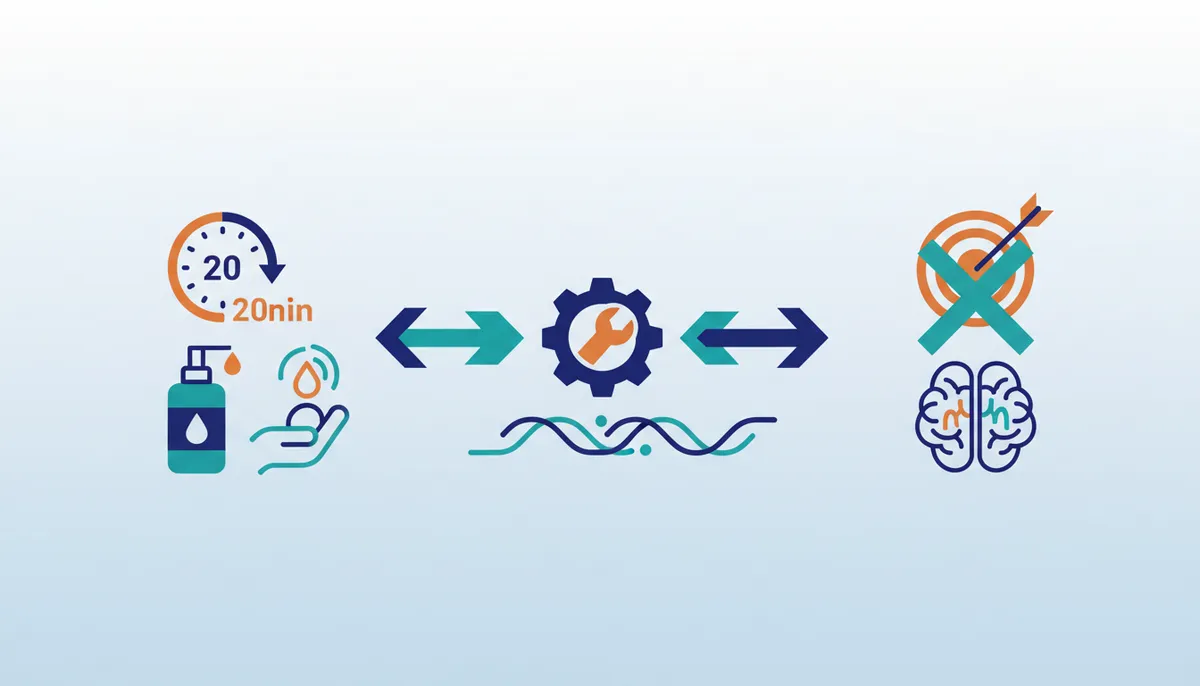
Mindful touch protocols function by replacing performance metrics with immediate sensory data to resolve sexual anxiety. This mechanism operates through structured touching exercises that direct attention away from genital response and toward neutral physical sensations like temperature and pressure. For individuals managing erectile dysfunction, the practice removes the goal of intercourse, allowing a person to enjoy sensual touch across the entire body without fear of failure. By slowing down and practicing mindfulness during sensual touching exercises, a person with sexual performance anxiety can reduce stress and let go of performance expectations. This mindful awareness interrupts the stress cycle driving performance fears.
Contemporary application extends beyond clinical dysfunction to address broader relational barriers including attachment wounds and sociocultural stressors. A key factor in successful treatment is often the deliberate removal of orgasm as an expected outcome. Unlike cognitive approaches that prioritize verbal processing first, this method uses physical sensation as the primary vehicle for rebuilding connection. For those who feel so nervous that they cannot have or enjoy sex, sensate focus therapy can reduce performance anxiety related to sex, and increase confidence and pleasure.
| Traditional Focus | Mindful Protocol Focus |
|---|---|
| Sexual performance | Sensory experience |
| Goal attainment | Present moment awareness |
| Genital response | Whole body sensation |
The protocol demands that couples focus on sensory aspects rather than sexual escalation to maintain therapeutic value.
Executing Non-Verbal Feedback and Lubricant Integration Techniques
This modification supports individuals addressing sexual pain or erectile difficulties by creating a space to attend to embodied experience without the pressure of performance. Applying a warmed substance allows partners to explore texture and slip, deepening the sensory data available during mindful touching.
Establish clear non-verbal loops using the hand-over-hand technique, where one partner places their hand over the other's to guide pace and pressure. This physical cue enables non-verbal communication of preference, allowing the receiver to modulate intensity instantly. Although this technique was originally developed for use with heterosexual couples, sex therapists have modified sensate focus therapy to accommodate the needs of diverse populations, including LGBTQ+ individuals and those with disabilities.
| Component | Function | Sensory Target |
|---|---|---|
| Lubricant | Reduces friction | Texture, Temperature |
| Hand-over-hand | Guides pressure | Pressure, Location |
| Silent pause | Processes input | Internal awareness |
A critical tension exists between maintaining strict non-verbal rules and ensuring ongoing consent; if confusion arises, the protocol pauses immediately for verbal clarification. Safety and trust are at the core of building and maintaining a healthy relationship, making consent necessary before progressing through any stage. Practitioners must monitor these dynamics closely to ensure the intervention identifies and engages barriers to intimacy effectively.
Troubleshooting Intimacy Blocks and Validating Sensory Progression
Couples should recognize that the technique promotes the elimination of performance expectations that can lead to sexual anxiety. Validating progression requires confirming that partners prioritize sensation over sexual outcomes rather than rushing toward intercourse. The following table distinguishes between productive discomfort and signs requiring a step back:
| Indicator | Action Required |
|---|---|
| Heightened awareness of texture | Continue current stage |
| Panic or dissociation | Pause and reset boundaries |
| Focus on partner's reaction | Return to self-focus |
| Natural breathing patterns | Advance complexity slowly |
Sexual performance anxiety often resurfaces when couples inadvertently reintroduce performance goals before establishing safety. A critical limitation involves the temptation to skip stages; the technique should not be progressed through without the consent of all people involved, as safety and trust are paramount. Successfully navigating these blocks allows individuals to increase confidence and pleasure by ensuring the focus remains strictly on embodied experience.
Strategic Criteria for Adopting Sensate Focus in Relationship Therapy
Defining Clinical Prerequisites for Sensate Focus Safety
Therapy requires screening sexual history and physical exam results before starting sensate focus exercises. A trained professional must evaluate these treatment factors to determine if the technique is safe for a specific individual. Clients should disclose the history with their therapist, such as sexual trauma or medical conditions, as that will influence the course of treatment and its success. Failure to address these prerequisites can activate rather than resolve anxiety in vulnerable populations.
- Undisclosed sexual trauma may cause the structured touching to trigger flashbacks instead of relaxation.
- Certain physical conditions affecting skin sensitivity or pain thresholds require modified touch protocols.
- Highly internalized performance demands can paradoxically increase stress when "non-performance" becomes another metric to fail.
Clinical applications specifically target couples dealing with "sexual discomfort, avoidance, or dysfunction," using the structured touching to bypass the arousal process blocks caused by psychological factors sexual discomfort. However, using these techniques with people who cannot yet separate touch from expectation could lead to experiencing anxiety around not performing or becoming aroused, despite directions around not feeling pressure to perform. The clinical prerequisite is not merely consent, but the verified capacity to engage without immediate re-traumatization. Consequently, the publisher advises that individuals consult a licensed provider to assess these variables before attempting home exercises. This assessment ensures the intervention remains a tool for connection rather than a source of further distress.
Anxiety Risks for Patients with Internalized Performance Demands
Sensate focus should not be used with individuals who have highly internalized performance demands. For these patients, the directive to ignore arousal metrics paradoxically creates a new metric for failure, causing anxiety around not performing or becoming aroused despite directions around not feeling pressure to perform. This counter-productive loop transforms the time-bound exercise into a high-stakes test of relaxation capacity.
- Monitoring one's own calmness becomes a form of performance pressure.
- The absence of erection or lubrication is misinterpreted as non-compliance rather than a neutral physiological state.
- Instructions to focus on temperature and texture are overridden by intrusive thoughts about sexual adequacy.
Practitioners must recognize that sexual anxiety in this demographic stems from an inability to surrender outcome-based thinking, even when the outcome is ostensibly removed. While the method serves diverse barriers including attachment wounds, it fails when the patient treats mindfulness as another skill to master perfectly. Prescribing a non-goal-oriented activity to someone whose pathology is set by goal obsession rarely works. Consequently, the technique may reinforce the very insecurity it aims to resolve if the patient perceives their lack of immediate ease as proof of brokenness. Therapists should assess whether a client can tolerate ambiguity before assigning these structured touching exercises, as premature application risks deepening the shame cycle associated with intimacy difficulties.
Applying Sensate Focus to Postpartum Recovery and Ejaculatory Delays
Sensate focus therapy functions as a validated intervention for women improving sexual function after giving birth. The mechanism redirects attention from genital performance goals to general somatic awareness, effectively bypassing psychological blocks caused by body image shifts or birth trauma. This approach helps individuals reconnect with sensory input like temperature and pressure rather than focusing on arousal metrics that may feel inaccessible during postpartum recovery. However, the technique requires strict adherence to non-demand boundaries to avoid recreating the very pressure it aims to eliminate.
Men experiencing delayed ejaculation or chronic masturbation patterns also benefit from this structured touching model. By removing the expectation of climax, the protocol reduces the spectatoring behavior where men monitor their own arousal levels instead of experiencing them. This shift allows the nervous system to reset its response to touch without the anxiety of needing to perform.
- Practitioners must screen for internalized efficiency demands that could turn relaxation exercises into new sources of stress.
- Partners need clear guidelines to maintain non-sexual boundaries during early phases of reconnection.
- Therapy success depends heavily on consistent compliance with assigned homework between sessions.
Not every patient responds identically to behavioral interventions, and some may require adjunctive treatments for complex dysfunctions. Yet field trials demonstrate that behavioral treatments including sensate focus yield significant improvements for many couples dealing with sexual dysfunction. The trade-off is the time commitment required to rewire habitual response patterns through repeated, mindful practice.
About
Sofia Reyes is a certified sex educator and somatic intimacy coach at mysteries.love, specializing in body awareness and pleasure-centered learning. Her specific expertise in somatic and trauma-informed approaches makes her uniquely qualified to discuss sensate focus exercises, a technique deeply rooted in physical presence and non-judgmental touch. In her daily work guiding individuals through body-aware intimacy education, Sofia observes how structured touching can dismantle sexual anxiety and rebuild trust between partners. This article reflects her professional commitment to bridging hands-on techniques with modern sexual wellness research. As a writer for mysteries.love, published by the Center for the Development of Intimate Relationships, she ensures that complex therapeutic concepts are presented as evidence-based, accessible tools for adults seeking deeper connection. Her background allows her to emphasize why these exercises require professional guidance while normalizing conversations about desire. Through this lens, Sofia connects clinical theory with practical application, helping readers understand the profound impact of mindful presence on intimate relationships.
Conclusion
Scaling these exercises beyond initial trials reveals that inconsistent scheduling often undermines the neurological rewiring required for lasting change. While the body adapts to non-demand touch, the real operational cost is the mental energy spent resisting the urge to escalate intimacy prematurely. Couples frequently fail not because the technique is flawed, but because they treat the practice as a prelude to sex rather than a standalone therapeutic event. You must designate roughly 30 minutes to an hour of uninterrupted time to ensure the nervous system fully disengages from performance metrics. Without this protected window, the exercise devolves into another task on a checklist, recreating the very pressure the protocol aims to eliminate.
Commit to a four-week trial where you strictly separate these sessions from any other sexual activity. This separation is critical for individuals recovering from trauma or addressing spectatoring behaviors, as mixing goals dilutes the somatic reset. If you cannot maintain this boundary, the intervention will likely reinforce anxiety rather than resolve it. Start this week by setting a timer for exactly five minutes to massage your partner's hand, focusing solely on the sensation of touch without any expectation of progression. This micro-commitment establishes the necessary discipline for longer sessions while proving that connection does not require a specific outcome to be valuable.
Frequently Asked Questions
Partners need roughly 30 minutes to an hour of uninterrupted time. This duration allows for deep relaxation without the pressure of rushing, ensuring the full therapeutic benefit of the mindful touch protocol is achieved effectively.
The process requires a minimum of six weeks of guided practice. Adhering to this timeline ensures that sexual anxiety is effectively reduced and that new, non-anxious patterns of intimacy are securely established between partners.
Beginners may start by setting a timer for exactly 5 minutes. This brief interval helps partners focus intensely on sensory input like temperature and pressure without becoming overwhelmed by the prospect of a longer session.
Initial stages explicitly forbid touching genitals to reduce performance pressure. This boundary forces attention onto non-sexual sensations like texture, breaking old behavioral loops that link touch directly to sexual outcomes or obligations.
Couples should practice these steps two to three times a week. Consistent repetition within this frequency helps rebuild trust and communication skills while maintaining the momentum needed to overcome intimacy issues successfully.
References