Conflict predicts satisfaction, not silence in love
Couples claiming zero conflict often hide a 40-50% statistical probability of insecure attachment styles driving their silence. True intimacy demands friction. Partners who never argue are likely sacrificing authenticity to maintain a fragile, deceptive calm rather than achieving relationship harmony.
Avoiding disagreements predicts long-term dissatisfaction. John Gottman's landmark 1989 research solidified this: conflict engagement beats avoidance every time. When individuals suppress differences, those issues do not vanish. They live latently but powerfully behind the scenes, fueling a slow deterioration Bretaña's 2022 study links directly to avoidant attachment and withdrawal patterns. This dynamic creates a false peace where partners gradually abandon their own needs, mistaking emotional disconnection for compatibility.
This analysis dissects why conflict-free relationships serve as a substantial red flag rather than an ideal. You will learn the hidden mechanics of emotional disconnection, understand why attachment protests go silent in avoidant pairings, and discover practical strategies for rebuilding honest engagement. With 2026 dating trends shifting toward intentional dating, prioritizing how a partner handles conflict over superficial harmony is no longer optional-it is necessary for survival.
The Hidden Meaning Behind Conflict-Free Relationships
Avoidant Attachment and Omission Bias in Conflict-Free Couples
Avoidant attachment functions as a survival strategy where partners suppress personal needs to evade perceived relational danger. Approximately 40-50% of adults possess insecure styles that predispose them to this specific conflict avoidance behavior. The mechanism relies on omission bias. Couples ignore the risk of silence while overestimating the danger of direct disagreement. Partners frequently choose inaction because they mistakenly believe that withholding grievances preserves harmony improved than engagement. Such withdrawal creates a false peace that masks underlying resentment rather than resolving it.
Real-World Scenarios of Peacekeeping Versus Earned Peace
Four distinct scenarios explain why couples report zero arguments, often masking emotional suppression rather than true compatibility. In the first pattern, one partner acts as a Withdrawer who sacrifices personal needs to maintain a fragile surface calm. This behavior creates a power imbalance where the less dominant voice stops pushing back against unfair conditions. Both parties may also fall victim to omission bias by ignoring the slow erosion of intimacy caused by unaddressed differences. A 2012 study linked this specific habit of hiding feelings to notably lower relationship quality over time. College students frequently encounter these dynamics when unrealistic expectations of perfection prevent them from managing inevitable disagreements effectively.
The Two-Year Timeline for Significant Relationship Distancing
Significant distancing manifests within two years when couples suppress disagreement to maintain false peace. Avoiding tough conversations erodes long-term stability rather than preserving it. Partners who avoid tough conversations often mistake short-term calm for genuine compatibility, ignoring latent resentment. Data indicates that 67% of long-married couples argue constructively to sustain health, contrasting sharply with conflict-avoidant pairs. The absence of friction prevents the rupture and repair cycle necessary for deepening intimacy.
| Flexible | Peacekeeping Behavior | Earned Peace |
|---|---|---|
| Conflict Source | Suppressed needs | Voiced differences |
| Outcome | Emotional distance | Deeper connection |
| Stability | Fragile, temporary | Durable, resilient |
| Communication | Surface-level only | Authentic engagement |
Operators must distinguish between genuine harmony and the silence of resignation. A licensed psychotherapist notes that skipping difficult talks leads to eventual relationship collapse. The risk lies in assuming compatibility without testing boundaries through honest engagement. Silence here functions not as comfort but as a barrier to true knowing. Couples failing to navigate constructive conflict face a high probability of separation within this specific window. True safety emerges from surviving arguments, not avoiding them entirely.
The Mechanics of Emotional Disconnection and Attachment Protests
Silence signals resignation rather than harmony when partners cease attachment protests demanding emotional reassurance. Sue Johnson argues that most conflict fundamentally asks whether one matters to the other, making silence a dangerous indicator of surrendered hope. When couples stop fighting, they stop protesting. Resignation replaces contentment as the pursuer-withdrawer cycle stalls completely. The Gottman Method focuses primarily on behaviors and skills during these interactions, whereas Emotionally Focused Therapy targets the underlying emotional experience driving the protest. Ignoring these signals creates a false peace where significant distancing occurs quietly over time without obvious rupture events. Partners who withdraw often fail to notice the severity of disconnection until the relationship reaches a breaking point. Addressing this requires shifting from avoidance to honest engagement through a specific repair sequence.
- Identify the hidden question behind the silence regarding safety and care.
- Interrupt the withdrawal pattern by voicing the need for connection directly.
- Engage in rupture and repair cycles to deepen intimacy rather than preserving surface calm.
The cost of ignoring these protests is measurable: a significant majority to 75% of distressed couples only recover after learning to engage emotionally rather than suppress friction. Avoiding conflict prevents the necessary friction that validates individual needs within the partnership structure. True stability emerges from navigating disagreement, not erasing it entirely.
The Connection-Rupture-Repair Cycle in Healthy Partnerships
Dr. James Hawkins defines the healthy relationship cycle as a repeated progression from connection to rupture, then repair, resulting in deeper closeness similar to muscle growth after workouts. This iterative process requires partners to engage in honest conflict rather than suppressing differences to maintain a fragile surface calm. Real-world scenarios at institutions like Utah Tech University highlight that unrealistic expectations of perfection often necessitate implementing healthy practices to manage these inevitable disagreements.
The mechanism operates through four distinct phases that build relational durability:
- Establish baseline emotional safety and trust.
- Experience a rupture caused by unmet needs or misunderstandings.
- Execute a deliberate repair attempt addressing the specific grievance.
- Achieve a new state of intimacy stronger than the pre-rupture baseline.
Skipping this cycle creates stagnation where partners cease attachment protests, leading to resignation instead of contentment. The Gottman Method's predictive model for assessing a couple's likelihood of staying together or breaking up now boasts an accuracy rate of over 90% based on decades of observational data regarding these interaction patterns. Conflict-avoidant pairs risk slow deterioration. Those engaging in constructive repair deepen their bond through verified friction.
| Conflict Type | Outcome |
|---|---|
| Destructive | Erodes trust through contempt or stonewalling |
| Constructive | Deepens intimacy via successful repair attempts |
The cost of skipping repair is measurable: significant distancing occurs when couples fail to address the emotional experience underneath behaviors. Intervention styles like the Gottman Method teach practical strategies such as rituals of connection to manage this friction effectively. True relationship health demands navigating the rupture rather than pretending it never happened.
Conflict Engagement Versus Withdrawal in Long-Term Satisfaction
The 1989 Gottman and Krokoff study established that conflict engagement Partners facing difficult topics, even messily, fared improved over time than those who withdrew from disagreement. This finding challenges the assumption that negative interactions always harm marital stability.
| Interaction Style | Short-Term Effect | Long-Term Outcome |
|---|---|---|
| Active Engagement | High emotional arousal | Increased relationship quality |
| Chronic Withdrawal | Surface calm | Relationship dissolution |
Distressed partners often avoid negative issues, a behavior correlating with higher costs in terms of relationship dissolution Avoiding tough conversations keeps peace temporarily but erodes stability, leading to potential costs linked to breakup. The "Friendly Non-Player" profile offers a nuance, showing some groups achieve high sexual satisfaction by avoiding game-playing styles while maintaining support. However, this specific latent profile differs notably from the destructive silence of avoidant attachment where needs go unvoiced.
The limitation of engagement strategies arises when couples lack repair skills, turning necessary friction into destructive cycles. Operators must distinguish between healthy confrontation and the four horsemen of relationship apocalypse. True stability requires navigating the tension between immediate comfort and long-term authenticity. Silence often masks a power imbalance where one partner sacrifices needs to prevent conflict. Editorial Mission recommends viewing friction as a diagnostic tool rather than a failure mode.
Practical Strategies for Rebuilding Honest Engagement
Differentiation of Self as the Foundation for Honest Engagement
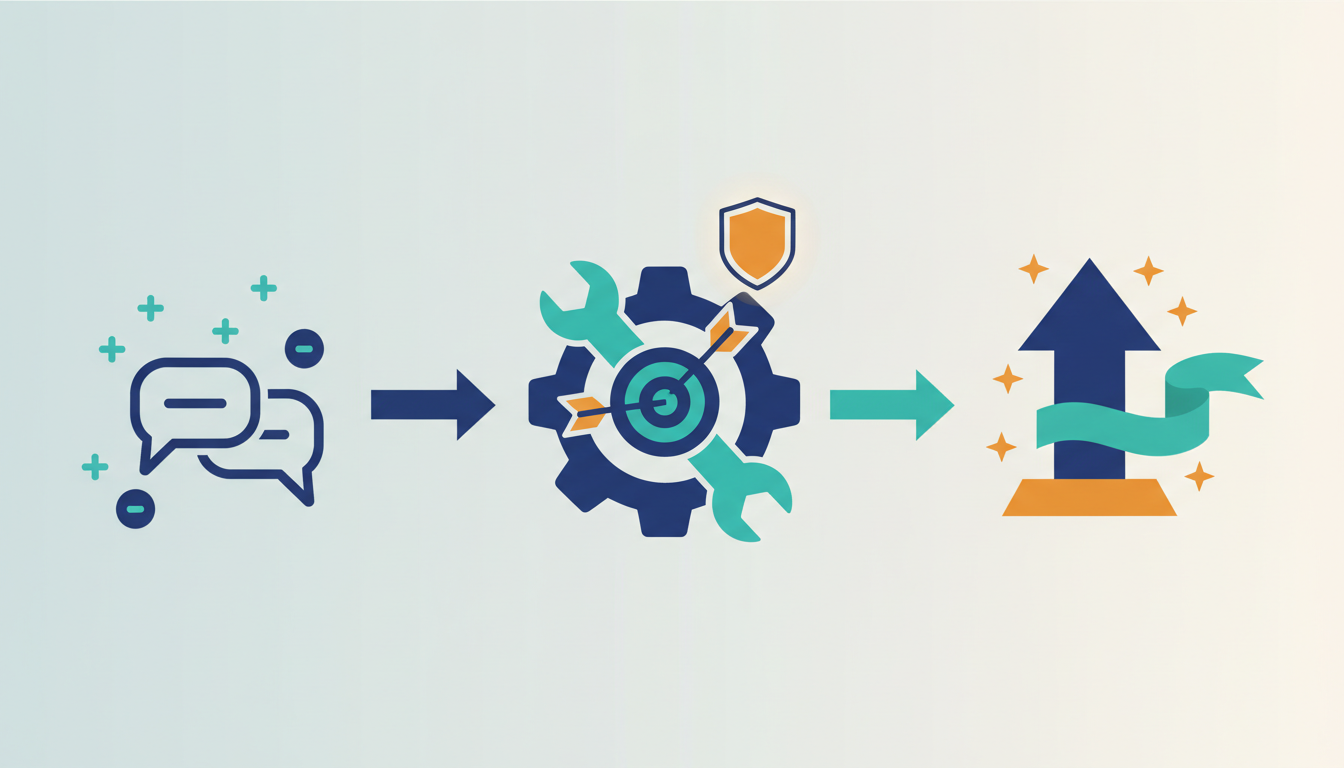
Murray Bowen described differentiation of self as the ability to keep an individual perspective while staying emotionally linked during disputes. This capacity divides false peace, which stems from accommodation, from real intimacy that demands honest navigation of differences. Partners missing this trait frequently merge identities to dodge tension, establishing a fragile stability that shatters under pressure. Daniel Linder, LMFT, noted that relationships truly begin after the first fight, signaling a shift from polite coexistence to authentic engagement.
Therapeutic interventions tackle this gap through specific methods. The Gottman Method constructs friendship using "Love Maps" to handle conflict, while EFT establishes a secure haven by reframing emotional reactions for withdrawn partners. Market trends in 2026 reveal a shift toward curated community programs over traditional therapy alone, highlighting demand for practical social skills.
Practicing honest engagement risks temporary instability before repair happens. Many couples mistake this necessary friction for relationship failure and retreat into silence. Without a safety baseline, rupture causes detachment instead of deeper connection. Operators must separate destructive patterns from the healthy friction needed for growth. Relational efficiency appears only when two distinct selves choose to remain present through the discomfort of difference.
Couples start difficult talks by designating one partner as the speaker and the other as the listener via Galena Rhoades' structured protocol. This speaker-listener technique requires the listener to paraphrase content without rebuttal, stopping defensive escalation during high-stress disclosures. Partners must hold their own view while remaining connected, a state Murray Bowen called differentiation of self. Silence masks a power imbalance without this discipline, forcing the less dominant partner to accommodate needs to avoid tension.
The mechanism needs strict turn-taking to rebuild emotional connection safely:
- The speaker holds the floor to express a specific frustration.
- The listener repeats the message verbatim to confirm understanding.
- Roles switch only after the speaker validates the paraphrase accuracy.
- Both parties agree on a closing conversation to finalize the exchange.
Experts connect this structured approach to relational efficiency, where repeated rupture and repair cycles strengthen bonds rather than erode them. Data shows partners prioritizing such friendship building are 86% more likely to report higher satisfaction levels. The technique fails if either participant uses the pause to rehearse counter-arguments instead of listening actively.
Implementation demands that couples stay present for responses rather than withdrawing into internal monologues. Therapy providers often assign homework exercises like stress-reducing conversations to reinforce these skills outside clinical settings. The cost of skipping this practice is measurable; avoidance correlates with a 40% higher risk of relationship dissolution compared to couples who engage conflict directly. True intimacy emerges only when distinct individuals navigate differences honestly instead of suppressing grievances for false peace.
Avoiding the Four Horsemen: Contempt as a Predictor of Relationship Breakdown
Contempt, set as talking down to a partner, stands as the single strongest predictor of relationship breakdown within Gottman's destructive framework. This behavior erodes relational efficiency quicker than criticism or defensiveness because it signals moral superiority rather than a specific grievance. Partners engaging in conflict resolution. The goal remains honest engagement rather than conflict for its own sake, requiring couples to distinguish between productive friction and toxic disdain.
| Behavior Type | Intent | Outcome |
|---|---|---|
| Contempt | Superiority | Predicts breakup |
| Honest Engagement | Differentiation | Builds durability |
Accommodation without differentiation leads to a loss of self, where silence masks a dangerous power imbalance rather than genuine harmony. Practitioners must implement a closing conversation post-conflict to brainstorm future avoidance strategies and reset emotional baselines. Assessing readiness before articulation during conflict prevents escalation into the four horsemen patterns. True intimacy demands two distinct selves navigating differences effectively, rejecting the false peace of total agreement.
Identifying Critical Signs for Professional Intervention
Defining the Silent Treaty and Emotional Swallowing
Silence warrants concern when it masks a silent treaty where individuals swallow a literal lump in your throat to avoid ruining the evening. This behavioral marker signals emotional suppression rather than genuine harmony, creating a false peace that stifles relationship growth. High-achieving professionals often exhibit this duality, acting as master negotiators at work yet completely folding in romantic settings by swallowing their needs and apologizing unnecessarily. Avoidance erodes long-term stability through unaddressed grievances. Partners frequently vent to friends about topics never raised with their significant other, indicating a breakdown in direct communication.
- Accumulation of unspoken resentment that surfaces as passive aggression.
- Loss of individual identity as one partner consistently accommodates the other.
- Eventual relationship dissolution due to the high cost of conflict avoidance over time.
- Stagnation where the couple stops traveling together emotionally.
Some argue that avoiding volatility preserves happiness, citing the Friendly Non-Player 1177/21582440251358988) profile which reports high sexual satisfaction and low emotional flooding. This stability often relies on superficial engagement rather than deep intimacy. True connection requires the courage to alter surface calm. Without honest engagement, the relationship remains a polite coexistence devoid of the friction necessary for differentiation of self. Real peace arrives only after the hard conversation, not before.
Recognizing Boredom and Disconnection as Red Flags
Feeling 'fine' while increasingly bored signals a silent treaty rather than genuine harmony. The author poses a defining question: 'If your relationship is perfectly quiet, is it because you've reached a destination, or because you've both stopped traveling? ' Stagnation often masks a withdrawer pattern where partners avoid volatility at the expense of depth, effectively ceasing all relational travel. Intervention becomes necessary when silence replaces the rupture and repair cycle required for intimacy. Therapeutic models like the Gottman Method use structured assessments to distinguish between earned peace and fearful avoidance. Couples risk mistaking resignation for stability without such diagnostic clarity.
- Loss of individual identity through chronic accommodation.
- Erosion of emotional connection due to unvoiced grievances.
- Development of parallel lives lacking genuine contact.
- Increased likelihood of sudden dissolution without prior warning.
- Cessation of shared emotional growth.
Critics might argue that peace is preferable to conflict, yet data suggests engagement predicts satisfaction improved than avoidance. The intervention style of modern therapy focuses on reframing emotional responses to rebuild safety rather than maintaining superficial calm. Boredom acts as a leading indicator that the relationship has stopped expanding. Operators must view the absence of friction not as a success metric but as a potential system failure requiring immediate professional diagnosis. True health demands the courage to navigate differences honestly.
The Risk of Withdrawal Patterns Linked to Avoidant Attachment
Recent findings by Bretaña confirm that avoidant attachment directly drives conflict withdrawal, creating a false stability that masks deteriorating relationship satisfaction 3389/fpsyg. 2025.1587405/pdf). This mechanism operates through emotional suppression, where partners bypass necessary friction to maintain surface calm, effectively halting the rupture and repair cycle required for genuine intimacy. Genuine connection is forged only in the courage to survive disagreement, yet avoidant individuals interpret silence as safety rather than stagnation.
- Partners gradually surrender individual needs to preserve a fragile peace.
- Emotional distancing accelerates silently over a two-year period.
- The relationship loses the capacity for differentiation of self.
- Long-term stability erodes despite the absence of visible conflict.
- Communication channels narrow to logistical topics only.
- Mutual empathy declines as unvoiced grievances accumulate.
Critics might argue that peace indicates compatibility, but data suggests otherwise; avoiding tough conversations incurs significant long-term costs associated with eventual breakup or divorce. Withdrawal feels protective in the moment while actively dismantling the bond. Without honest engagement, couples stop traveling entirely, mistaking the destination of resignation for the arrival of harmony. Operators should seek professional intervention when silence replaces the messy but vital work of addressing differences. The Editorial Mission recommends therapy not to induce fighting, but to restore the emotional connection that avoidance has severed. True relational health demands the risk of disagreement to validate that both partners still matter within the union.
About
Sofia Reyes is a Certified Sex Educator and Somatic Intimacy Coach at mysteries. Love, where she specializes in pleasure-centered relationship dynamics. Her unique qualification to address the complexities of romantic partnerships stems from her dual background as a former clinical sexologist and a somatic practitioner. While the article explores the hidden dangers of conflict-avoidant couples, Reyes brings critical insight into how suppressed emotions manifest physically and sexually within intimate bonds. Her daily work involves guiding individuals to reconnect with their bodies and articulate unspoken desires, directly mirroring the article's thesis that silence often masks disconnection rather than harmony. Through mysteries. Love, a platform dedicated to evidence-based intimacy education, she bridges the gap between psychological theory and tangible sexual wellness. This practical experience allows her to identify when a lack of arguing signals emotional withdrawal, offering readers actionable strategies to support genuine, resilient connection rather than superficial peace.
Conclusion
Silence eventually calcifies into permanent distance, transforming a partnership from a flexible alliance into a static cohabitation agreement. When couples prioritize immediate comfort over difficult truths, they inadvertently outsource their emotional intimacy to entropy. The operational reality is that unaddressed friction compounds, creating a debt that standard communication skills cannot repay once the two-year stagnation mark passes. Relying on surface-level harmony ignores the biological necessity of conflict resolution for maintaining neural pathways associated with empathy and trust.
Couples must treat avoidance as a critical system failure rather than a personality quirk. If you have not engaged in a substantive, uncomfortable conversation about core needs within the last thirty days, commit to a structured dialogue protocol immediately. Do not wait for a crisis to force engagement; the window for organic repair narrows significantly after repeated cycles of suppression. Start by scheduling a dedicated "conflict audit" session this week where each partner identifies one suppressed grievance they have withheld to keep the peace. Use a timer to ensure equal speaking time and forbid logistical deflection. This specific act of vulnerability breaks the inertia of avoidance and signals that the relationship values truth over tranquility. Only by reintroducing controlled friction can you verify that the bond remains viable for the long-term.
Frequently Asked Questions
They often hide insecure attachment styles driving their silence. Approximately 50% of adults possess these styles that predispose them to specific conflict avoidance behaviors rather than achieving true harmony.
No, avoiding disagreements predicts long-term dissatisfaction and relationship deterioration. Research shows conflict engagement beats avoidance every time, while silence prevents the necessary rupture and repair cycle for genuine intimacy.
That partner sacrifices personal needs to maintain a fragile surface calm. This behavior creates a power imbalance where the less dominant voice stops pushing back against unfair conditions within the union.
Usually it signals a failure of differentiation rather than successful cooperation. Partners mistakenly believe withholding grievances preserves harmony, but this false peace masks underlying resentment instead of resolving it.
Couples ignore the risk of silence while overestimating the danger of direct disagreement. This specific habit of hiding feelings links to notably lower relationship quality over time according to recent studies.