Attachment styles: Why your brain picks painful partners
MasterClass reports substantial revenue while Dr. Amir Levine exposes why your relationship failures are actually predictable neural patterns.
Recurring romantic disasters stem not from bad luck, but from unconscious survival mechanisms hardwired during childhood. Levine, a Columbia University psychiatrist whose books sold 3 million copies, asserts that most people fail at love simply because nobody taught them how their brain processes safety. The e-learning subscription market hitting $50 billion by 2027 proves users finally prefer deep, structural retraining over quick-fix dating advice.
We will dissect the neuroscience behind repetitive patterns, learning why anxiety often masquerades as chemistry. The analysis decodes the four attachment styles-anxious, avoidant, fearful avoidant, and secure-to explain specific partner behaviors like protest actions or emotional withdrawal. Finally, the guide offers practical strategies to build emotional safety, moving beyond identifying red flags to actively rewiring the attachment system for lasting stability.
The Neuroscience Behind Repetitive Relationship Patterns
Think of the attachment system as a neural survival mechanism engineered for safety, not a metric of partner compatibility. John Bowlby established this framework in the mid-20th century by positing that the brain prioritizes connection to mitigate existential threat. Dr. Amir Levine extends this biological imperative to argue that repetitive relationship failures stem from unconscious patterns instead of individual incompatibility. The curriculum technically categorizes human connection into 4 distinct styles: Secure, Anxious, Dismissive Avoidant, and Fearful Avoidant. This Attachment Styles Framework provides a structured lens for decoding why specific behaviors trigger distress or distance.
Decoding Protest Behaviors and Withdrawal Habits
Unanswered calls trigger protest behaviors in anxious attachers while avoidants retreat into flaw-focusing to maintain distance. This neural divergence explains why the same silence produces panic in one partner and relief in the other, fueling repetitive conflict cycles. Dr. Amir Levine uses the film *500 Days of Summer* to illustrate how misinterpreted signals reinforce these dysfunctional loops rather than resolving incompatibility. The brain treats separation as a survival threat, activating the amygdala before cortical reasoning can intervene. Members learn that these styles remain flexible, not fixed, through scenarios analyzing responses when a partner fails to call back. Therapists apply neuroplasticity principles via Emotionally Focused Therapy to reshape these automatic circuits, proving biology does not dictate destiny. Initial discomfort increases as old neural pathways resist extinction before new ones stabilize. Recognizing withdrawal habits as defense mechanisms rather than personal rejections allows operators of their own psychology to interrupt the cycle. Individuals mistake anxiety for chemistry and perpetuate the very patterns they seek to escape without this distinction.
The Danger of Mistaking Anxiety for Chemistry
Neural spikes from insecurity masquerade as romantic chemistry, driving the attachment system to select partners who reinforce existing trauma loops. This physiological error occurs because the brain misinterprets activation of the threat response as excitement, leading individuals to pursue relationships lacking emotional safety. Oxytocin acts on the hippocampus to cement these dangerous associations, making the anxiety feel like a necessary component of love rather than a warning signal. Therapists apply Emotionally Focused Therapy to interrupt this cycle by creating new neural pathways that decouple arousal from distress. Neuroplasticity confirms that conscious awareness can rewire these deep-seated patterns, yet most operators of their own lives fail to spot the red flag until the conflict pattern repeats. The limitation is stark since members simply recreate the same failures with different faces without distinguishing between genuine compatibility and adrenaline-fueled protest. The cost of this confusion is measurable in repeated relationship dissolution. Dr. Daniel Siegel notes that adult brains retain the capacity to change, but only if the initial signal is correctly identified as danger. Mistaking anxiety for spark guarantees the selection of partners who trigger the very insecurities one seeks to resolve.
Decoding the Four Attachment Styles and Partner Behaviors
The Four Attachment Styles: Secure, Anxious, Dismissive, and Fearful Avoidant
Dr. Amir Levine categorizes human connection into four distinct patterns: secure, anxious, dismissive avoidant, and fearful avoidant. The Attachment Styles Framework distinguishes dismissive types, who suppress needs to maintain independence, from fearful avoidant individuals who oscillate between craving closeness and fleeing it. This technical differentiation prevents operators from misdiagnosing disorganized trauma as simple aloofness. John Bowlby established the core science in the mid-20th century, proving these responses function as survival algorithms rather than personality flaws. The curriculum uses pop culture artifacts like *500 Days of Summer* Identifying one's specific category requires observing reactions to silence; anxious attachers escalate contact while avoidants retreat into flaw-focusing. Stress can temporarily shift a secure individual into anxious patterns. Operators must track behavioral trends over months rather than isolated incidents to avoid false positives. Recognizing the specific neural response allows for targeted intervention before conflict cycles entrench. Without this distinction, therapeutic efforts often target the wrong defense mechanism, reinforcing the very instability the patient seeks to resolve.
Scenario Analysis: Responding When a Partner Doesn't Call Back
Unanswered calls trigger distinct protest behaviors in anxious attachers while avoidants retreat into flaw-focusing to maintain distance. Dr. Theguardian. Neural spikes from insecurity often masquerade as romantic chemistry, driving the attachment system to select partners who reinforce existing trauma loops. Therapists apply Emotionally Focused Therapy to interrupt this cycle by creating new neural pathways that decouple arousal from distress.
Recognition of these patterns allows individuals to identify their specific attachment style through real-time observation rather than retrospective guessing. The curriculum draws on neuroscience research to demonstrate that these behavioral outputs are flexible responses to perceived threat, not fixed personality traits. Operators of their own emotional lives can deploy small shifts, such as confirming plans explicitly, to interrupt unhealthy cycles and set a stronger foundation.
Mechanics: Anxious Protest Behaviors Versus Avoidant Withdrawal Habits
Anxious attachment triggers protest behaviors like excessive texting, while avoidant styles initiate withdrawal habits such as silent treatment. This biological divergence stems from how the brain processes perceived abandonment versus engulfment threats.com/podcast_list/the-science-of-attachment-thais-gibson/) technically categorizes these responses into four distinct patterns, separating dismissive avoidance from fearful avoidant oscillation. Anxious individuals misinterpret silence as rejection, driving them to overthink and demand reassurance to restore proximity. Conversely, avoidant partners view closeness as a loss of autonomy, leading them to focus on flaws to justify distance. Dr. Amir Levine explains that this cycle repeats because neither partner understands the underlying survival mechanism driving the other. The original work by John Bowlby Attempting to soothe an anxious partner often validates the avoidant fear of engulfment, worsening the retreat. Operators must recognize that emotional safety requires breaking the loop rather than winning the argument. Editorial Mission advises members to identify these specific triggers before attempting resolution strategies. Without this distinction, couples merely reinforce the neural pathways causing their distress.
Practical Strategies to Build Emotional Safety and Break Cycles
Neurobiology of Oxytocin in Creating Emotional Safety
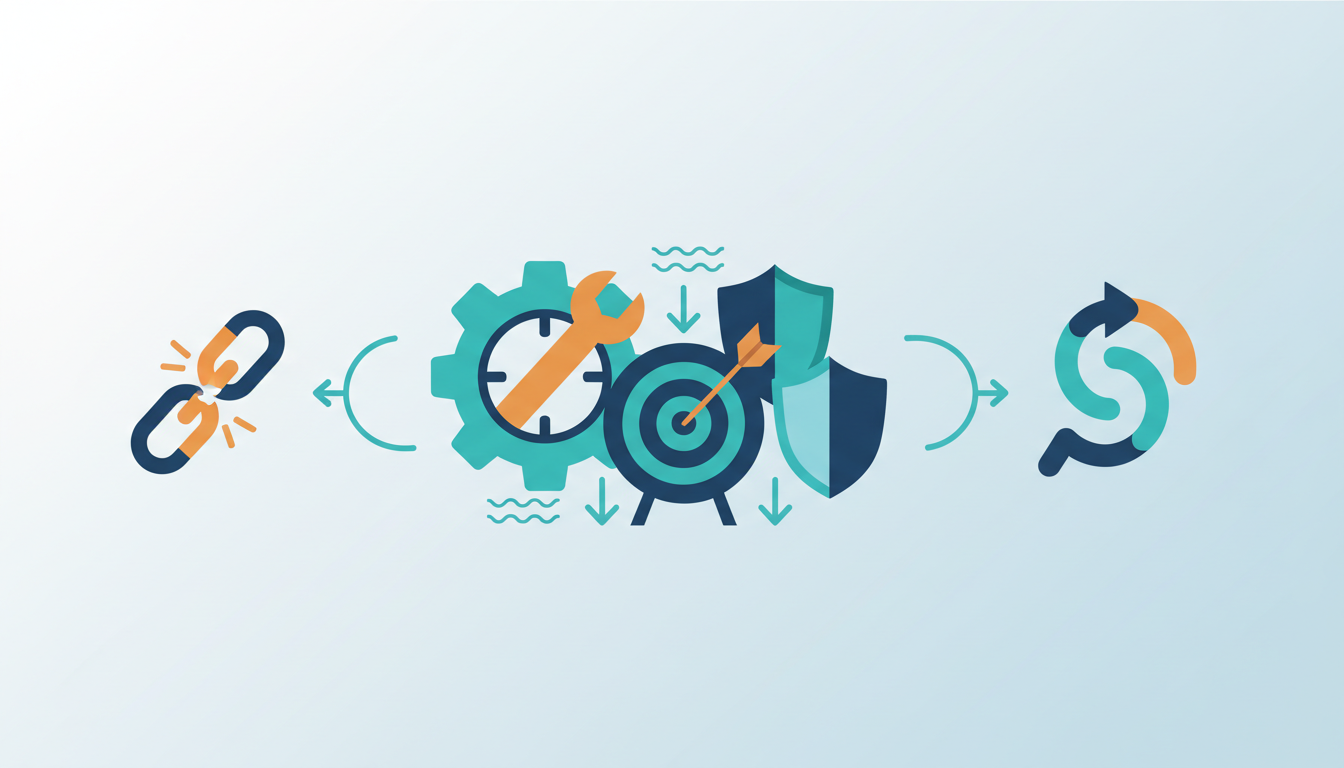
Oxytocin targets the hippocampus to cement long-term structural changes required for breaking entrenched relationship cycles. This biological mechanism transforms transient interactions into stable neural pathways, allowing individuals to override default survival responses. The course content grounds this process in the neurobiology of relationships, demonstrating how consistent safety signals rewrite memory formation circuits. Without this chemical intervention, the brain retains maladaptive associations between intimacy and threat.
- Identify current attachment triggers through real-time scenario analysis.
- Deploy consistent availability to generate endogenous oxytocin release.
- Interrupt protest behaviors before they reinforce anxiety loops.
- Validate partner responses to strengthen new secure pathways.
Dr. Levine cites cases where individuals successfully silence the harsh voice Sporadic effort fails to sustain the chemical concentration needed for structural change. Operators treating relationship dynamics as fixed traits ignore the physiological capacity for repair. Emotional safety emerges only when biological mechanisms receive repeated, predictable input over time.
Applying Flexible Attachment Scenarios to Stop Repeating Conflicts
Silence after a missed call triggers distinct protest behaviors in anxious attachers while avoidants retreat into flaw-focusing to maintain distance. This neural divergence explains why the same event produces panic in one partner and relief in the other, fueling repetitive conflict cycles. Dr. Theguardian.
| Style | Default Reaction | Flexible Intervention |
|---|---|---|
| Anxious | Excessive texting | Pause for 20 minutes |
| Avoidant | Complete withdrawal | Send one status update |
| Fearful Avoidant | Panic then silence | State specific need |
Conscious interruption of this cycle requires recognizing that styles are flexible, not fixed traits. Small shifts like checking in or confirming plans interrupt unhealthy cycles by signaling safety to the nervous system. Without this deliberate override, the neurobiology of relationships ensures the brain retains maladaptive associations between intimacy and threat. Editorial Mission recommends practicing these scenarios daily to rewire automatic responses before high-stakes conflicts occur.
Checklist: Using Clinical Practice to Spot Red Flags Early
Dr. Amir Levine identifies protest behaviors and withdrawal habits as the primary signals distinguishing anxiety from genuine incompatibility. Operators must verify four specific patterns before labeling a flexible as toxic, ensuring small shifts like confirming plans interrupt unhealthy cycles.com/podcast_list/the-science-of-attachment-thais-gibson/) categorizes these responses technically, separating dismissive avoidance from fearful avoidant oscillation during moments of disconnection.
| Trigger Event | Anxious Signal | Avoidant Signal | Secure Response |
|---|---|---|---|
| Missed Call | Excessive texting | Flaw-focusing | Single follow-up |
| Silence | Panic escalation | Relief sensation | Neutral waiting |
| Conflict | Demand reassurance | Silent treatment | De-escalation attempt |
Neuroplasticity allows the brain to rewire these default survival mechanisms through consistent safety signals rather than partner replacement. Access to this curriculum requires a $120/year membership, providing unlimited tools to decode confusing relationship dynamics effectively. Editorial Mission recommends deploying these checks immediately to prevent mistaking chemical spikes for long-term viability.
Evaluating MasterClass as a Solution for Relationship Education
MasterClass Subscription Tiers and Unlimited Access Model
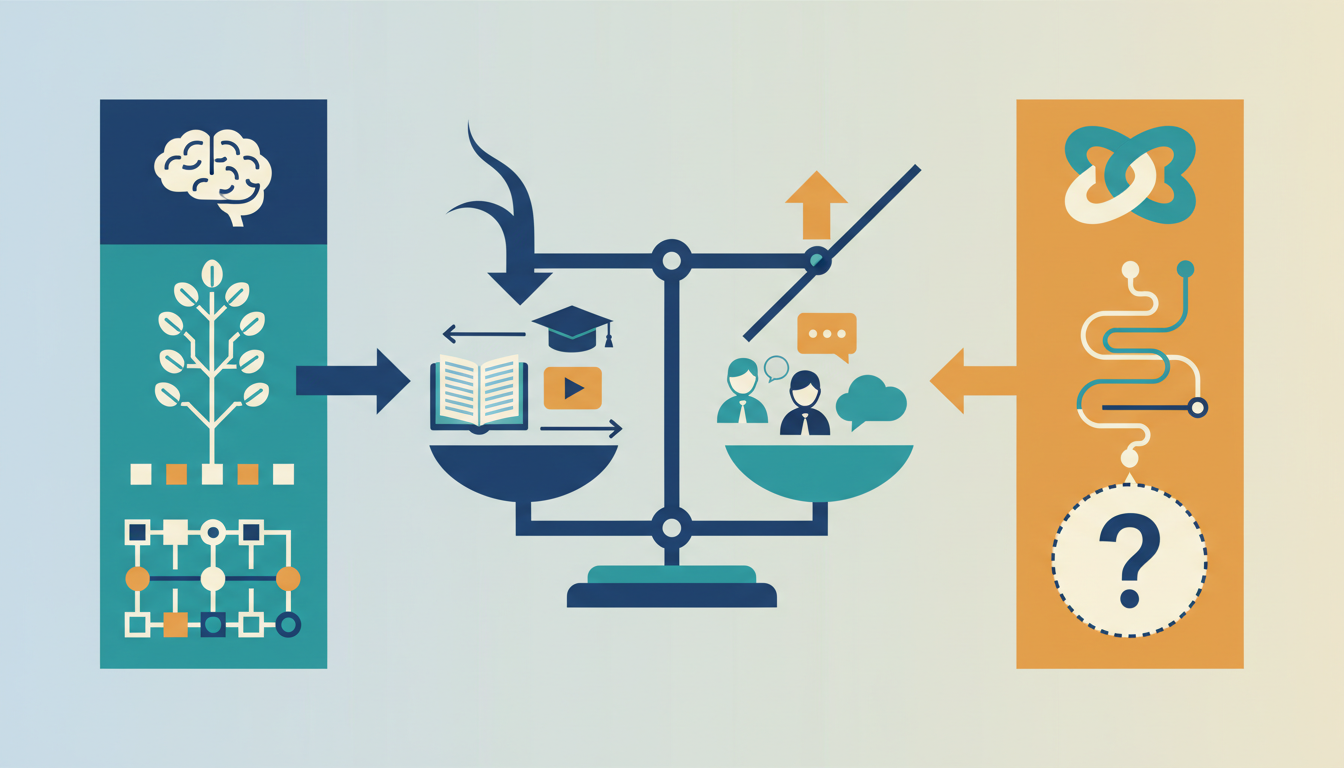
MasterClass generates 80% of total revenue through a subscription-only model that locks users into annual commitments rather than per-course purchases. This structure contrasts sharply with competitors like Udemy , where learners buy individual courses ranging from $9.99 to $199.99 based on immediate skill gaps. A comparison of access models reveals distinct economic trade-offs for relationship education seekers. While a Coursera user might spend $29 on one specific psychology module, MasterClass subscribers commit to the full $120 minimum regardless of utilization. This creates a sunk-cost flexible where members feel pressured to consume unrelated content to justify the annual fee. The unlimited access model works best for households requiring multi-device streaming or those seeking cross-disciplinary inspiration alongside clinical tools. Casual learners focused strictly on decoding relationship patterns may find the single course purchases available on rival platforms more financially efficient than a broad lifestyle subscription.
Using Dr. Amir Levine's Attachment Theory Class for Relationship Rewiring
Enrollment decisions hinge on whether a learner needs broad inspiration or accredited certification from a university partner. Dr. Amir Levine, a Columbia University psychiatrist applies clinical neuroscience to explain why partners repeat specific conflict cycles rather than solving them. His books *Secure* and *Attached* have sold more than 3 million copies, signaling established market trust in his diagnostic framework. The course teaches members to distinguish protest behaviors from genuine incompatibility, a distinction often missed in standard counseling. High-production value differentiates this content from technical skill platforms, prioritizing behavioral shifts over credentialing. Operators asking when to let go of a relationship receive tools to test emotional safety before terminating the bond. The platform differentiates itself through star power rather than the academic rigor found in university partnerships. This approach suits individuals seeking to understand internal patterns but fails those requiring the therapy or legal mediation. Subscription costs remain fixed regardless of usage frequency, creating inefficiency for users needing only single-topic intervention. Editorial Mission recommends this class for pattern recognition, not crisis management or divorce proceedings.
MasterClass Versus Udemy and Coursera for Relationship Education Value
The $399 annual fee for Coursera Plus exceeds the top-tier MasterClass Premium Plan, shifting the value calculation toward subscription breadth for non-accredited learners. Udemy allows purchasers to buy only specific technical skills during sales, making it cheaper for single-topic acquisition than any MasterClass tier. This pricing structure forces a decision between low-cost utility and high-production lifestyle inspiration. MasterClass differentiates itself with star power rather than the accredited degrees offered by university partners on rival platforms. The platform uses Dr. Amir Levine's clinical authority to drive engagement, whereas competitors prioritize syllabus depth over instructor fame. Operators seeking a recognized certificate for career advancement will find the subscription-only model insufficient compared to the university pathways. Conversely, individuals targeting behavioral modification benefit from the high-production value format that reduces cognitive load during complex emotional learning. The annual commitment creates a sunk-cost pressure that encourages completion, unlike the abandon-rate common in à la carte marketplaces. Selecting the right venue depends entirely on whether the learner requires a credential for a resume or a framework for personal stability.
About
Dr. Ethan Voss is a Relationship Psychologist and Intimacy Educator at mysteries. Love, specializing in the neuroscience of desire and adult attachment. His expertise makes him uniquely qualified to analyze how attachment styles dictate recurring relationship patterns. Drawing from his former clinical practice treating couples and his research at the University of Amsterdam, Dr. Voss bridges academic theory with practical intimacy education. His daily work involves helping individuals identify their specific attachment triggers and develop secure communication frameworks, directly mirroring the article's focus on breaking negative cycles. At mysteries. Love, he applies this deep psychological understanding to normalize conversations about connection and sexual wellness. By combining evidence-based research with hands-on guidance, Dr. Voss ensures that complex concepts like attachment theory are accessible and actionable for readers seeking deeper, lasting relationships. His background ensures every insight is grounded in both clinical reality and modern scientific understanding.
Conclusion
Scaling self-guided emotional curriculum reveals a critical fracture: subscription fatigue eventually outweighs the initial convenience of fixed-fee access when users fail to integrate daily practice. The operational cost here is not financial but temporal; maintaining a $120 annual membership without a structured implementation schedule leads to passive consumption rather than behavioral change. While pop culture references lower the barrier to entry, they cannot replace the granular feedback loops required for deep neural rewiring. Organizations and individuals must pivot from hoarding content to enforcing execution cadences within six months of purchase, or the investment yields zero return on emotional capital.
Commit to the subscription model only if you can dedicate thirty minutes weekly to active journaling and real-world application; otherwise, revert to à la carte purchases for immediate, isolated skill gaps. This distinction separates those who merely understand their patterns from those who actually alter them. The market shift toward recurring revenue demands that learners treat these platforms as active gyms, not passive libraries. Start by auditing your current learning subscriptions this week and cancel any service where you have not completed a practical exercise in the last fourteen days. This immediate triage stops the bleed of unused resources and forces a honest assessment of whether your current tools drive actual stability or just provide the illusion of progress.
Frequently Asked Questions
Your brain mistakes neural spikes from insecurity for romantic chemistry rather than a warning signal. This physiological error drives the attachment system to select partners who reinforce existing trauma loops involving 3 million sold copies of relevant books.
Anxious attachment drives protest behaviors and excessive overthinking when a partner fails to respond quickly. These actions stem from the brain treating separation as a survival threat, a pattern detailed in resources with 3 million copies sold globally.
Avoidant attachment creates distance through habits like withdrawing completely or focusing intensely on perceived flaws. This neural divergence explains why silence brings relief to them while causing panic in others, as described in bestselling books with 3 million copies.
These attachment styles remain flexible and are not fixed labels determined solely by your biology. Therapists apply neuroplasticity principles to reshape automatic circuits, proving that destiny is not dictated by early patterns discussed in books with 3 million copies.
Small shifts like checking in or confirming plans interrupt unhealthy cycles and set a stronger foundation. Consistent acts of care create stability and trust, moving beyond the failures analyzed in educational materials with 3 million copies sold worldwide.