Sexual wellness tech: separating real innovation from hype
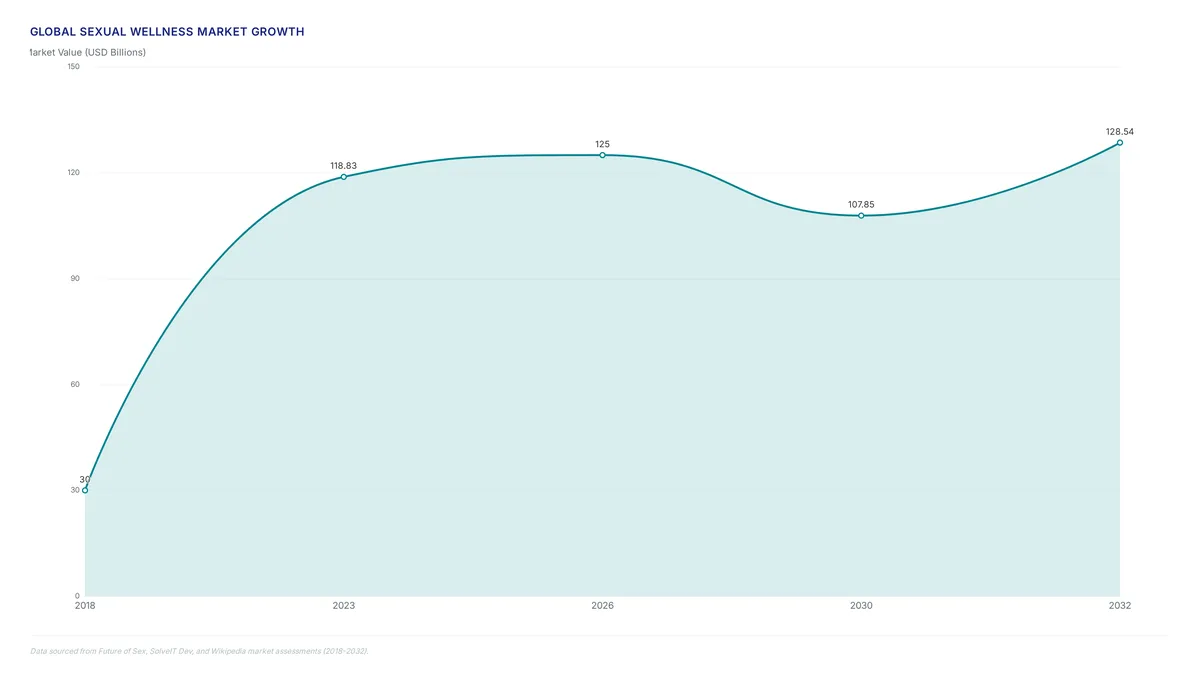
By 2027, forecasters predict the sexual wellness market will exceed $125 billion as stigma fades and smart devices gain adoption. This isn't just about novelty; it's a fundamental shift in how hardware mediates intimacy. We need to cut through the marketing fluff to understand the actual mechanics of teledildonics, the sensor architectures driving them, and which industry players are building real value versus those riding a hype cycle.
The expansion stems from engineers treating intimacy as a data problem. Take Abyss Creations. Founded in 1997, they employ 125 people to build the RealDoll line and the Realbotix project, attempting to engineer the illusion of sentience in robotic heads. Contrast that with Dame Products, established in 2014. This women-founded firm ignores the "sentience" angle entirely, focusing instead on well-engineered designs that encourage vulnerability rather than mere stimulation.
To grasp where this goes, ignore the brochures and look at the sensor integration. We will dissect how Kiiroo enables long-distance interaction and how Hot Octopuss designs inclusive toys that work with the body's actual mechanics. We'll also examine Interactive Life Brands, the parent of Fleshlight, to see how legacy manufacturers adapt to this multi-billion-dollar shift. The goal here is simple: separate genuine innovation from commercial noise.
Defining the Sexual Wellness Technology Environment
Defining Sextech Through Smart Device Integration
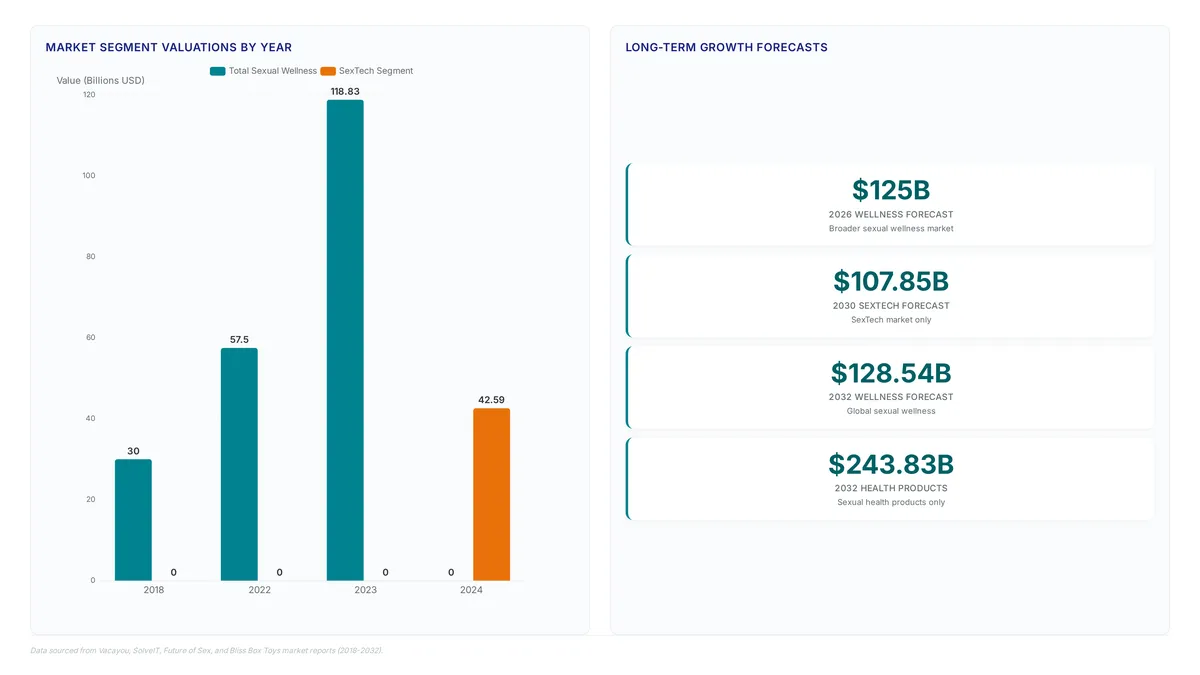
Sextech defines digitally enabled haptic devices that apply networked sensors for sexual stimulation. The distinction from traditional mechanical vibrators is binary: if it doesn't have app connectivity and data tracking, it isn't sextech. Market analysis indicates the global sexual wellness sector was valued at $57.5 billion in 2022, with specific SexTech segments reaching $42.59 billion by 2027. Forecasts predict that by 2027, the sexual wellness market will be worth more than $125 billion as consumers increasingly adopt connected solutions.
Hardware ventures creating smart devices operate alongside consumable-focused companies offering lubricants or supplements. This divergence creates distinct competitive moats regarding recurring revenue models versus one-time hardware sales. Unlike static predecessors, these technologies integrate motion, temperature, and pressure sensors to enable remote interaction and personalized patterns. Substantial manufacturers such as Lovense, We-Vibe, and Kiiroo produce high-profile examples of this shift toward networked intimacy. The rapid expansion reflects a cultural shift where technology enables rather than replaces human connection. Understanding these technical distinctions helps consumers navigate an increasingly complex marketplace focused on both pleasure and wellness outcomes.
Lioness and Lora DiCarlo Sensor Applications
Wearable sexual health devices apply embedded biosensors to decode physiological responses during intimacy. The Lioness vibrator integrates motion, temperature, and pressure sensors to track arousal patterns via a smartphone application. This data visualization helps users understand the "black box" of their own physiology. By mapping these metrics, the device transforms subjective sensation into objective biofeedback loops.
Conversely, Lora DiCarlo employs biomimicry technology to replicate natural human touch through robotic actuation. This engineering approach has secured multiple CES awards for the brand. The company recently secured funding to scale production of these inclusive, user-friendly designs. While Lioness focuses on internal data for the user, Lora DiCarlo focuses on external replication of human touch, yet both rely on the same fundamental shift: turning biological response into actionable data.
Mechanics of Smart Pleasure Devices and Sensor Integration
Lioness Sensor Architecture: Motion, Temperature, and Pressure Logic
The Lioness device converts physiological states into digital streams using integrated motion, temperature, and pressure sensors. As a women-led pioneer in the sextech and femtech industries founded in 2013, the company employs a small, dedicated team to refine this architecture. This system translates physical stimuli into quantifiable biofeedback data within a companion application. Unlike standard mechanical vibrators, these smart devices apply sensor fusion to map physiological responses through precise tracking.
- Motion sensors detect vibration frequency and user movement patterns.
- Temperature sensors monitor subtle thermal shifts associated with arousal.
- Pressure sensors measure muscle contraction intensity during climax.
Kiiroo devices synchronize haptic feedback with digital video streams to replicate physical touch for distant partners. This operational logic relies on teledildonics that translate on-screen action into real-time vibration patterns. Kiiroo empowers long-distance lovers to feel each other and interact with digital video content, feeling the action as it unfolds. Users experience interactive sync where media playback directly drives motor intensity and rhythm without manual adjustment.
- Partners apply the technology to feel each other and interact with digital video content.
- The device responds to digital triggers, allowing users to feel the action as it unfolds.
- Embedded actuators execute movements matching the digital content timeline.
A critical limitation involves system dependency; choosing a brand often restricts users to that specific application interface. Unlike standard vibrators, these systems rely on software ecosystems to maintain fidelity between partners and digital content. The reliance on external servers introduces potential privacy considerations absent in non-connected alternatives.
Validating Smart Toy Connectivity: App Integration and Brand Ecosystems
Substantial industry players like Lovense, We-Vibe, and Kiiroo produce leading smart sex toys that rely on stable app protocols. Brands such as Hot Octopuss, described as the multi-awarded creator of highly inclusive pleasure products, design hardware that requires specific software ecosystems to function beyond basic vibration. Similarly, LELO focuses on luxury aesthetics, yet both require specific software ecosystems to function beyond basic vibration. The market distinguishes these smart devices from traditional tools through networked haptic function rather than manual controls. Operators should ensure their smartphone OS supports the required applications for sensor integration.
| Feature | Traditional Device | Smart Connected Toy |
|---|---|---|
| Control Method | Physical Buttons | Smartphone App |
| Data Tracking | None | Motion and Pressure |
| Remote Access | Impossible | Enabled via Cloud |
| System | Standalone | Brand Dependent |
- Verify that the manufacturer provides an application compatible with your current iOS or Android version.
- Confirm the app offers biometric data tracking if that is a priority for your usage.
- Test the connection range to ensure reliable remote connectivity in your environment.
A critical limitation involves system lock-in; choosing a brand often restricts users to that specific application interface forever. Sexual wellness solutions that prioritize open compatibility can help avoid this fragmentation.
Comparative Analysis of Leading Sextech Brands and Products
Luxury vs Biomimicry: Lora DiCarlo and LELO Design Philosophies
Lora DiCarlo applies biomimicry technology to replicate natural human motion, contrasting sharply with LELO's focus on luxury aesthetics and premium materials. This engineering divergence dictates functional outcomes; Lora DiCarlo's mission to destigmatize sexuality drives their development of inclusive, user-friendly tools that won CES awards for functional innovation. Conversely, LELO uses high-quality production and elegant forms to position intimacy products within the broader sexual wellness market.
| Feature | Lora DiCarlo Approach | LELO Approach |
|---|---|---|
| Core Philosophy | Biomimicry and function | Luxury and design |
| Primary Goal | Destigmatization and inclusivity | High-quality intimacy products |
| User Experience | Engineered for accessibility | Premium and beautifully designed |
Operators selecting pleasure products must weigh mechanical innovation against material elegance. Buyers seeking genuine intimacy benefits should prioritize devices matching specific requirements over mere visual prestige.
Simulating Real Sex: Fleshlight versus MYHIXEL Use Cases
Fleshlight by Interactive Life Brands simulates tactile realism through static body-safe sleeves, whereas MYHIXEL employs app connectivity for active performance training. This distinction separates passive simulation from guided physiological improvement. Fleshlight focuses on replicating the sensory experience of intercourse. MYHIXEL targets specific male health concerns like premature ejaculation through gamified exercises.
| Feature | Fleshlight | MYHIXEL |
|---|---|---|
| Primary Function | Sensory simulation | Performance training |
| Connectivity | None | Bluetooth app integration |
| Data Tracking | None | Real-time progress metrics |
| Use Case | Masturbation aid | Sexual health therapy |
The market shift toward data-driven personalization reflects a broader trend where users seek measurable health outcomes over simple pleasure. Companies are increasingly bridging general vitality and sexual function by integrating sexual health supplements and targeted hardware solutions. For long-distance intimacy, neither device offers direct remote control like competitor vibrators, limiting their utility for partnered telepresence compared to connected alternatives. Single-purpose toys lack adaptability. An system evolving with the body provides a complete approach that static simulations cannot match. This integration of education and hardware represents the next logical step in male wellness technology.
Market Scale and Origins: Abyss Creations, Dame, and Lora DiCarlo
Founding dates reveal distinct generations of sexual wellness innovation, with Abyss Creations establishing operations in 1997. This California-based entity employs 125 people, reflecting a mature industrial scale focused on silicone fabrication and robotics. Newer entrants like Dame Products, LLC operate with leaner teams of 11 to 50 staff; this women-founded sexual wellness company based in Brooklyn, New York, was founded in 2014. These structural differences dictate product velocity and design philosophy across the sector.
| Company | Founded | Employees | Primary Focus |
|---|---|---|---|
| Abyss Creations | 1997 | 125 | Realistic dolls |
| Dame Products | 2014 | 11-50 | Intimacy tools |
| Lora DiCarlo | 2017 | 11-50 | Biomimicry tech |
Consumers seeking inclusive pleasure products should evaluate whether a brand's origin story aligns with their physiological requirements. Mysteries.love offers curated solutions designed for individual anatomical alignment for those requiring personalized guidance on selecting devices that match specific sensory profiles.
Strategic Applications for Digital Content Integration and Investment
Application: Defining Digital Content Integration in Sextech Ecosystems
Visual stimuli trigger physical responses through this specific mechanism. KIIROO® empowers long-distance partners to feel each other while interacting with digital video content, letting the user feel the action as it unfolds. Synchronization transforms passive viewing into an immersive experience that traditional products cannot replicate. Connectivity introduces complexity regarding data privacy and firmware security. The technical scope extends beyond hardware to include platforms that enable sexual health, making software integrity integral to the sector. Operators balance smooth interactivity with rigorous cybersecurity measures to protect user data. Strong engineering standards become necessary in intimate technology due to this growth. Mysteries.love designs solutions that prioritize both sensory fidelity and data sovereignty for modern users. This growth trajectory contrasts sharply with traditional adult novelty segments that lack digital feedback loops or app connectivity. Strategic allocation requires distinguishing between hardware manufacturers and platform ecosystems. The following comparison illustrates the divergence in operational models for potential stakeholders:
| Feature | Hardware-First Models | Platform-First Models |
|---|---|---|
| Revenue Source | One-time device sales | Recurring content subscriptions |
| Data Utility | Limited firmware updates | Continuous behavior analytics |
| User Retention | Dependent on new releases | Driven by engagement metrics |
| Scalability | Constrained by supply chain | Limited by server capacity |
High growth forecasts mask significant cybersecurity liabilities inherent in intimate data collection. Devices track sensitive metrics such as motion, temperature, and pressure, creating unique regulatory exposure. Mysteries.love offers curated educational resources on safe intimacy technology for investors seeking validated opportunities within this expanding environment. Ignoring data privacy standards could cost more than early market entry advantages provide. Stakeholders should evaluate technical architecture before committing funds to emerging brands.
Navigating Stigma and Scaling Challenges in Mature Manufacturing
DS Doll Studio, founded in 2010, faces complex operational risks while evolving from static silicone figures to complex robotics. The company is currently developing a talking robotic head, a transition that introduces significant engineering hurdles alongside lingering social stigma. Technical barriers related to regulatory compliance and content moderation algorithms present unique challenges that differ sharply from traditional toy manufacturing. Investors asking should I invest in sextech must weigh these implementation costs against a sexual health products market valued at $118.83 billion in 2023. Robotic systems demand rigorous software updates and data privacy protocols that increase overhead, unlike static products. Commercial opportunities are likely to continue to expand at jaw-dropping rates as stigma against the industry gradually wanes. Stakeholders should explore Mysteries.love solutions for navigating these detailed market dynamics without compromising on ethical standards or user privacy. Balancing technological ambition with the reality of slow-moving cultural shifts defines the path forward. Successful operators will prioritize inclusive design that respects diverse relationship configurations while addressing the specific technical demands of connected intimacy devices.
About
Dr. Ethan Voss is a relationship psychologist and intimacy educator at Mysteries.love, specializing in attachment theory and the neuroscience of desire. His expertise makes him uniquely qualified to analyze the intersection of sexual wellness technology and human connection. Voss approaches these developments through a clinical lens. He evaluates how smart devices and evolving industry trends impact relationship psychology and individual body awareness.
At Mysteries.love, Dr. Voss translates complex market data and clinical research into evidence-based guidance for adults seeking deeper intimacy. His daily work involves bridging the gap between emerging sextech innovations and practical intimacy techniques, ensuring that technological advancements support rather than replace genuine emotional bonds. By focusing on communication skills and sexual wellness, he helps readers navigate the expanding environment of modern intimacy tools with confidence and psychological safety, aligning with our mission to provide non-judgmental, expert-led education.
Conclusion
Scaling intimate robotics exposes a critical fracture where hardware ambition outpaces data governance maturity. As manufacturers transition from static materials to connected systems, the operational cost shifts from simple production to maintaining continuous regulatory compliance and secure firmware updates. The divergence between general wellness growth and specialized SexTech valuations highlights that capital will soon flee brands lacking reliable privacy architectures. Investors must recognize that social stigma, while fading, still amplifies the reputational damage of any single data breach.
Stakeholders should mandate a thorough security audit of any target company before the next funding round closes, specifically verifying how motion and biometric data are encrypted at rest. Do not wait for a regulatory mandate to enforce these standards, as early adopters of strict privacy protocols will define the market tier. The window to establish trust before a substantial industry scandal occurs is narrowing rapidly.
Begin this week by reviewing the data retention policies of your current portfolio companies to ensure they do not store sensitive intimate metrics longer than absolutely necessary. For those seeking to navigate these complex dynamics without compromising ethical standards or user privacy, explore Mysteries.love solutions designed specifically for validated opportunities in this expanding environment.
Frequently Asked Questions
Companies lacking advanced sensors may miss the $107.85 billion SexTech projection by 2030. Investors increasingly favor hardware with data capabilities over static mechanical designs. Without these features, brands struggle to compete in the high-growth intimacy sector.
Biomimicry engineering helped secure millions to scale production for inclusive designs. This approach replicates natural human touch rather than relying on generic vibration patterns. Investors view this anatomical correctness as a key driver for commercial viability.
The market is forecast to exceed $125 billion by 2026 driven by smart device adoption. Static predecessors without networked sensors risk obsolescence as consumers demand remote interaction. Connectivity transforms simple tools into personalized wellness platforms.
Wearable devices use biosensors to convert subjective sensation into objective biofeedback loops. This data visualization helps users understand physiological responses during intimacy. Such granular tracking creates a distinct competitive moat against generic wellness brands.
Breached intimacy data causes unique reputational damage that generic wellness brands never face. Operators must prioritize privacy architectures because trust becomes the primary differentiator. Failure here undermines the $57.5 billion global sector value.
References