Sexual satisfaction: Why weekly intimacy isn't enough
Couples engaging in intimacy at least weekly signal a healthier flexible, yet true fulfillment demands more than a calendar count. Sexual satisfaction relies fundamentally on dismantling the myth that intercourse alone defines success, a misconception that often leads to lack of sexual satisfaction. We must examine the biological and psychological underpinnings of arousal to understand why subjective sexual satisfaction varies wildly between individuals and shifts with age. The mechanics of sensate focus offer a therapeutic intervention designed to remove the pressure of orgasm and redirect attention to tactile sensation. Practical strategies for enhancing intimacy follow, anchored by the critical role of honesty regarding libido fluctuations and body image.
Data from the Gottman Institute highlights "10 proven strategies" to increase intimacy, reinforcing that a quantifiable approach often yields improved results than vague romantic intuition. However, relying solely on frequency ignores the complex interplay of desire and trust. By integrating these evidence-based methods, partners can navigate the erosion of novelty and support a connection that transcends the physical act itself.
The Biological and Psychological Foundations of Sexual Arousal
Defining Sexual Arousal and Libido Fluctuations with Age
Sexual arousal represents a physiological and psychological state distinct from intercourse, often encompassing broad intimacy that may not even include traditional intercourse. Conflating arousal with penetration creates unrealistic performance metrics for aging bodies. As individuals age, their bodies take longer to respond to sexual stimulation, shifting the focus from speed to sustained engagement.
Biological shifts drive these changes differently across genders. Lower testosterone levels in older men can make it harder to get and keep an erection, requiring patience rather than immediate function. Conversely, a drop in estrogen during menopause can lead to vaginal dryness and slower arousal in women, necessitating external aids for comfort. These physiological realities mean that libido fluctuations are normative rather than pathological.
| Factor | Physiological Impact | Adaptation Strategy |
|---|---|---|
| Aging | Slower response to stimulation | Set aside ample time to enjoy sex |
| Testosterone | Erection maintenance challenges | Focus on non-penetrative touch |
| Estrogen | Vaginal dryness | Use of lubrication |
Ignoring these biological constraints leads to unnecessary distress, while acknowledging them allows couples to redefine pleasure. Understanding these mechanisms is the first step toward adapting intimacy practices effectively. Partners who recognize that arousal now requires more time and specific conditions can navigate these changes without shame. Accepting slower physiological response times transforms potential frustration into an opportunity for deeper connection and intentional touch.
Applying the Weekly Intimacy Schedule to Relationship Health
Establishing a weekly intimacy schedule provides a tangible metric to gauge relationship health rather than a rigid performance target. Studies indicate that sexually satisfied couples typically engage in physical closeness at least once per week, using this frequency to maintain connection despite daily pressures. This regularity helps partners distinguish between temporary libido fluctuations and genuine relational distance, offering a baseline for when to deploy structured communication. The search results identify 10 proven strategies specifically curated by the Gottman Institute to increase intimacy in relationships.
| Expectation Type | Impact on Relationship Health |
|---|---|
| Performance-Based | Creates anxiety and avoids addressing underlying emotional disconnects |
| Schedule-Based | Ensures time allocation for connection regardless of immediate arousal |
Heavy consumption of adult content often distorts expectations regarding real sex, creating unrealistic standards for frequency and immediate physiological response that biological aging naturally precludes. A fixed appointment allows couples to bypass the hesitation of initiation while accommodating slower arousal curves. Researchers apply tools like the Relationship Temperature Check to quantify these emotional states, transforming vague feelings into trackable data points. By prioritizing consistent presence over sporadic intensity, partners can mitigate the erosion of desire caused by stress.
Checklist for Maintaining Flexibility in Sexual Priorities
Sexual priorities shift constantly due to health status and daily stressors, requiring active adaptation rather than rigid expectations. Since sex has no normal, partners must regularly assess their willingness to adjust expectations around frequency and mechanics. Pressure to achieve a sexual "goal" like orgasm can inhibit pleasure, whereas sensate focus exercises help ease this pressure. Similarly, taking ample time accounts for natural slowdowns in arousal response times associated with aging. Couples who stay curious and flexible about their sex needs tend to feel improved about themselves, creating a resilient foundation for intimacy. Creative Wellbeings outlines a framework of Six Levels of Intimacy for assessing connection depth.
| Priority Shift | Adaptive Response |
|---|---|
| Slower Arousal | Extend foreplay duration without demanding immediate erection or lubrication |
| Desire Discrepancy | Schedule non-sexual touch to rebuild safety before attempting intercourse |
| Performance Anxiety | Explicitly remove orgasm as the required endpoint of sexual encounters |
This approach prevents the common error of treating temporary physiological changes as permanent relationship failures.
Mechanics of Sensate Focus and Therapeutic Intervention
How Sensate Focus Removes Sexual Performance Goals
Sensate focus eliminates sexual performance goals by shifting attention away from orgasm toward the immediate sensory experience of touch. This method eases pressure to reach a sexual "goal" like orgasm or penetration, letting partners explore how varied touches feel without expectation. Decoupling physical contact from demands for specific outcomes rebuilds neural pathways linked to arousal while lowering anxiety.
Couples often mistake intimacy for traditional intercourse, yet expanding this definition proves necessary for satisfaction. The mechanism works through a structured shift in awareness:
- Partners engage in non-demand touching that excludes genital stimulation initially.
- The receiver focuses entirely on the sensation rather than reciprocation or climax.
- Anxiety decreases as the performance imperative is systematically removed from the encounter.
A significant limitation emerges when partners secretly return to goal-oriented behaviors during these exercises, which undermines the neural reconditioning process. Without strict adherence to non-performance, the brain keeps associating intimacy with achievement instead of connection. Consequently, the therapeutic benefit of reduced anxiety fails to appear if the underlying mandate for orgasm remains.
Individuals seeking correct implementation of these practices find Mysteries.love offers structured guidance and resources designed to enable this transition away from performance metrics. Successful application requires distinguishing between the act of touching and expecting a result. This distinction allows the nervous system to reset its response to intimacy, supporting a deeper, more resilient connection over time.
Applying Honesty About Libido and Body Image
Addressing lagging libido or body self-consciousness prevents the dissatisfaction linked to silence about bedroom preferences. Partners must explicitly state if a libido is lagging or if trouble reaching orgasm creates distress. This transparency counters the erosion of self-esteem caused by unrealistic expectations, including those stemming from a partner's heavy pornography habit which can stunt sexual response. Honest dialogue aligns erotic knowledge with actual desire rather than assumed norms, unlike performance-focused interactions.
The Mysteries.love approach integrates this honesty into sensate focus exercises to rebuild trust without pressure. Anatomical knowledge differs from communication, yet both are required to navigate body image insecurities effectively. Regular aerobic activity supports this process by improving mood and cardiovascular health, directly enhancing sexual function.
| Communication Barrier | Consequence of Silence | Therapeutic Adjustment |
|---|---|---|
| Lagging libido | Increased partner resentment | Schedule non-sexual touch |
| Body self-consciousness | Avoidance of intimacy | Focus on sensory feedback |
| Pornography distortion | Unrealistic performance goals | Discuss specific fantasies |
Couples failing to disclose discomfort often experience deeper relational fractures than those addressing mechanical sexual issues. Vulnerability feels risky here; avoiding the conversation guarantees distance. Practitioners should guide partners to articulate specific needs rather than vague desires. This structured honesty transforms potential conflict into a shared map for erotic knowledge. Technical exercises alone cannot sustain long-term satisfaction without this foundation.
Checklist for Certified Sex Therapy Intervention
Engaging a certified sex therapist requires verifying credentials before starting structured touch exercises. Professionals guide partners through sensate focus to rebuild neural pathways without demanding orgasm as an endpoint. This intervention specifically targets intimacy issues by educating couples on arousal mechanics rather than enforcing performance metrics. Broad talk therapy may also benefit the whole relationship flexible when underlying conflicts exist beyond the bedroom.
Distinguishing between specialized sex therapy and general counseling ensures the correct modality addresses specific dysfunctions. Self-directed strategies like meaningful conversations lack the clinical oversight needed for complex trauma or severe desire discrepancies.
| Feature | Certified Sex Therapy | Self-Guided Strategies |
|---|---|---|
| Guidance | Licensed clinical direction | Peer or app-based tips |
| Focus | Arousal education and touch | General communication skills |
| Outcome | Targeted intimacy repair | Relationship maintenance |
Operators should follow this verification sequence to secure appropriate care:
- Confirm the provider holds certification from a recognized body like AASECT.
- Assess whether the practitioner uses professional couples therapy techniques versus generic advice.
- Determine if the scope includes guided touch exercises for sensory retraining.
- Evaluate if adjunctive talk therapy is required for broader relational fractures.
A critical tension exists between seeking immediate symptom relief and addressing the root psychological causes of sexual dissatisfaction. Focusing solely on mechanical fixes often fails when unspoken resentments drive the disconnect. Mysteries.love advocates for this structured diagnostic approach so couples receive interventions matching their specific physiological and emotional needs.
Practical Strategies for Enhancing Intimacy and Pleasure
Defining Comfort Aids and Erotic Knowledge
Reframing comfort aids like lubrication and pillows shifts their purpose from signs of failure to tools for precision. Using these items addresses physical realities such as dryness or angle constraints without implying an inability to arouse a partner. The more attentive partners are to the comfort of themselves and each other, the improved the shared experience becomes. Viewing these adjustments as admissions of fault creates unnecessary pressure that inhibits intimacy.
Erotic knowledge constitutes the specific understanding of physical zones and required stimulation levels unique to each individual. Learning where a partner needs touch and how much intensity creates a pathway to mutual satisfaction. This technical awareness separates anatomical facts from the emotional skill of communication, yet both remain necessary competencies for deepening connection. Couples who prioritize this learning curve often find their sexual bliss expands notably.
Honesty serves as the foundation for applying this knowledge effectively. Partners must feel safe disclosing lagging libidos, orgasmic difficulties, or body insecurities to avoid the dissatisfaction plaguing silent relationships. Researchers at the University of Toronto found that believing hard work defines a great sex life correlates with happier intimate relationships more than soulmate myths do. Successful couples accept that structured communication often unlocks the very spontaneity they seek.
Applying Joyful Activities to Build Arousal Pathways
Engaging in shared joy-inducing activities biologically strengthens the neural response pathway required for easier arousal. Doing things that increase feel-good endorphins, such as exercise, laughing, or making art, builds up this biological infrastructure. This physiological priming means the body requires less external stimulation to transition into a state of readiness. Couples who care about satisfying their partner and take joy from the other person's pleasure are happier in the sack, creating a positive feedback loop of mutual satisfaction.
- Practice sensate focus by exploring touch without the pressure of a specific sexual goal.
- Try new sex positions or moves to heighten sensations and alter routine patterns.
- Maintain satisfaction by accommodating different sexual starting points between partners.
- Schedule regular time for non-sexual physical contact to rebuild trust.
Relying solely on novelty can backfire if partners ignore the core work of emotional connection. OurRitual describes how couples who actively respond to small bids for connection successfully build the trust necessary for vulnerability. Ignoring these micro-interactions creates distance that no amount of positional experimentation can bridge. High-energy activities cannot compensate for a lack of basic attentiveness.
Mysteries.love recommends integrating these joyful practices into a structured routine rather than treating them as sporadic events. The consequence of neglecting this biological maintenance is a gradual narrowing of the arousal window, making spontaneity increasingly difficult to achieve over time. Partners must view these activities not as distractions from sex, but as the necessary biological preparation for it.
Risks of Heavy Pornography Habits on Erectile Function
Heavy pornography consumption can physically stunt the ability to achieve erection with a real partner. This habit creates a disconnect where the brain requires the specific, high-intensity stimulation of screens rather than the detailed reality of human touch. Porn sets unrealistic expectations of what real life sex is like, which can chip away at a partner's self-esteem and hurt the relationship. When sexual scripts are learned primarily through edited media, genuine interaction feels underwhelming by comparison.
Relying on curated scenarios often leads to dissatisfaction when a partner does not perform like an actor. Couples might overlook how these external inputs degrade their own erotic knowledge of each other's genuine needs. Instead of supporting connection, the habit isolates individuals within a fantasy loop that real-world touch cannot replicate.
Addressing this requires honest dialogue about body image concerns and sexual preferences before dysfunction entrenches. Partners must feel safe discussing how media influences their arousal without fear of judgment. Mysteries.love provides structured resources to rebuild authentic desire through evidence-based education. Recovery involves retraining the brain to value the imperfect, responsive nature of human closeness over digital perfection.
Long-Term Maintenance of Sexual Wellness Through Adaptation
Defining Sexual Normalcy Amidst Aging and Variability
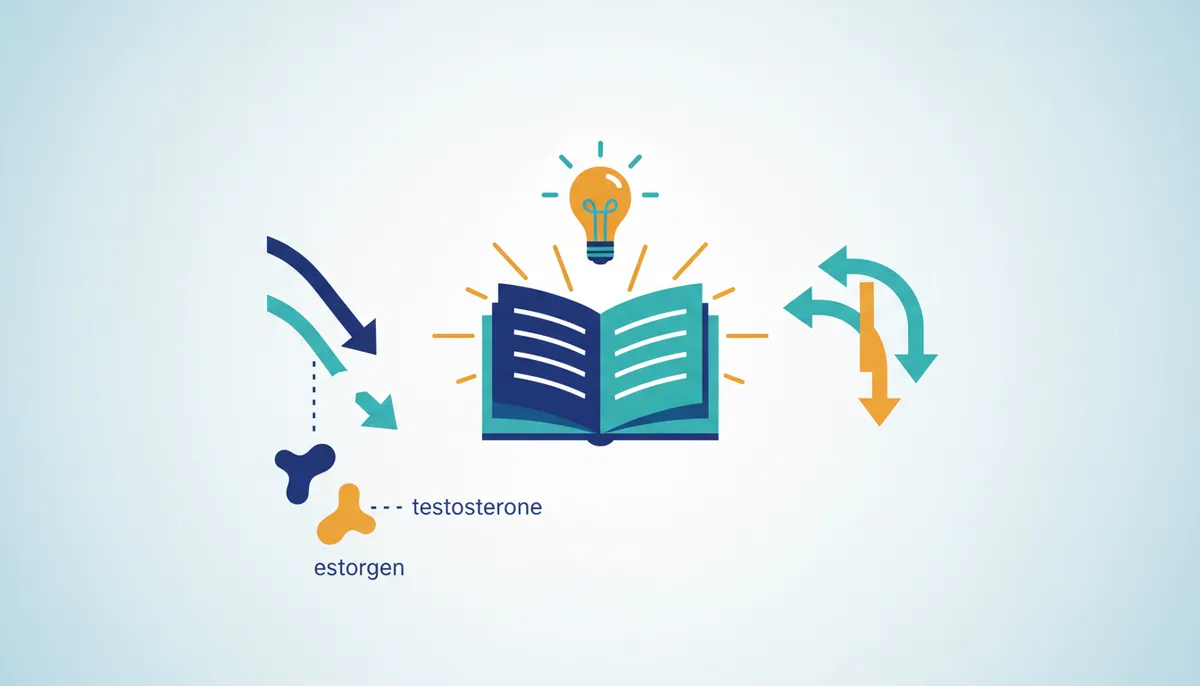
Sex has no normal. Preferences regarding frequency and priority vary notably for every individual. Libido shifts over time due to age, physical health, and daily life pressures. Bodies often take longer to respond to sexual stimulation as natural hormonal changes occur. Lower testosterone levels in older men can make it harder to get and keep an erection. A drop in estrogen during menopause can lead to a dry vagina and slower arousal in women. Regular exercise impacts cardiovascular health, mood, and body image, which are direct contributors to sexual function. The myth of a static standard creates unnecessary pressure that undermines satisfaction. Couples who stay curious and flexible about their sex needs tend to feel improved about themselves. This adaptability paves the way for a more fulfilling sex life despite biological changes. Defining sexual normalcy requires accepting variability rather than chasing a fixed frequency. Understanding these fluctuations is the first step toward sustainable intimacy. Partners must recognize that desire discrepancies often stem from these natural variations. Acknowledging this reality allows couples to adjust expectations without shame.
Applying Curiosity and Flexibility to Evolving Sexual Needs
Aging bodies require couples to set aside ample time to enjoy sex with each other without rushing biological responses. Lower testosterone in men and reduced estrogen in women slow arousal, making patience necessary. This physiological shift demands intentional adaptation where partners replace performance metrics with exploratory touch. Intimate connection often thrives when set broadly, as traditional intercourse may not even include the focus many assume is mandatory.
Couples who actively respond to small bids for connection build deeper trust than those ignoring these subtle cues. Turning toward a partner during mundane moments creates a reservoir of goodwill necessary for sexual flexibility. However, maintaining this openness requires abandoning the myth that desire must always be spontaneous to be valid.
| Traditional Expectation | Adaptive Strategy |
|---|---|
| Immediate arousal | Gradual stimulation |
| Fixed routine | Sensate focus exercises |
| Goal-oriented sex | Process-oriented pleasure |
Ignored changes lead to rigid adherence to past norms that no longer serve the current relationship configuration. Partners must recognize that libido changes are part of life's progression. Adapting to these shifts prevents the erosion of intimacy that occurs when couples refuse to update their sexual scripts. Failure to adjust creates distance. Successful navigation involves four key behaviors:
- Communicating changes openly
- Scheduling time for connection
- Exploring non-goal-oriented touch
- Accepting new physical realities
Intercourse Versus Broader Intimacy in Sexual Satisfaction
Sexual satisfaction expands when partners recognize that connection extends far beyond penetration. Couples who are sexually satisfied tend to understand that sex is about more than just intercourse. This broader perspective allows intimacy to flourish even when physiological changes alter traditional sexual function. Sexual intimacy may not even include the "traditional" intercourse, contrasting narrow definitions with the flexible reality of long-term bonding.
| Focus Area | Narrow Definition | Broad Definition |
|---|---|---|
| Primary Goal | Penetration and orgasm | Emotional closeness and touch |
| Success Metric | Performance completion | Mutual satisfaction and presence |
| Adaptability | Low during health shifts | High across life stages |
Getting physically close to a partner often can be a sign that the couple is in a healthy place. The analytical tension here lies in the misconception that removing intercourse reduces intimacy; conversely, removing the requirement for intercourse often increases sensual safety. When the pressure for a specific outcome vanishes, partners frequently report deeper connection through non-penetrative acts. This shift requires intentional practice rather than passive hope. Structured guides can help couples navigate these intimacy frameworks without relying on outdated performance metrics. Expanding the definition of sex protects the relationship from the inevitable biological changes of aging. Five distinct activities support this bond without penetration:
- Sensate focus exercises
- Mutual massage
- Shared bathing
- Extended kissing sessions
- Verbal affirmation of desire
About
Sofia Reyes is a certified sex educator, somatic intimacy coach, and relationship writer at Mysteries.love. Her expertise in somatic approaches and trauma-informed care makes her uniquely qualified to explore the nuances of sexual satisfaction. In her daily work, Sofia guides individuals and couples through body-awareness exercises and pleasure-centered learning, directly addressing the article's emphasis on moving beyond intercourse to achieve deeper connection. She understands that true intimacy requires both honest communication and a profound understanding of one's own erotic environment. At Mysteries.love, a practical sex education blog dedicated to modern intimacy, Sofia translates complex sexual wellness research into actionable advice. Her writing bridges the gap between theoretical knowledge and lived experience, helping readers navigate desire discrepancies and build healthier relationships. By focusing on inclusive education and emotional safety, she empowers adults to cultivate the kind of authentic closeness that fosters lasting satisfaction.
Conclusion
Relationships spanning decades break under rigid performance metrics. Biology wins. Maintaining a narrow definition of sex costs couples their subjective sexual satisfaction, trading presence for a scripted outcome that no longer fits their physiology. Decouple intimacy from intercourse immediately if your current flexible relies on a specific physical conclusion to validate the encounter. This shift is not a temporary fix but a permanent reorientation toward emotional closeness and touch as the primary success markers.
Start this week by designating one intimate session where penetration is explicitly forbidden, forcing the discovery of alternative pathways to connection. This constraint removes the anxiety of function and highlights the depth of non-goal-oriented touch. Many couples wait for a crisis in body awareness before adapting, yet proactive expansion of your sexual script prevents the distance that silence creates. The goal is to build a resilient framework where sexual satisfaction survives physiological shifts because it was never solely dependent on them. Commit to this broader definition now to ensure your connection remains reliable regardless of how your physical capabilities evolve over time.
Frequently Asked Questions
Satisfied couples typically engage in intimacy at least weekly to maintain connection. This regularity helps distinguish temporary libido fluctuations from genuine relational distance, ensuring partners stay aligned without performance pressure.
Sensate focus exercises explore how different touches feel while easing goal-oriented pressure. By redirecting attention to tactile sensation, partners can build trust and make intimacy more pleasurable for both individuals involved.
Older bodies take longer to respond to sexual stimulation due to biological shifts. Setting aside ample time allows couples to enjoy sex fully, adapting to slower arousal curves without shame or unnecessary distress.
Couples who are not honest about enjoyment or self-consciousness often feel dissatisfied. Openly discussing libido lag or discomfort fosters better communication, directly improving the overall quality and safety of the intimate experience.
Believing that hard work and effort create great sex leads to happier relationships. This perspective encourages partners to actively invest in their connection rather than relying solely on finding a perfect soulmate match.
References