Sexual desire surges in pregnancy's second trimester
Nearly half of pregnant women report a surge in desire even as overall sexual frequency plummets by the third trimester. Biology peaks exactly when mechanics fail. Nausea fades, blood volume swells, and arousal spikes, yet mechanical barriers and fatigue create a massive disconnect. Hiding this hypersexual phase to avoid perceived obligation erodes trust faster than an awkward conversation ever could.
We must confront the biological reality: increased pelvic blood flow fuels libido during the second trimester, shattering the myth that pregnancy universally kills desire. Then we apply strategic communication frameworks to discuss divergent needs without triggering defensiveness or framing sex as marital debt.
PubMed data confirms a gradual decline in sexual behavior throughout pregnancy, but clinical observations isolate weeks 14 through 27 as a distinct "honeymoon phase" driven by hormonal shifts. When one partner hides a three-month uptick in libido while the other fixates on infrequency, the relationship fractures under unspoken expectations. You must separate physiological urgency from emotional pressure before the impending arrival of a child permanently alters the flexible.
The Biological and Emotional Reality of Libido During Pregnancy
Defining the Second Trimester Libido Surge and Pelvic Rest
Weeks 14 through 27 mark the second trimester, a distinct clinical window where sexual desire often peaks because nausea finally subsides. Approximately 46% of pregnant women report experiencing a seriously increased libido during this specific honeymoon phase. Hormonal surges drive this shift alongside a gain of three pounds in blood volume, which increases pelvic congestion and heightens arousal sensitivity. Medical mandates for pelvic rest required by conditions like placenta previa frequently clash with this physiological readiness.
Fantasy content rarely matches actionable desire. Consuming more erotic material often acts as a pressure valve instead of a request for specific acts. Tension spikes when one partner interprets a heightened fantasy life as an invitation for intercourse despite physical contraindications. Confusing internal arousal with external capability generates unnecessary relational friction. Partners frequently misread the surge as a return to baseline function while overlooking that mandated pelvic rest strictly prohibits penetration regardless of desire levels. Perceived rejection or pressure damages intimacy when this mismatch occurs. Frame this period as a time for non-penetrative connection to align biological reality with relationship expectations without violating medical orders.
Distinguishing mutual care from a "free use" kink contract defines sexual obligation during physical limitations. Dan Savage argues that sexual exclusivity without activity constitutes celibacy, not monogamy, creating a duty to meet reasonable needs at reasonable intervals. A specific case from March 2026 illustrates a pregnant partner hiding a three-month libido spike to avoid pressure after a conflict. Secrecy transforms potential intimacy into isolation since the non-pregnant partner interprets silence as rejection rather than protective caution. Couples face tension between honoring medical constraints like mandated pelvic rest and addressing emotional distance caused by unshared desire. Bringing up sexual needs during pregnancy demands timing that separates biological capability from relational expectation. Free digital tools like a symptom checker help assess emotional safety before initiating difficult conversations about frequency. Discussing fantasies involving degradation or mismatched dynamics risks re-triggering insecurity if the partner lacks context for the arousal source.
Withholding hypersexuality often penalizes both parties more than awkward disclosure. Communication frameworks must decouple obligation from entitlement to prevent the "slowdown in the sex department" from becoming permanent. Partners should negotiate specific windows for initiation that respect physical recovery while validating the non-pregnant spouse's need for connection. Resentment calcifies when couples ignore this balance, turning a temporary biological phase into a long-term relational deficit.
The obligation model collapses when third-trimester physiology drives a 92.6% reduction in libido between weeks 28 and 40. Static expectations of availability ignore the concurrent 94.2% reduction in clitoral sensitivity that physically decouples arousal from desire during this final gestational window. Fantasy content often diverges from realistic preferences because the brain seeks stimulation that the numb body cannot physically process. Treating commitment as fixed availability inflicts pain on partners experiencing profound sensory loss. Biology imposes the limitation; no amount of psychological reframing restores nerve function compressed by fetal positioning. Couples must redefine reasonable intervals to align with these measurable physiological drops rather than arbitrary calendar counts. Mandatory rest becomes emotional punishment for the pregnant partner when data gets ignored. Expectations built on second-trimester peaks become toxic liabilities later in the term. Partners interpreting silence as rejection fail to recognize the specific medical reality of sensory shutdown. Adaptive frameworks require abandoning linear progression models in favor of fluid responsiveness to somatic changes. Rigidity costs permanent relational damage during a temporary biological state.
The Mechanics of Rebuilding Trust After Sexual Rejection
Defining Sexual Obligation Versus Celibacy in Monogamous Contracts
Monogamous commitment mandates meeting reasonable sexual needs at intervals that respect biological constraints like pelvic rest. Dan Savage defines sexual obligation distinct from unenforceable "free use" contracts, framing exclusivity without activity as celibacy rather than marriage. This distinction clarifies why partners feel entitled to intimacy. The contract implies mutual availability unless physical barriers exist. Hiding a libido surge creates emotional distance by denying the partner context for the rejection. Silence fractures the bond.
Hormonal shifts involving oxytocin create exponential biological drives near term, yet secrecy prevents the couple from navigating these changes together. Treating silence as safety actually accelerates relationship decay by removing the possibility of negotiated compromise. Withholding fantasy disclosure perpetuates a cycle where the non-pregnant partner assumes disinterest rather than recognizing protective caution. Distinguishing obligation from coercion requires explicit dialogue about current capacity rather than assumed permanent refusal. One partner interprets desire as pressure. Defensive withdrawal mimics celibacy. The limitation of this framework arises when that withdrawal solidifies into a permanent state.
Secretive Porn Consumption and Sexting as Coping Mechanisms for Rejection
Secretive digital outlets like Sniffies or Grindr function as avoidance mechanisms that bypass direct conflict resolution between partners. A documented case involves a twenty-year relationship where one partner engaged in anonymous encounters while the other resorted to sexting strangers, creating a fracture in shared weekend time. Intimacy shifts from a collaborative repair process to isolated consumption. This flexible effectively institutes a parallel sexual life without consent. The husband in this scenario developed a specific attachment to a stranger met on Scruff, triggering jealousy not merely from the act but from the reallocation of couple time to anonymous interactions. Trust erodes quickly.
Replacing mutual initiation with anonymous validation prevents the couple from addressing the root cause of the distance. Partners often misinterpret this secrecy as a lack of attraction rather than a maladaptive coping strategy for rejection. Shifting the conversation from moral judgment to the mechanics of exclusion becomes necessary. Tools like the We-Vibe app offer a structured alternative for shared fantasy that maintains connection rather than severing it. Such technology enforces mutual presence unlike anonymous platforms. Sexual energy remains directed toward the relationship. Demanding vulnerability from a partner who currently feels unsafe initiating presents a significant hurdle. Digital alternatives become barriers rather than bridges without explicit agreement on boundaries. Restoring trust requires dismantling the secret life to rebuild a singular, transparent intimate sphere.
The Jealousy Trap When Private Fantasies Shift to Scheduled Meetups
Scheduled Sunday meetups with specific partners violate the implicit weekend reservation for primary couples, triggering immediate relationship instability. Anonymous weekday outlets function as pressure valves. Shifting to planned encounters with a single individual transforms a coping mechanism into a direct threat. A documented case shows a husband developing a thing with a guy he met on Scruff and making plans to meet this guy on a Sunday afternoon soon, which caused the primary partner to feel displaced despite prior acceptance of anonymous sex. This escalation breaches the unspoken agreement that nights and weekends remain reserved for the dyad. Research indicates a shift in focus from solely studying the pregnant woman's desire to including the partner's perspective, as seen in novelty studies examining sexual desire from both viewpoints. General medical articles focus solely on the pregnant woman's physiology. The Savage Lovecast explicitly addresses relationship dynamics and partner perspectives, including questions from partners about changing desires. Measurable emotional distance results. The original partner interprets the specific scheduling as a replacement rather than a supplement.
Distinguishing between private fantasy consumption and the reallocation of shared temporal resources is necessary. Jealousy stems from lost exclusivity in time, not sexual acts. Recognizing this difference allows couples to navigate complex desires without destroying their foundation. The 2026 environment of relationship advice continues to evolve around these detailed distinctions.
Strategic Communication Frameworks for Discussing Sexual Needs
Distinguishing Reasonable Sexual Needs from Unenforceable Kink Contracts
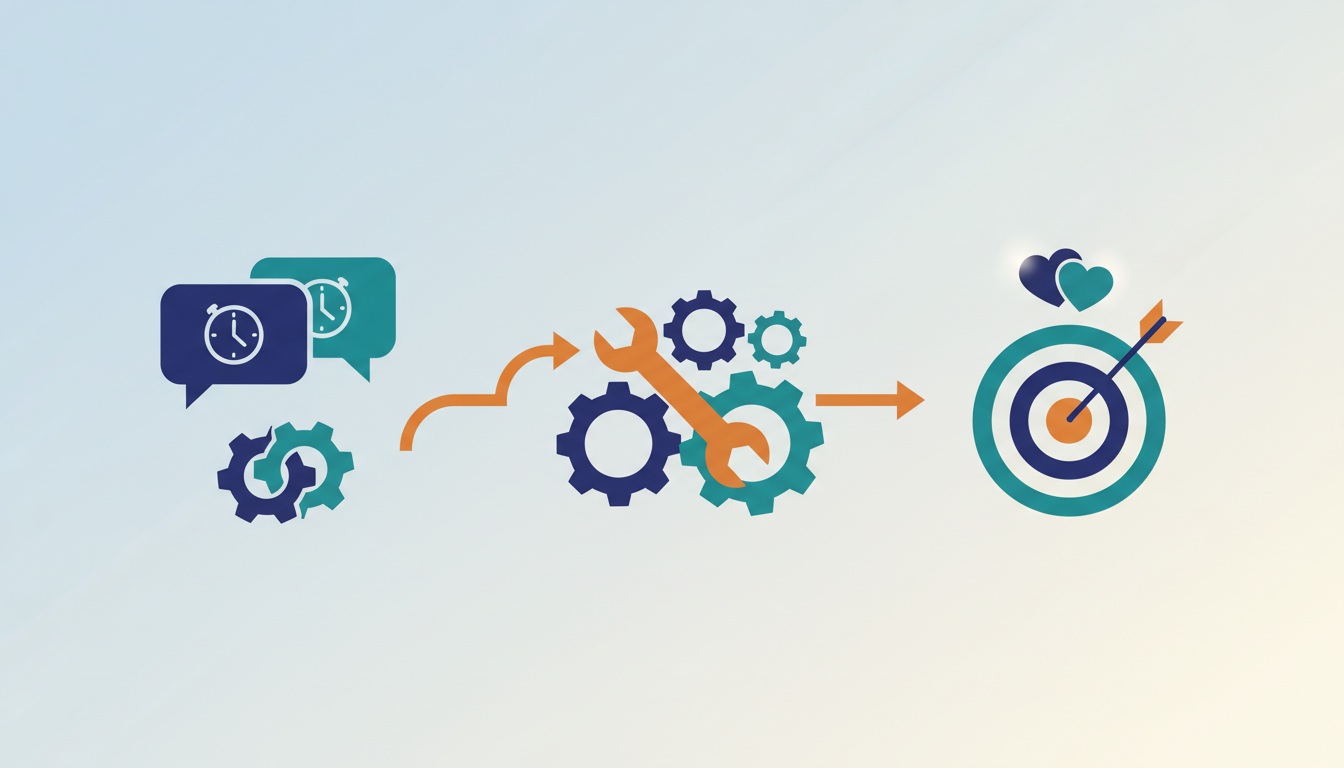
Monogamous commitments mandate meeting reasonable sexual needs while explicitly excluding kink contracts as binding legal agreements. Dan Savage classifies these fantasy documents as unenforceable dirty talk, distinguishing them from the actual obligation to provide intimacy at reasonable intervals. Partners must navigate this boundary without conflating transient pregnancy cravings with permanent relationship terms. Advice columnists highlight a cultural trend normalizing discussions of weird food combo equivalent fantasies to reduce stigma around these temporary desires (Savage Love) .
| Demand Type | Enforcement Status | Operator Action |
|---|---|---|
| Reasonable Need | Mandatory | Schedule intimacy |
| Kink Contract | Voluntary | Negotiate or decline |
| Transient Fantasy | Optional | Disclose or suppress |
Disclosure of non-mutual fantasies often creates friction rather than connection, particularly when content involves degradation or specific anatomical preferences excluded by the partner. Savage advises withholding such details to prevent unnecessary hurt, noting that spouses are not obligated to share every private impulse. Commercial competitors in the sexual wellness space illustrate this market segmentation by offering physical supplements with a 20% discount versus educational platforms providing free symptom checkers. This divergence suggests that purchasing products does not equate to resolving relational dynamics through communication. Withholding specific degrading fantasies protects the partner from feeling pressured to perform acts they find repulsive.
Operators must distinguish between sharing a fantasy and demanding its enactment, as spouses are not obligated to fulfill every transient desire. The limitation of this framework is that it delays gratification, potentially frustrating a partner seeking immediate resolution to heightened libido. However, rushing the timeline risks physical injury or psychological aversion, permanently closing the door on future exploration. Integrating apps like the We-Vibe platform enables this slow rollout by enabling shared intimacy without penetration. The implication for networked couples is clear: treating sexual exploration as a long-term project rather than a spontaneous event preserves relationship stability during physiological flux.
Comparing Monogamous Celibacy Against Open Marriage Longevity Models
Monogamous celibacy creates obligation friction when physical constraints block intimacy, unlike open structures that decouple exclusivity from activity. Dan Savage and his husband maintained monogamy for the first four years before shifting to an open model over two decades, illustrating how structural flexibility preserves long-term satisfaction. The cost of rigid monogamy during libido fluctuations is measurable isolation, whereas open agreements allow partners to meet needs externally without punishing the primary bond.
| Model | Intimacy Source | Obligation Trigger |
|---|---|---|
| Monogamous Celibacy | Internal Only | Partner Availability |
| Open Marriage | Internal + External | Reasonable Intervals |
Operators must distinguish between reasonable sexual needs and unenforceable fantasy contracts to avoid relationship fracture. Advice columnists normalize discussing transient desires by comparing them to weird food combo cravings, reducing stigma around temporary shifts (Savage Love). Clinical observations confirm that pain during genital contact frequently drives third-trimester abstinence, making external outlets a functional necessity rather than a moral failure (Contemporary OB/GYN) . The limitation of open models remains the coordination overhead required to schedule external encounters without violating weekend reservations for the primary dyad. Sexual wellness companies like Foria offer discounted products to support these transitions, indicating a market response to complex intimacy needs (Foria). Successful deployment requires explicit agreements on time allocation to prevent the jealousy trap seen in cases where Sunday meetups displace couple time.
A Step-by-Step Protocol for Restarting Intimacy Safely
Defining Reasonable Intervals for Resuming Intimacy Post-Pelvic Rest

Medical clearance typically arrives at the 6-week mark. Operators must distinguish between the biological capacity for intercourse and the psychological bandwidth required for mutual desire.
- Verify physical healing status against the standard postpartum medical checkup.
- Deploy non-penetrative connection tools like the We-Vibe app to maintain intimacy without triggering pelvic stress.
- Establish a structured communication cadence that separates scheduling logistics from emotional vulnerability.
The limitation of rigid timelines is measurable: adhering strictly to the six-week rule often ignores lingering trauma from the mandated pelvic rest period. A partner may be medically cleared while remaining psychologically guarded against perceived sexual obligation.
Most partners misinterpret increased desire as dissatisfaction with current frequency, triggering defensive withdrawal. This flexible stalls the process of how to restart sex after a dry spell by converting a biological fact into a relational grievance. Addressing this requires adhering to the mutual desire framework promoted by Editorial Mission, where information sharing does not equal transaction. The cost of silence is a deepening rift where fantasies remain isolated rather than integrated into the partnership.
Avoiding the Celibacy Trap When Sexual Exclusivity Lacks Activity
Dan Savage defines sexual exclusivity without activity as celibacy, not monogamy, creating immediate relational risk when partners ignore this distinction. Couples often mistake the absence of infidelity for relationship health, allowing emotional distance to widen silently during pregnancy-induced dry spells. This passive drift transforms a temporary physical constraint into a permanent structural failure of intimacy.
- Audit the current definition of commitment to ensure it includes active engagement rather than just fidelity.
- Use digital tools like the We-Vibe app to maintain connection when physical penetration remains medically contraindicated.
- Schedule non-sexual touch sessions to rebuild physical trust without triggering performance pressure or obligation.
The danger lies in assuming hormonal shifts will naturally resolve the disconnect once the baby arrives. Biological drivers like oxytocin levels fluctuate wildly. Without intentional intervention, the celibacy trap solidifies, making postpartum reconnection significantly harder. Editorial Mission recommends treating intimacy as a scheduled system requirement rather than a spontaneous event to bypass this failure mode.
About
Sofia Reyes is a Certified Sex Educator and Somatic Intimacy Coach at mysteries. Love, where she specializes in pleasure-centered education and body awareness. Her unique background as a former clinical sexologist in Barcelona provides the medical credibility necessary to address the complex physiological changes discussed in this article. Reyes daily guides individuals through shifts in desire caused by life transitions, making her uniquely qualified to explain the second-trimester libido surge often experienced during pregnancy. By bridging clinical data with somatic practice, she helps normalize conversations around intimacy when physical limitations, such as mandated pelvic rest, create emotional distance between partners. Writing for mysteries. Love, a platform dedicated to evidence-based sexual wellness, Reyes ensures that advice on navigating desire during pregnancy is both scientifically accurate and deeply empathetic. Her work directly supports couples seeking to maintain connection despite the evolving dynamics of expectant parenthood.
Conclusion
Scaling intimacy through pregnancy fails when couples treat the third trimester as a passive waiting room rather than an active maintenance phase. The operational cost of this inertia is not merely a temporary dry spell, but the calcification of new relational norms where distance becomes the default state. Relying on postpartum hormonal shifts to automatically repair connection is a flawed strategy; the neural pathways for closeness atrophy without consistent, low-stakes engagement. You must decouple physical availability from emotional presence immediately. Do not wait for medical clearance to resume full intercourse before rebuilding the intimacy infrastructure.
Start auditing your definition of "sex" this week to include non-penetrative connection methods that accommodate current physical limitations. Schedule two fifteen-minute sessions dedicated solely to non-demanding touch or guided digital connection tools before Sunday. This specific timeline forces a break in the pattern of avoidance before the baby arrives, ensuring that the transition to parenthood does not inherit a broken communication framework. Treat these interactions as critical system updates rather than optional extras. By institutionalizing small moments of contact now, you prevent the long-term degradation of partnership satisfaction that often follows unaddressed prenatal gaps. The goal is maintaining the signal, not maximizing the bandwidth, until physiological capacity returns.
Frequently Asked Questions
Increased pelvic blood flow and reduced nausea often spike libido during the second trimester. Approximately 46% of pregnant women report experiencing a seriously increased libido during this specific honeymoon phase despite overall frequency declining.
Concealing a three-month uptick in desire often creates isolation instead of protecting the relationship. Secrecy transforms potential intimacy into resentment because your partner interprets silence as rejection rather than protective caution regarding physical limits.
Consuming erotic material often acts as a pressure valve rather than a request for specific acts. Many individuals watch degradation fantasies without wanting that treatment personally, especially when physical constraints like pelvic rest limit actual intercourse options.
You must separate physiological urgency from emotional pressure before initiating any difficult conversations about frequency. Framing this period as a time for non-penetrative connection helps align biological reality with relationship expectations without violating medical orders.
Monogamy implies a duty to meet reasonable needs at reasonable intervals, not a free use contract. Sexual exclusivity without activity constitutes celibacy rather than monogamy, requiring couples to negotiate specific windows for initiation respectfully.