Libido truth: Spontaneous vs responsive desire explained
Low libido is more common than many think, yet shame often silences those affected. You will learn how hormonal influences like testosterone and estrogen drive the initial desire stage, while brain chemistry dictates the intensity of that drive.
We will distinguish between spontaneous desire, which arises internally, and responsive desire, which requires external stimuli like touch or erotic stories to ignite. Understanding this difference is critical because the body can physically respond with increased heart rate or lubrication even when the mind lacks strong initial interest. This disconnect proves that physiological arousal and psychological want are not always synchronized.
Finally, the discussion moves to the resolution phase, where the body returns to baseline and some individuals experience a temporary refractory period. By mapping these stages against the reality that no universal "normal" level of sex drive exists, we can improved address desire discrepancies. The goal is to replace confusion with a clear understanding of how mood, stress, and relationship status modulate your personal sexual drive.
Defining Libido Through the Dual Control Model and Sexual Response Cycle
Libido as a Spectrum Within the Sexual Response Cycle
Medical consensus confirms there is no universal "normal" level of sex drive, meaning individual baselines vary widely across populations. Libido functions as a flexible spectrum of desire rather than a fixed numerical metric. This variability exists because sexual interest is not a static trait but shifts under the influence of biology, psychology, relationships, and environment. Experts define libido specifically as the overall drive for sexual activity, situated as the initial phase within the broader sexual response cycle.
The cycle progresses through four distinct technical stages: desire, arousal, orgasm, and resolution. During the desire phase, internal fantasies or external attractions trigger interest, heavily modulated by hormones like testosterone and estrogen. Arousal follows with physiological changes such as increased heart rate and genital blood flow, which can occur even without strong mental desire. The orgasm stage represents the peak release of tension, flooding the brain with oxytocin and dopamine to enable feelings of connection. Finally, resolution returns the body to its baseline state, often involving a temporary refractory period before arousal can recur.
Framing desire within this cycle reveals that disruptions in later stages, such as pain during arousal or anxiety in resolution, can retroactively suppress the desire phase itself. Consequently, treating low libido often requires addressing physiological bottlenecks in subsequent cycle stages rather than focusing solely on initial interest levels. Understanding these mechanics allows individuals to identify whether their experience aligns with normal variations like responsive desire or indicates a need for clinical support.
Dual Control Model Mechanics: SES Accelerator and SIS Brake
The dual control model regulates libido through two distinct neural pathways managing excitation and inhibition. The Sexual Excitation System (SES) functions as an accelerator, activating when specific stimuli trigger dopamine release to increase motivation and anticipation. This pathway responds to visual images, emotional connections, or erotic thoughts by driving the brain toward reward. Conversely, the Sexual Inhibition System (SIS) operates as a brake, constantly scanning the environment for risks, harm, fatigue, or stress. When the SIS detects potential threats, it prioritizes survival over reproduction, effectively shutting down arousal mechanisms until safety is confirmed.
This biological priority explains why individuals must feel safe, rested, and mentally present for desire to flourish. The mind and body often operate asynchronously; physiological arousal can occur without conscious desire, a phenomenon known as arousal non-concordance. Because the SIS overrides the SES during perceived danger, increased sexual stimuli alone frequently fail to generate interest if the brain perceives unsafety.
| System | Function | Primary Neurochemical | Trigger Condition |
|---|---|---|---|
| SES | Accelerates drive | Dopamine | Arousing stimulation |
| SIS | Inhibits drive | Stress hormones | Threat detection |
Low desire often signals high inhibition rather than low excitation. Individuals managing their own wellness must address brake activation before pressing the accelerator. The sexual response cycle depends on this balance to progress from desire to resolution effectively.
Arousal Non-Concordance: Comparing Physical and Mental States
Arousal non-concordance describes a physiological mismatch where genital response occurs without subjective desire. This phenomenon confirms that the mind and body operate on independent tracks during the sexual response cycle.
Physiological markers of arousal include increased heart rate, genital blood flow, vaginal lubrication, and penile erection. These autonomic reactions can activate via the Sexual Excitation System even when psychological interest remains absent. Conversely, an individual may experience strong mental desire without immediate physical readiness. This disconnect is technically normal and reflects the complex interplay between survival instincts and reproductive drives.
| Feature | Physical State | Mental State |
|---|---|---|
| Primary Driver | Autonomic nervous system | Cognitive and emotional processing |
| Indicators | Lubrication, erection, pulse | Interest, fantasy, motivation |
| Sync Status | Often delayed or absent | Can exist without body response |
| Trigger | Direct stimulation | Contextual safety and mood |
Physical readiness does not mandate consent or desire. Assuming mechanical function equals psychological willing creates dangerous misinterpretations of safety and intent. The Sexual Excitation System accelerates based on stimuli, yet the brain may simultaneously inhibit engagement due to stress or fatigue. Understanding this separation reduces shame when responses feel contradictory. True intimacy requires aligning these distinct systems rather than forcing synchronization through pressure. Recognizing non-concordance allows partners to navigate desire discrepancies with curiosity instead of judgment.
Distinguishing Spontaneous and Responsive Desire Patterns
Spontaneous vs Responsive Desire Mechanisms
Sudden sexual thoughts or fantasies characterize spontaneous desire, which arises internally without external triggers. Responsive desire emerges only after exposure to specific outside stimuli like touch or erotic narratives, creating a sharp contrast with the spontaneous mode. The sexual response cycle framework identifies desire as the initial phase preceding arousal, yet the ignition source differs fundamentally between these patterns. Many individuals in long-term partnerships primarily experience desire responsively, requiring context to initiate the cycle, whereas spontaneous drive appears readily in some demographics.
| Feature | Spontaneous Desire | Responsive Desire |
|---|---|---|
| Trigger Source | Internal cognition | External stimulation |
| Onset Speed | Immediate | Delayed until contact |
| Common Context | Early relationship stages | Established partnerships |
Hormonal drivers like testosterone and estrogen modulate the intensity of both types, though stress-induced cortisol can suppress the neurological pathways required for either to function. Waiting for spontaneous urges in a responsive-dominant flexible results in prolonged inactivity, a costly limitation for many couples. Initiating physical contact can successfully bypass the need for internal pre-arousal. Understanding this distinction prevents misdiagnosis of low libido, as the mechanism is not broken but simply requires a different input strategy to engage the Sexual Excitation System.
Gender-Specific Manifestations of Desire Patterns
Biological rhythms dictate that estrogen and progesterone fluctuations across the menstrual cycle directly modulate female sensitivity and blood flow, often aligning desire with specific physiological windows rather than constant readiness. Because these hormonal shifts affect energy levels, many women find their responsive desire peaks when external stimuli like emotional intimacy or touch bridge the gap during low-energy phases of the cycle. This pattern contrasts with the male experience, where declining testosterone levels with age can gradually reduce the frequency of spontaneous urges, yet social stigma frequently obscures this biological reality by perpetuating the myth that men are perpetually ready for sex. High cortisol from chronic stress further suppresses this drive, creating a physiological brake that overrides potential arousal signals regardless of gender.
| Factor | Female Manifestation | Male Manifestation |
|---|---|---|
| Primary Hormone | Estrogen/Progesterone cycle | Testosterone decline |
| Desire Trigger | Often responsive to context | Often spontaneous but variable |
| Inhibitor | Mental load and fatigue | Performance anxiety and stigma |
| Physiological Path | Blood flow and sensitivity | Vascular function and mood |
Synchronizing desire requires mapping these distinct biological timelines rather than assuming identical ignition mechanisms. Alcohol consumption technically impacts libido by reducing testosterone levels, serving as a biochemical pathway that exacerbates low desire in men specifically. The sexual response cycle indicates that without addressing these gendered hormonal baselines, attempts to initiate intimacy may fail to engage the Sexual Excitation System effectively. Understanding that male libido is not immune to hormonal decay removes shame and encourages medical evaluation instead of silent suffering.
Biological Drivers Versus Social Conditioning in Libido
Internal hormonal pulses compete directly with external social friction to regulate the sexual response cycle. Cultural myths insisting males remain perpetually ready create performance anxiety that further suppresses desire, even as testosterone decline in aging men naturally lowers drive. Conversely, women often navigate fluctuating estrogen and progesterone levels where a high mental load from managing responsibilities acts as a potent inhibitor against accessing desire. Stress elevates cortisol, which biologically hinders arousal mechanisms just as effectively as low hormones.
| Factor | Biological Driver | Social/Psychological Barrier |
|---|---|---|
| Primary Hormone | Testosterone or Estrogen | Cortisol (Stress) |
| Trigger Type | Internal physiological state | External responsibility load |
| Common Inhibitor | Age-related decline | Performance anxiety or stigma |
| Desire Pattern | Often spontaneous | Frequently responsive |
Alcohol consumption technically reduces testosterone levels, creating a compounded biochemical pathway for decreased interest alongside any existing psychological hesitation. The primary tension lies in distinguishing whether low libido stems from a physiological deficit requiring medical intervention or a contextual overload demanding stress reduction. Treating a stress-induced brake with hormones fails because the Sexual Inhibition System remains active despite chemical correction. Operators of their own wellness must address the mental load before expecting biological accelerators to function effectively. This distinction prevents futile attempts to force spontaneous desire when the environment signals danger or exhaustion. Addressing the specific barrier type yields improved outcomes than applying generic solutions to complex human sexuality.
Implementing Complete and Medical Solutions to Restore Sexual Desire
Hormonal Imbalances and Cortisol Suppression Mechanisms
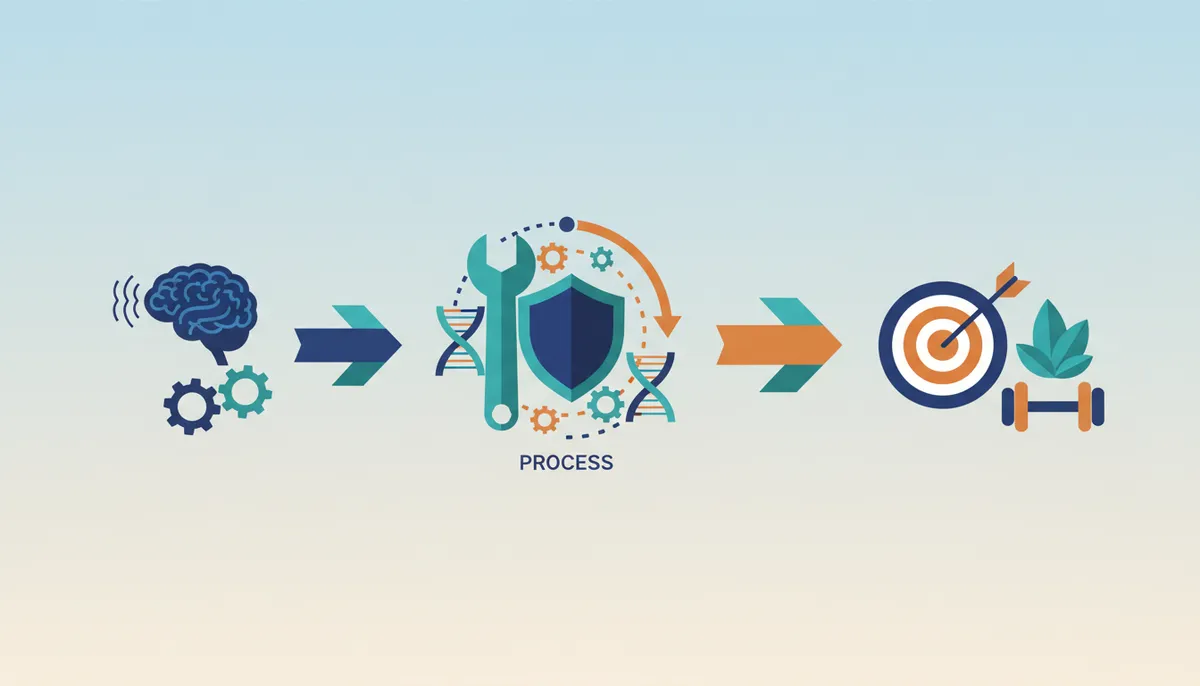
Declining estrogen levels and stress-elevated cortisol actively suppress sexual desire by altering brain chemistry and restricting blood flow. Sexual drive relies on a balance of estrogen, progesterone, and testosterone, where any imbalance disrupts the physiological capacity for arousal. During perimenopause, a drop in estrogen thins vaginal tissue and reduces sensitivity, creating a tangible physical barrier to desire. Chronic stress compounds this issue by raising cortisol, a hormone that suppresses both estrogen and testosterone while locking the nervous system into a state of high alert. This biochemical shift prioritizes survival over reproduction, effectively engaging the brain's inhibition system. Alcohol consumption further diminishes interest by lowering testosterone levels through a separate metabolic pathway. Medical experts agree there is no universal "normal" level of sex drive, yet persistent distress warrants professional evaluation. Treating the hormone without addressing the stressor often fails; simply adding testosterone while cortisol remains high yields limited results because the body stays in protection mode. Restoring libido requires lowering the biological brake before pressing the accelerator.
Lifestyle Shifts: Sleep, Antioxidants, and Intimacy Redefinition
Regulating sleep patterns directly reduces cortisol levels that otherwise suppress estrogen and testosterone production. Insufficient rest keeps the nervous system in high alert, physically inhibiting the Sexual Excitation System required for arousal. Dietary adjustments also support physiological readiness for intimacy. Consuming foods rich in antioxidants and healthy fats, such as dark chocolate and avocados, may widen blood vessels and increase genital blood flow. This vascular improvement enables the physical components of the sexual response cycle by enhancing tissue sensitivity and lubrication.
Psychological reframing addresses mental barriers often mistaken for physical dysfunction. Viewing orgasm as the sole goal can activate the Sexual Inhibition System (SIS), increasing performance pressure and reducing overall satisfaction. Shifting focus away from orgasm as the only endpoint allows individuals to engage with responsive desire patterns more effectively. This approach reduces the cognitive load during intimate moments, creating space for pleasure without demanding a specific outcome.
| Focus Area | Physiological Impact | Psychological Benefit |
|---|---|---|
| Sleep Regulation | Lowers cortisol, boosts hormones | Reduces anxiety, improves presence |
| Antioxidant Intake | Increases genital blood flow | Enhances body awareness |
| Goal Redefinition | Lowers sympathetic nervous activation | Deactivates Sexual Inhibition System |
Recognizing libido variability as a normal function of human biology rather than a defect requiring immediate correction changes the recovery trajectory. The dual control model suggests that removing brakes is often more effective than pressing accelerators harder. By addressing sleep, nutrition, and goal orientation simultaneously, individuals create a permissive environment where desire can naturally re-emerge without forced intervention.
Medication Side Effects and Physical Pain Barriers
Common prescriptions like SSRIs and birth control pills chemically alter brain pathways to suppress sexual interest. These medications modify neurotransmitter availability, effectively dampening the Sexual Excitation System required for desire. When pharmaceuticals shift hormone levels or restrict blood flow, the physiological capacity for arousal diminishes regardless of emotional intent. This creates a scenario where the body remains chemically blocked from entering the sexual response cycle.
Physical discomfort acts as an even more immediate barrier than chemical suppression. Acute pain, inflammation, or fatigue forces the nervous system to prioritize survival signals over reproductive urges. The body interprets physical distress as a threat, activating the Sexual Inhibition System to prevent vulnerability during compromise. Consequently, attempting to force intimacy while managing pain often reinforces avoidance patterns rather than restoring function. Addressing these physical blocks requires medical consultation to adjust dosages or treat underlying inflammation before desire can naturally return. Ignoring pain to pursue sex rarely succeeds because the biological imperative for safety overrides the drive for connection.
Determining When Professional Intervention Is Necessary for Low Libido
Defining Persistent Low Libido as a Medical Concern
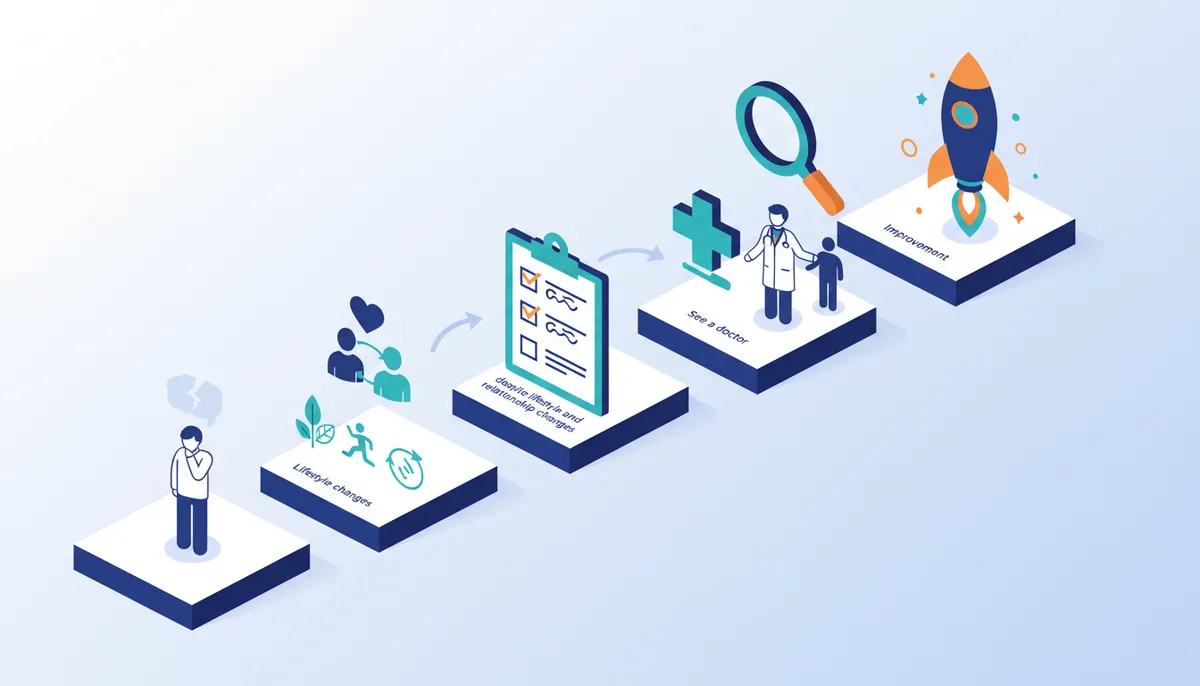
Persistent low libido becomes a medical concern when diminished desire causes personal distress rather than reflecting natural variation. Medical and sexual health experts agree there is no universal "normal" level of sex drive, meaning baseline desire varies widely across individuals. Libido exists on a spectrum and fluctuates naturally in response to the body, mind, and environment. Professional intervention is necessary only when this low state is persistent and actively causes dissatisfaction for the individual.
Distinguishing temporary dips from clinical issues requires evaluating duration and emotional impact. Natural fluctuations occur frequently, yet a consistent lack of interest paired with distress signals a potential underlying issue. Some individuals possess a non-existent libido naturally, which is not inherently pathological unless it conflicts with personal goals.
To determine if professional help is needed, consider these criteria:
- The change in desire is sudden and unexplained by life events.
- Low desire persists for several months despite stress reduction.
- The situation causes significant relationship strain or personal anxiety.
- Physical symptoms like pain or erectile dysfunction accompany the low drive.
| Symptom Pattern | Likely Cause | Action Required |
|---|---|---|
| Temporary dip | Stress, fatigue | Monitor only |
| Persistent distress | Hormonal, psychological | Seek care |
The dual control model suggests that high inhibition often masks as low desire, requiring different treatment than excitation deficits. Ignoring persistent distress can cement negative sexual associations, making future recovery more difficult than early intervention.
Navigating Medical Bloodwork and Sex Therapy Sessions
Initiate professional care by requesting specific hormone panels to identify physiological drivers of low desire. A medical doctor performs bloodwork to check hormones like testosterone and estrogen, verifying if biological imbalances suppress the sexual excitation system. This objective data separates temporary fluctuations from conditions requiring treatment. Conversely, a sex therapist addresses emotional barriers, anxiety, past traumas, or relationship dynamics that activate the brain's inhibition pathways. These distinct roles require separate appointments but complementary goals for complete recovery.
- Schedule a primary care visit to discuss persistent dissatisfaction and request lab work.
- Book a consultation with a certified therapist to explore psychological blocks.
- Share findings between providers to align biological and emotional treatment plans.
Some individuals report rapid improvements once underlying causes are treated, though timelines vary significantly based on the root issue. The tension lies in prioritizing which path to start; biological fixes often fail without psychological safety, while talk therapy cannot correct severe hormonal deficits. Operators must address both systems simultaneously rather than sequentially.
Understanding that libido exists on a spectrum prevents shame during this diagnostic phase. Successful intervention depends on recognizing that desire is flexible, not a fixed trait requiring a single cure.
Checklist for Evaluating Supplement Evidence and Timelines
Initiate supplement evaluation by verifying ingredient specificity against mixed clinical data rather than general marketing claims. Research associates ginseng and saffron with measurable improvements in desire and testosterone levels, though study scales vary. A specific trial noted that 73% of participants reported enhanced satisfaction using a multi-ingredient formula containing L-arginine. Conversely, data indicates a ginseng and vitamin E combination required six weeks to demonstrate significant desire improvements in women compared to placebo.
| Criterion | Evidence Status | Expected Timeline |
|---|---|---|
| Single Herb | Mixed results | 4-8 weeks |
| Multi-Ingredient | Stronger signal | 6+ weeks |
| Hormonal Balance | Variable | 3+ months |
- Confirm the product lists exact dosages matching peer-reviewed studies.
- Establish a baseline measurement before starting any new regimen.
- Commit to a minimum trial period of six weeks before assessing efficacy.
Libido functions as a sensitive indicator of general wellness, meaning supplements often fail if underlying stress or relationship dynamics remain unaddressed. Patients should see a doctor if low desire causes personal distress or persists despite lifestyle adjustments.
About
Sofia Reyes is a certified sex educator and somatic intimacy coach at mysteries.love, where she specializes in sexual wellness and body awareness. Her expertise makes her uniquely qualified to address the complexities of libido, as her daily work involves guiding individuals through the detailed interplay of biology, psychology, and relationship dynamics that influence sexual desire. Unlike static medical definitions, Sofia's approach integrates somatic practices and trauma-informed care to help readers understand their unique sexual response cycles. At mysteries.love, a platform dedicated to evidence-based intimacy education, she bridges the gap between clinical research and practical application. Her writing directly reflects her professional experience helping clients navigate desire discrepancies and reclaim pleasure-centered mindsets. By connecting hormonal factors like testosterone with emotional safety, Sofia provides actionable insights grounded in both scientific understanding and hands-on coaching, ensuring readers receive compassionate, accurate guidance on enhancing their sexual well-being.
Conclusion
Biological agents fail when the nervous system remains in a state of high alert, creating a hard ceiling for any supplement's efficacy. You cannot chemically force arousal if your brain perceives exhaustion or emotional danger as the primary reality. This operational cost means that taking L-arginine or ginseng without addressing underlying stress dynamics is often a wasted investment. The data suggests that while specific formulas show promise, with one trial showing 73% of participants reporting enhanced satisfaction, these results depend entirely on a baseline of safety and connection.
Prioritize stabilizing your daily stress response before expecting dietary changes to shift your desire threshold. If you have not addressed sleep hygiene or relationship tension, no pill will bypass those inhibitors. Start this week by establishing a concrete baseline measurement of your current energy and mood before ingesting any new compound. This prevents you from attributing natural fluctuations to the supplement or missing the real barrier to intimacy. True improvement requires treating libido as a flexible output of your whole system rather than an isolated mechanical fault. Commit to a six-week observation window only after you have secured the fundamental lifestyle elements that allow biological signals to register.
Frequently Asked Questions
A specific trial noted that 73% of participants reported enhanced satisfaction with targeted interventions. This majority suggests most individuals can find relief through proper medical or holistic solutions tailored to their unique biological needs.
Low desire often signals high inhibition rather than low excitation within the dual control model. The brain prioritizes safety over reproduction, meaning stress or fatigue can activate the brake system and effectively shut down arousal mechanisms completely.
Physiological arousal can occur without conscious desire because the body and mind are not always synchronized. This non-concordance proves that physical responses like increased heart rate do not always reflect genuine psychological interest or want.
The sexual response cycle is categorized into four distinct phases including desire, arousal, orgasm, and resolution. Understanding these stages helps individuals identify exactly where disruptions like pain or anxiety might be suppressing their overall sexual drive.
Responsive desire arises only in response to outside stimuli like touch or erotic stories. Unlike spontaneous desire, this pattern requires external input to ignite interest, which is common for many people in long term relationships today.