Inclusive intimacy products that build real trust
Do modern couples need better ways to discuss comfort and trust? Hannah Martin argues these products transform private moments into supported connections rather than hidden novelties. Inclusive intimacy tools function as necessary wellness items designed to make partners feel seen instead of boxed in by rigid standards. Inclusive design principles prioritize specific physical factors like size and shape to reduce stress before it starts. Material safety standards matter because nonporous options enable easier cleaning and repeated use. Finally, communication frameworks establish shared trust through simple check-ins that shift focus from performance to genuine connection. The goal is creating space for different bodies and comfort levels without pressure. Treating these purchases with the same seriousness as other health decisions lets couples approach exploration with care. This shift ensures every interaction respects individual identities while supporting a relaxed environment for learning what feels stable.
The Role of Inclusive Design in Modern Couple Wellness
Defining Inclusive Intimacy Beyond Novelty Products
Inclusive intimacy operates as a wellness framework where products accommodate diverse bodies without pressure. Individual comfort levels take priority above all else. Many people now view these tools as part of wellness rather than something hidden or strange. Every couple differs notably, and products supporting these variations help partners feel seen. Comfort should guide the choice of any intimacy product, with secure, soft, and easy-to-use designs helping to reduce stress. Unlike items that ignore ergonomics, inclusive options make space for different needs. Beginners may prefer simple designs while experienced couples seek variety. Trying something new should not feel like a test. Moving away from shame makes the buying process feel less awkward, more like selecting any other wellness item.
Product variety often clashes with the necessity of shared trust. A device offers mechanical function, yet the real value comes from how partners use them together. No product can replace honest communication between partners. No single script governs modern intimacy, so tools must adapt to the users rather than forcing conformity. When couples stay patient, exploration feels safer and more natural for everyone involved.
Applying Trust and Shared Choice in Couple Wellness
Shared choice transforms private moments by ensuring partners feel seen rather than boxed in during exploration. When couples prioritize inclusive design, they move beyond novelty to address specific comfort levels and identities. This shift reflects a broader trend where intimacy tools are increasingly categorized as part of wellness instead of remaining hidden or strange. The mechanism relies on selecting products that accommodate diverse bodies without imposing a single script for pleasure.
| Feature | Exclusive Design | Inclusive Approach |
|---|---|---|
| Goal | Uniform performance | Shared comfort |
| Pressure | High expectation | Low stress |
| Outcome | Potential alienation | Mutual connection |
Real value emerges from how partners use these tools together, not merely from the device itself. Seeking variety while maintaining emotional safety requires careful selection; choosing products that match current comfort levels helps maintain trust. The most effective strategy involves selecting items that match current comfort levels before attempting advanced configurations. This patience ensures that exploration feels safer and more natural for everyone involved. By focusing on honest communication, couples create a framework where boundaries are respected and desires are voiced without fear. These conversations should feel respectful. Ultimately, inclusive intimacy succeeds when both individuals feel respected and relaxed throughout the experience.
Wellness Tools Versus Novelty Intimacy Items
Wellness tools prioritize comfort and care over gimmicks. This shift reclassifies private aids as legitimate health supports rather than hidden curiosities. Many people now view these products as part of wellness instead of something strange. The distinction lies in design intent: inclusive options accommodate diverse bodies without pressure. This evolution makes the purchasing process feel less awkward and more like selecting standard self-care items.
| Attribute | Novelty Focus | Wellness Focus |
|---|---|---|
| Primary Goal | Shock or humor | Comfort and trust |
| Material Safety | Often unverified | Body-safe certified |
| User Experience | High pressure | Low stress |
Immediate gratification often conflicts with long-term relational safety. Nonporous materials are often easier to clean and may feel improved for repeated use, supporting improved comfort over time. Conversely, wellness-oriented designs support shared trust by ensuring both partners feel respected during exploration. The real value emerges not from the object itself, but from how partners use these tools together to build confidence. By choosing products that align with specific comfort levels, couples create a foundation for open dialogue. This approach ensures that intimacy remains a space for mutual care rather than performance. Couples should pay attention to size, material, shape, and how simple the product is to clean to guarantee safety.
Material Safety Standards and Comfort Mechanics in Intimacy Tools
Body-Safe Nonporous Materials and Hygiene Standards
Body-safe nonporous materials are often easier to clean and may feel improved for repeated use. Unlike other options, these surfaces allow partners to maintain hygiene standards while preserving the product structure. Materials are described as more than a small detail when choosing intimacy products for shared wellness. Nonporous options are frequently preferred for their ease of care over time.
| Material Type | Porosity | Cleaning Method | Safety Profile |
|---|---|---|---|
| Medical Silicone | Nonporous | Easy to clean | High |
| Stainless Steel | Nonporous | Easy to clean | High |
| TPE/TPR | Porous | Requires care | Moderate |
Couples must also consider how lubricants interact with specific textures to ensure comfort. Proper storage keeps items ready, private, and in improved condition for future encounters. The industry is seeing a trend toward tech advancements that are explicitly described as beneficial and educational regarding material transparency. Partners should prioritize verified body-safe options to support improved comfort and easier care over the life of the device. Selecting the right foundation ensures that exploration remains focused on connection rather than health concerns.
Ergonomic Shape and Stability in Strapless Strap-On Use
A product that feels secure, soft, and easy to use can reduce stress before physical intimacy begins, allowing partners to focus on connection rather than adjustment mechanics. When selecting comfortable intimacy items, couples should prioritize shapes that feel natural to enhance stability. Partners may require time to learn what feels stable and natural for both people, making initial exploration a process of mutual calibration rather than immediate performance.
| Design Factor | Impact on Stability | User Experience Goal |
|---|---|---|
| Shape | Supports stability | Consistent contact |
| Texture | Enhances comfort | Pain-free duration |
| Weight | Affects handling | Natural movement |
This conceptual trend where intimacy products are increasingly viewed as part of wellness rather than hidden items encourages manufacturers to prioritize functional comfort over novelty aesthetics. Highly specialized ergonomic shapes may require a learning curve for partners. Partners may need time to learn what feels stable and natural, making a slower pace more relaxed and enjoyable. Beginners may prefer simple designs, while experienced couples may want more variety. The best choice is the one that supports both partners without rushing either person.
Maintenance Checklist: Lubricants, Cleaning, and Storage
Proper lubricant selection protects the product and improves comfort during use. Using the right lubricant can prevent damage and enhance the experience. This compatibility ensures that body-safe options support improved comfort and easier care throughout the product's lifespan.
- Keep devices in separate, opaque pouches to maintain privacy and prevent dust accumulation.
| Factor | Impact on Longevity | Privacy Benefit |
|---|---|---|
| Correct Lubricant | Protects the product | Enhances comfort |
| Dedicated Pouches | Prevents damage | Conceals contents visually |
| Dry Environment | Maintains condition | Prevents odor development |
Clean storage helps keep items ready, private, and in improved condition for future encounters. This approach aligns with the broader shift where intimacy tools are increasingly viewed as part of wellness rather than hidden novelties. Improper care can alter surface texture, rendering even high-quality items less effective. Operators should pay attention to how simple the product is to clean to ensure ongoing safety and comfort.
Communication Frameworks for Establishing Consent and Boundaries
Defining Respectful Check-Ins During Shared Intimacy
Verbal anchors shift focus from performance metrics to genuine connection during intimate moments. These brief exchanges prioritize honest communication over rigid scripts, allowing partners to navigate boundaries without disrupting the mood. Research indicates modern relationships increasingly apply sextech to bridge gaps and support enhanced intimacy, suggesting technology works best when paired with clear dialogue. Simple questions like "What feels good?" or "When to pause?" change abstract consent into actionable feedback. No product can replace honest communication between partners, making these verbal confirmations necessary regardless of the tools involved. Reducing cognitive load normalizes short queries so couples avoid the stress of long discussions mid-activity. This approach supports the emerging view of intimacy products as part of wellness rather than hidden novelties. Exploration feels safer when couples remain patient throughout the process. The real value comes from how partners use tools together to create shared choice.
Applying Low-Pressure Mindsets to New Product Exploration
Testing new items should never feel like an examination. Couples reduce awkwardness in trying new products by selecting items that match their current comfort levels rather than chasing advanced features. This approach treats inclusive intimacy products as tools for connection instead of performance metrics. Distinguishing between devices designed for pleasure versus those aimed at sexual health helps partners choose options aligned with immediate emotional needs rather than assumed expectations.
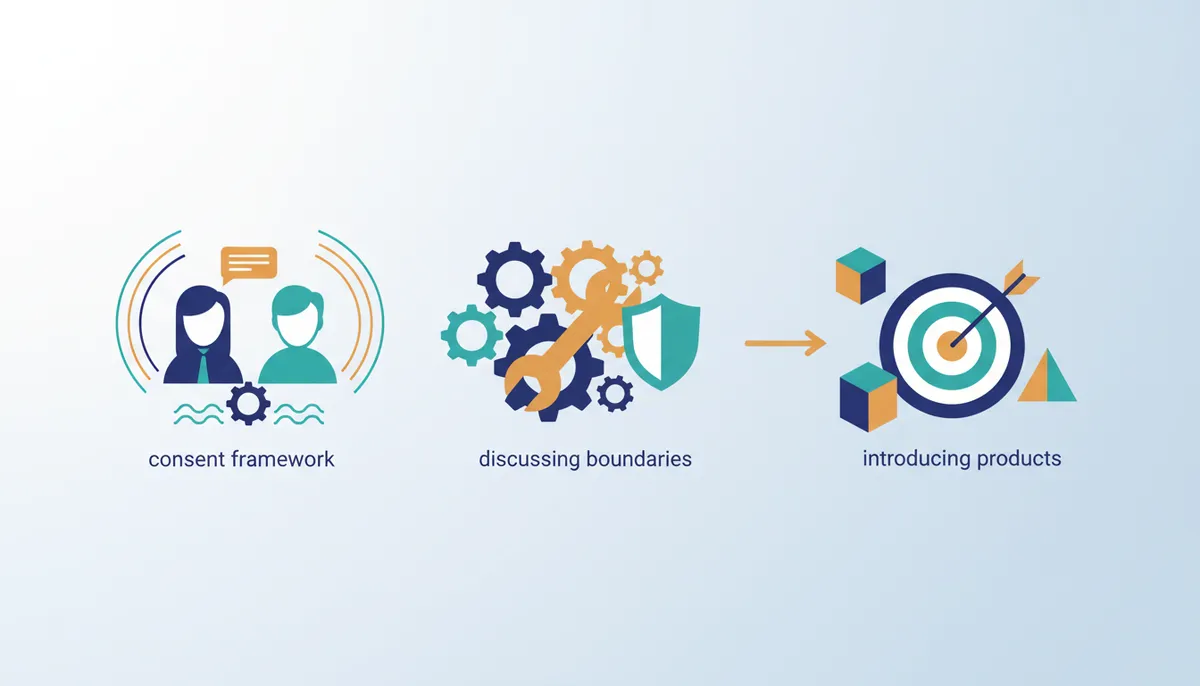
| Comfort Level | Product Strategy | Goal |
|---|---|---|
| Beginner | Simple designs | Learn what feels comfortable |
| Experienced | Variety exploration | Support communication improved |
Partners discussing how to talk about intimacy products with partner often find that choosing products matching current comfort levels keeps the experience light. The best choice supports both people without rushing either person. A significant limitation exists in the current market: specific case studies detailing a named company's implementation of these inclusive practices remain absent from available literature. Responsibility falls on the dyad to define success internally. When exploration feels like a low-stakes experiment, the communication frameworks necessary for consent become natural byproducts rather than forced obligations. Trust builds as partners use these tools together. Modern couples find that patience transforms potential stress into a shared language of care.
Application: Validating Trust and Shared Choice Before Intimacy
Creating space for trust, comfort, and shared choice ensures no individual feels rushed or pressured during exploration. Couples should talk about boundaries, hopes, and concerns before trying something new so conversations feel respectful. The real value comes from how partners use tools together to feel respected, relaxed, and connected The best choice supports both people without forcing a specific outcome. This validation step ensures that honest communication remains the primary mechanism for safety, far outweighing any product feature.
Executing Low Pressure Intimacy Exploration in Five Steps
Defining Low Pressure Intimacy Exploration Goals
Rejecting performance metrics starts the path toward low pressure intimacy exploration. Simple comfort discovery replaces graded tests. Couples begin with basic objectives like learning what feels comfortable or identifying tools that improve communication. This mindset keeps experiences light. Modern relationships increasingly apply technology to bridge gaps and support enhanced intimacy, suggesting a trend toward technology-mediated emotional connection that prioritizes mutual satisfaction over novelty. Beginners often prefer simple designs. Experienced couples may seek variety. The best choice supports both partners without rushing either person.
Partners should talk about boundaries, hopes, and concerns before trying something new. These discussions need respect rather than formality. Simple check-ins during shared intimacy make a significant difference. Partners can ask what feels good, what needs to change, and when to pause. Clear communication shifts the focus from performance to connection. Exploration becomes a gentle investigation of shared pleasure instead of a test of relationship strength.
Applying Comfort Factors to Product Selection
Comfort must guide every product choice. Couples pay attention to size, material, shape, and cleaning simplicity. These factors determine whether an item supports connection or creates distraction during low-pressure exploration. New items should feel secure and soft to reduce initial anxiety. Nonporous materials often simplify hygiene routines. This removal of barriers supports consistency. Partners need time to learn what feels stable and natural when exploring strapless options. A slower pace makes the experience more relaxed.
- Consider how physical dimensions align with individual comfort levels.
- Choose body-safe, nonporous components for easier care and comfort.
- Look for designs that feel secure and natural to use.
- Ensure cleaning and storage fit naturally into product care routines.
Society now views intimacy aids as part of wellness rather than hidden secrets. Couples should also think about lubricants and storage. Using the right lubricant can protect the product and improve comfort. Clean storage helps keep items ready, private, and in improved condition.
Seeking variety while maintaining stability creates tension. Choosing complex shapes too early can undermine relaxed exploration. Selecting items that match current comfort levels allows partners to pause and adjust without breaking the moment. Tools enable trust when both people feel heard and physically at ease. Performance demands disappear in this space.
Checklist for Respectful Pre-Intimacy Communication
Initiate dialogue by explicitly mapping boundaries, hopes, and specific concerns before physical contact begins. Discussing these elements creates a foundation where consent functions as an ongoing conversation rather than a single permission slip. Modern relationships increasingly apply technology to bridge gaps and support enhanced intimacy suggesting that structured talks support emotional connection alongside physical exploration. No product can replace honest communication between partners. These talks do not need to feel the, but they should feel respectful.
- What specific sensations feel good right now?
- What adjustments need to change immediately?
- When does either partner need to pause?
Specific queries change vague intentions into actionable feedback loops. Clear communication turns the focus from performance to connection. Distinguishing between discussing desires and assuming them prevents misaligned expectations during use. Skipping this step often leads to confusion.
Safety and comfort remain active throughout the experience with this logical structure. Rigid adherence to a script can sometimes stifle spontaneity. Couples must balance preparation with present-moment awareness. Over-scripting may reduce natural flow, requiring partners to remain flexible. Implementing this approach means accepting that silence is not always consent. Explicit verbal confirmation builds the trust necessary for low-pressure exploration.
About
Sofia Reyes is a certified sex educator, somatic intimacy coach, and relationship writer at mysteries.love, where she specializes in sexual wellness and pleasure-centered education. Her expertise in somatic and trauma-informed approaches makes her uniquely qualified to explore inclusive intimacy products, as she understands how physical tools can support emotional safety and body awareness. In her daily work, Sofia guides individuals and couples through navigating desire and comfort levels, directly connecting to the article's focus on creating space for different bodies without pressure. Through mysteries.love, an editorial platform dedicated to evidence-based, non-judgmental intimacy education, she bridges the gap between practical sex tools and deep psychological connection. This specific background allows her to articulate how modern intimacy products support trust and shared pleasure, moving the conversation from shame to wellness. Her insights ensure that recommendations for inclusive products are grounded in both physiological reality and the detailed needs of diverse relationships.
Conclusion
Scaling inclusive intimacy beyond individual trials reveals a critical friction point: without standardized communication protocols, even the most thoughtfully designed tools fail to bridge the gap between intention and experience. The operational cost of skipping structured dialogue is not merely awkwardness, but a tangible erosion of trust that no device can repair. As public discourse increasingly normalizes sexual health, the market must pivot from selling hardware to facilitating the soft skills required for their safe use. True inclusivity demands that couples treat boundary mapping as a non-negotiable prerequisite rather than an optional prelude.
Couples should commit to a dedicated fifteen-minute conversation before introducing any new element into their shared space, specifically focusing on pause mechanisms and sensation preferences. This timeline ensures that physical exploration rests on a foundation of explicit verbal confirmation rather than assumed consent. Do not purchase or unwrap any new product until both partners can articulate exactly when and how to stop the activity. Start this week by asking your partner to define one specific sensation they wish to avoid, then verbalize that limit back to them to confirm understanding. This single act of verification transforms vague hopes into a functional safety net, ensuring that technology serves as a catalyst for connection rather than a source of confusion.
Frequently Asked Questions
Inclusive tools prioritize shared comfort instead of shock value or humor. This shift reduces stress before it starts by ensuring products feel secure and soft for diverse bodies during private moments.
Nonporous materials facilitate easier cleaning and support better comfort over time. Choosing these body-safe options protects the product and improves the overall experience for partners engaging in repeated use.
Partners should discuss boundaries and hopes through simple, respectful check-ins. These conversations shift the focus from performance to connection, ensuring that exploration feels safe and natural for everyone involved.
Beginners should select simple designs that match their current comfort levels. This approach keeps the experience light and less stressful, allowing couples to learn what feels stable without rushing either person.
Inclusive design makes buying feel like choosing standard self-care items rather than hidden curiosities. This normalization helps partners feel seen and supported, fostering confidence when selecting wellness tools for their relationship.
References