Dual Stimulation Toys: Bridge Intimacy Gaps Today
Recent Ohdoki research reveals 21% of men avoid sex toys due to partner discomfort fears. You will learn how dual stimulation bridges satisfaction gaps, the mechanics behind remote control systems, and specific criteria for choosing devices that prioritize mutual curiosity over pressure.
The hesitation often stems from a misunderstanding of intent rather than a lack of interest. Adam Lewis, founder of Hot Octopuss, emphasizes that these tools serve as enhancements for exploring different sensations across the body, not replacements for a partner. By targeting specific areas and addressing challenges like differing libidos, couples can use technology to start conversations that might otherwise remain stalled by the fear of causing unease.
Your exploration will cover the practical application of wearable pleasure devices and the strategic selection of products designed for partnered use. We examine how modern intimacy benefits from external and internal stimulation options that require clear communication to function effectively. The goal is to replace hesitation with a structured approach to sexual connection, ensuring that technology acts as a bridge rather than a barrier in your flexible.
The Role of Dual Stimulation in Modern Intimacy
Defining Dual Stimulation and Love Egg Vibrators
Dual stimulation targets multiple erogenous zones to increases shared sensation rather than replacing natural intimacy. A love egg vibrator exemplifies this design as a compact, often remote-controlled device inserted for internal resonance while external vibrations stimulate the clitoris or perineum. Substantial publications now prioritize such wearable and unobtrusive vibrators in their recommendation criteria, reflecting a market shift toward discreet engineering that maintains eye contact and physical closeness.
Psychological barriers persist despite these engineering advances. Recent data indicates 21% of men avoid these tools due to partner discomfort concerns. This hesitation creates a tension where the very mechanism designed to bridge connection gaps remains unused due to communication failures. Couples must recognize that sex toys for couples function as enhancement tools requiring strategic selection based on mutual curiosity.
Physiological reality often conflicts with penetrative focus alone. While 81% of vulva owners require clitoral stimulation to reach orgasm, many partners overlook this fact. Integrating a dual-stimulation device addresses this gap directly. Success depends on framing the technology as a shared exploration rather than a performance critique. The limitation lies not in the hardware but in the failure to establish clear intent before introduction.
Bridging Sexual Connection Gaps with Partnered Toys
Dual stimulation mechanics help synchronize internal and external arousal pathways for both partners. Adam Lewis notes these tools explore pleasure across the body to bridge sexual connection gaps effectively. Data indicates 13% of men feel uncomfortable initiating toy conversations, creating a barrier to shared satisfaction. Reframing devices as mental wellness tools reduces stigma and encourages earlier adoption in relationships.
Third Lover and MyHixel position male toys as necessary for self-exploration rather than taboo acts. This narrative shift helps partners view technology as an enhancement rather than a replacement for natural intimacy. Couples should introduce sex tech when seeking to increases sensations or address differing libidos without pressure. A 2025 report suggests open dialogue combined with toy integration notably boosts relationship satisfaction over time. Partners can validate this approach through We-Vibe findings on long-term relationships.
Starting with non-intimidating wearable vibrators can help ease this transition safely. Introducing toys requires renegotiating physical boundaries, not adding hardware. Failure to discuss specific stimulation goals beforehand can lead to misaligned expectations during use. Successful integration depends on viewing the device as a collaborative tool for mutual discovery.
Overcoming Partner Discomfort and Communication Barriers
Psychological hesitation prevents many from initiating conversations about shared pleasure tools. This statistic reveals a paradox where the desire for connection is stifled by the anticipation of negative reaction. The mechanism of this barrier involves anticipatory anxiety, causing partners to prioritize avoiding awkwardness over seeking mutual satisfaction. Emotional distance grows from this silence.
Some might argue that maintaining the status quo preserves harmony. The long-term implication is a reduction in sexual connection depth. Educational resources that normalize dual stimulation mechanics can enable these dialogues. Unlike third-party retailers that simply sell hardware, some approaches integrate communication frameworks with product selection. Partners should view these tools as enhancements to existing intimacy rather than replacements for natural chemistry. Addressing the fear of rejection directly allows couples to change potential tension into a catalyst for deeper trust and understanding.
Mechanics of Wearable Pleasure and Remote Control Systems
Vibration Mechanics in Silicone and ABS Plastic Rings
Small motors nestled inside silicone or ABS plastic housings generate the synchronous stimulation found in vibrating rings. Standard rings merely restrict blood flow, yet these devices add vibration mechanics to target the clitoris and perineum at once. Body-safe silicone dampens motor buzz while transmitting rhythmic pulses effectively to both partners. Power sources vary between disposable batteries and USB rechargeable cells, influencing runtime and noise profiles.
| Feature | Regular Cock Ring | Vibrating Cock Ring |
|---|---|---|
| Primary Function | Erection maintenance | Dual stimulation |
| Motor Housing | None | Silicone/ABS plastic |
| Stimulation Type | Constriction only | Constriction plus vibration |
| Partner Appeal | Single-focused | Shared sensation |
Technical implementation requires balancing motor weight against structural integrity. Materials like body-safe silicone help maintain fit and comfort during use. Operators should note that rechargeable systems reduce long-term waste compared to disposable options. Selecting a device with optimized motor alignment ensures the vibration targets sensitive nerve clusters effectively.
App-Controlled Synchronization for Long-Distance Intimacy
Remote app connectivity bridges physical separation by enabling partners to manage intensity levels and duration from distinct locations. Unlike manual operation, digital interfaces allow real-time modulation of vibration patterns, creating shared sensory experiences despite geographic distance. This technical capability transforms long-distance relationships by introducing a layer of interactive control that mimics physical presence.
| Feature | Manual Operation | App-Controlled Sync |
|---|---|---|
| Control Range | Immediate touch | Global internet access |
| Feedback Loop | Physical sensation only | Visual and haptic confirmation |
| Interaction Mode | Static or pre-set | Flexible real-time adjustment |
Operators should prioritize devices offering extended battery life to prevent interruption during synchronized sessions. The We-Vibe Sync O exemplifies this utility with 10 intensity levels accessible via smartphone interfaces and a length of 3.5 inches. Small changes like open dialogue and integrating such technology notably boost satisfaction in established partnerships. However, reliance on software introduces latency risks that can alter rhythmic synchronization between partners. Network instability may cause delayed command execution, breaking the illusion of simultaneous touch. Couples must therefore establish clear communication protocols to manage technical hiccups without breaking emotional flow. Strategic selection of hardware with strong signal processing minimizes these operational failures.
Rechargeable USB Systems Versus Battery-Operated Designs
Power delivery architecture dictates the operational weight and maintenance cadence for modern intimacy hardware. USB rechargeable units eliminate disposable waste while providing consistent voltage output until depletion, whereas battery-operated designs offer immediate swap capability but suffer from declining torque as chemical energy fades. The LELO SMART WAND 2 Medium exemplifies the rechargeable approach with a substantial 383-gram mass that anchors vibration without drifting. This weight distribution difference creates a tangible cost between portability and stability during partnered activity.
| Feature | USB Rechargeable | Battery-Operated |
|---|---|---|
| Power Consistency | High until depletion | Declines with usage |
| Maintenance | Charging cycle required | Cell replacement needed |
| Typical Weight | Heavier due to cell | Lighter overall profile |
| Environmental Impact | Reduced waste | Higher disposable count |
Operational friction increases when partners must pause to swap cells or locate charging cables mid-scene. Couples navigating vibrating cock ring vs regular cock ring choices often overlook how power source affects the silent continuity of play. Experts increasingly prioritize wearable and unobtrusive designs that maintain consistent profiles without bulky battery compartments. The limitation lies in planning; rechargeable systems demand foresight to maintain charge levels, while battery users must stockpile fresh cells.
Strategic Selection Criteria for Partnered Products
Defining Strategic Criteria for Partnered Product Selection
Establishing strategic selection criteria requires prioritizing material safety and power consistency over aesthetic novelty. In-house sex writers alongside a team of MH editors personally tested every toy to validate these core frameworks. Testers evaluated size, material, battery life, vibration modes, and waterproof capabilities across diverse usage scenarios. This rigorous process distinguishes premium devices from entry-level options through quantifiable performance metrics rather than marketing claims.
| Dimension | Premium Indicator | Beginner Indicator |
|---|---|---|
| Material Safety | Body-safe silicone | ABS plastic blends |
| Power Output | USB rechargeable cells | Mixed battery sources |
| Complexity | Multiple intensity levels | Limited speed settings |
Expert validation methods emphasize that selections are tested by certified sex experts rather than relying solely on health benefit narratives found elsewhere. Products like the Smile Makers Whisperer apply FDA-approved silicone to ensure biocompatibility during extended contact. Conversely, complex devices often demand higher user familiarity to navigate varied settings effectively. A critical tension exists between feature density and operational ease; too many modes can alter intimacy flow for novices. The analytical insight here is that power consistency directly correlates with sustained arousal, yet many budget options fail to maintain steady output as batteries deplete. Selecting a device with reliable rechargeable infrastructure prevents mid-session failure. This targeted approach ensures couples select tools that enhance rather than complicate shared experiences.
LELO SMART WAND 2 Versus We-Vibe Sync O: Premium Weight Versus Remote Sync
The 383-gram mass of the LELO SMART WAND 2 delivers deep-tissue resonance that lighter devices cannot replicate physically. This heavy-hitting mechanic suits partners seeking intense, localized stimulation rather than synchronized play. At £149, the device prioritizes raw power output over connectivity features found in modern app-enabled ecosystems.
Conversely, the We-Vibe Sync O Couples Vibrator measures 3.5 inches to enable internal wearability during penetration. Data indicates 85% of testers reported improved partnered sex rounds after integrating this specific form factor into their routine. The design enables remote control capabilities that bridge physical distance or enhance open dialogue between partners sharing a bed.
| Feature | LELO SMART WAND 2 | We-Vibe Sync O |
|---|---|---|
| Primary Mechanic | External heavy mass | Internal wearability |
| Connectivity | None (Local controls) | App-synced remote |
| Best Use Case | Targeted foreplay | Simultaneous intercourse |
Beginners often mistake weight for quality, yet the strategic value lies in matching the tool to the desired interaction model. The wand demands dedicated attention from a giver, creating a service-oriented flexible. The Sync O operates autonomously once inserted, allowing both parties to focus on mutual rhythm without manual intervention. Choosing the wrong mechanic creates friction rather than flow during vulnerable moments.
| Selection Factor | Choose LELO If... | |
| Choose We-Vibe If... | ||
| Goal | Deep tissue relief | Shared penetration |
| Partner Role | Active giver | Simultaneous receiver |
Operators must recognize that premium pricing does not guarantee compatibility with every relationship configuration. The cost barrier reflects material density and motor strength rather than universal utility.
Applying Value Metrics to Advent Calendars and Entry-Level Bundles
Applying value metrics transforms complex purchases like the Ann Summers Advent Calendar from impulsive buys into strategic intimacy investments. The 12 Nights of Temptation set contains seven sex toys, three accessories, and two oils, creating a diversified portfolio for partners exploring multiple stimulation types simultaneously. While the £160 price point appears steep initially, the included inventory yields a theoretical retail value of £331, effectively lowering the cost-per-item threshold for experimentation.
| Metric | Advent Bundle | Individual Purchase |
|---|---|---|
| Item Variety | High (7 toys, 3 accessories) | Low (Single focus) |
| Material Mix | Silicone and ABS plastic | Uniform material |
| Power Source | Mixed battery and USB | Consistent charging |
This material mix of silicone and ABS plastic offers a practical sandbox for couples to distinguish personal preferences before committing to premium single-unit devices. However, reliance on mixed battery-operated components introduces long-term maintenance friction absent in fully rechargeable ecosystems. Unlike curated selections tested by certified experts, advent calendars prioritize quantity over verified performance consistency. The operational trade-off involves accepting variable vibration quality across the seven included devices in exchange for broad tactile discovery. Couples should view these bundles as diagnostic tools rather than permanent solutions for sustained pleasure protocols. Mysteries.love recommends using such varied collections to map sensory responses before investing in specialized, high-fidelity hardware.
Implementing a Shared Pleasure Protocol
Defining the Shared Pleasure Protocol Framework
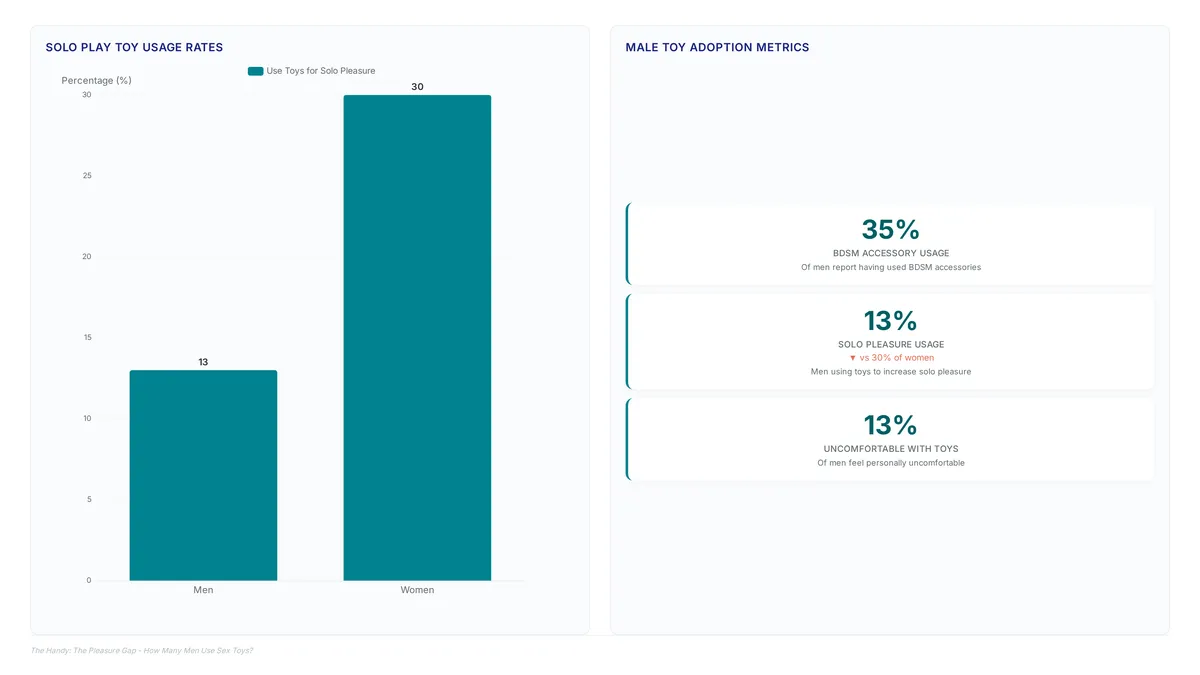
Structured dialogue precedes physical introduction, replacing spontaneous guesswork with clear communication. This framework encourages partners to discuss mutual goals and stimulation preferences beforehand rather than risking discomfort through impulsive additions. Sex toys provide new ways to explore pleasure and different sensations all over the body while bridging gaps between individual desires.
The process functions through three distinct considerations:
- Establish curiosity-driven intent rather than performance pressure.
- Identify target zones for external or internal stimulation based on individual anatomy.
- Select devices that bridge satisfaction gaps without replacing existing intimacy dynamics.
Toys act as enhancements rather than replacements within this methodical integration. Couples create a unified strategy by addressing usage patterns where solo adoption differs notably between genders.
Step-by-Step Checklist for Initiating the Conversation
- Schedule the discussion at a time when both partners feel safe and unpressured.
- Frame the inquiry around shared curiosity rather than correcting a perceived deficiency in your current intimacy.
- Acknowledge hesitation openly, recognizing that discussing new sensations requires vulnerability from both parties.
- Select a specific category like couples' vibrators or cock rings to narrow the overwhelming market scope.
A pre-negotiated script allows couples to bypass the ambiguity that often leads to silence.
| Phase | Action Item | Goal |
|---|---|---|
| Timing | Neutral setting | Reduce anxiety |
| Phrasing | Curiosity focus | Avoid blame |
| Selection | Specific category | Limit options |
The psychological barrier remains the primary obstacle instead of the hardware itself.
Integrating Wearable and Unobtrusive Vibrators into Routines
Select wearable vibrators or hands-free options first to minimize physical intrusion during initial shared experiences. This approach addresses the market shift toward accessories prioritizing comfort over complexity for new users. Consumer demand for non-electronic accessories reflects a desire for simplicity alongside technological options during the 2025, 2026 period.
- Identify a low-profile device designed for continuous wear without manual adjustment.
- Discuss specific placement preferences to ensure the dual stimulation enhances rather than distracts from connection.
- Activate the device during foreplay to normalize the sensation before penetrative acts begin.
Expert reviews now prioritize discretion in product recommendations because people want tools integrating into existing intimacy routines. Unobtrusive designs allow partners to maintain eye contact and physical closeness without mechanical interruption unlike bulky alternatives.
Curated wearable solutions align with this comfort-first philosophy so both partners remain engaged without technical friction. Couples bypass the awkwardness of manual operation by wearing the device. This structural change allows the intimacy protocol to focus on mutual response rather than device management. Technology becomes invisible so connection remains the sole focus of the experience.
About
Sofia Reyes is a certified sex educator and somatic intimacy coach at Mysteries.love, specializing in pleasure-centered education and body awareness. Her expertise directly informs this guide on couples' sex toys, as her daily work involves helping partners navigate desire discrepancies and communication barriers through evidence-based intimacy techniques. Rather than simply listing products, Sofia connects physical tools to emotional connection, ensuring that introducing new sensations supports deeper relational trust. At Mysteries.love, the editorial mission focuses on practical sex education that bridges modern sextech with psychological wellness. This approach allows Sofia to curate recommendations that prioritize shared exploration and safety over mere novelty. By grounding product discussions in somatic principles, she helps couples move past hesitation, transforming potential anxiety into opportunities for vulnerability and growth. Her background ensures that every suggestion aligns with Mysteries.love's commitment to supporting lasting intimacy through informed, conscious choices tailored to each couple's unique flexible.
Conclusion
The real friction point emerges not from device complexity, but from the operational silence that occurs when partners avoid initiating due to fear of judgment. While hardware has evolved to be invisible, the psychological cost of misaligned expectations remains high, creating a hidden tax on intimacy where curiosity dies before it can be tested. This flexible stalls progress even when the technology promises smooth integration into existing routines. Couples must treat the introduction of new tools as a structured negotiation rather than a spontaneous event to bypass the 13% initiation gap effectively.
Start by scheduling a neutral conversation this week specifically to define boundaries before any device is purchased or unboxed. This dialogue must occur outside the bedroom to remove performance pressure and ensure both parties view the tool as a shared experiment rather than a critique of current mechanics. By establishing this pre-negotiated script, partners change a potential source of anxiety into a clear pathway for connection. The goal is to normalize the discussion around couples sex toys so that the technology serves the relationship instead of dictating its pace. Taking this single step of verbal alignment ensures that when a device is finally introduced, the focus remains entirely on mutual response rather than mechanical uncertainty.
Frequently Asked Questions
Many men fear their partner will feel uncomfortable with the idea of using toys. Recent data shows 21% avoid these tools specifically due to this concern about causing unease.
Most vulva owners require direct clitoral stimulation to reach orgasm during intimate encounters. Statistics indicate 81% cannot achieve climax through penetrative sex alone without this specific external help.
A significant minority of men feel personally awkward bringing up the topic of sex toys. Research indicates 13% struggle with initiating this dialogue due to fear of rejection.
Most testers report that using shared pleasure devices significantly enhances their partnered experiences. Data indicates 85% of users felt their connection improved after integrating these tools together.
The love egg vibrator provides internal resonance while allowing external control for shared sensations. This compact design helps partners explore different sensations without disrupting physical closeness or eye contact.
References