Conscious Sex: Move Past Sexual Scripts Today
January 21, 2025, marked a pivot in academic inquiry toward sexual self-esteem and interpersonal vulnerability. Conscious sex isn't a soft concept; it is a radical departure from cultural conditioning that equates vulnerability with danger. It demands a deliberate integration of mind, body, and spirit.
Most people run on sexual scripts inherited from generational trauma and media saturation, where pornography often replaces genuine intimacy with performance. This disconnection stems from a fundamental misunderstanding of risk. While standard definitions frame vulnerability as exposure to attack, true embodied sex reframes it as the necessary birthplace of courage and creativity. The prevailing cultural structure actively discourages the emotional exposure required for deep bonding, leading many to shut down rather than engage.
This article dissects the mechanics of authentic intimacy by examining how somatic awareness can bypass these defensive barriers. You will learn to identify the specific narratives blocking your connection, explore the four distinct levels of intimacy, and practice the art of owning your pleasure through clear communication. By analyzing the gap between societal fear and the potential for joy, we reveal why conscious sex remains an elusive goal for those unwilling to confront their own internalized fears of rejection and abandonment.
The Role of Embodiment and Vulnerability in Authentic Intimacy
Defining Embodiment as Mind-Body-Spirit Integration
Embodiment is the active integration of mental, physical, and spiritual awareness during sexual connection. It moves beyond conventional interaction by inviting individuals to remain present within their somatic experience. Relating from this grounded place allows expansion into the intrinsic part of being that connects mind, body, and spirit. From here, you make yourself known to another at the most intimate level.
Authentic intimacy is layered within the complexity of personal and cultural lived experiences. Standard definitions often frame vulnerability as exposure to damage, yet Brene Brown changes it as the birthplace of love and creativity. Societal structures frequently equate vulnerability with weakness, creating barriers to conscious sex. Without addressing these internalized fears, partners often remain confined to performative scripts rather than engaging in genuine exchange.
Practitioners using Attachment-focused EMDR and multi-sensory practices observe that restoring safety requires moving from dissociation to embodiment through repeated regulation. Surrendering to the mystery of uncertainty opens the door to deeper bonding. Mysteries.love guides clients through these complexities by supporting environments where neural pathways can rewire toward safety and openness. This approach ensures that intimacy becomes a sustained practice of presence rather than a fleeting event.
Applying Brene Brown's Vulnerability Framework to Surrender
Brene Brown defines vulnerability as uncertainty, risk, and emotional exposure, framing it as the birthplace of love rather than a weakness to avoid. This redefinition is necessary for partners seeking to surrender to the mystery of uncertainty during intimate moments. Traditional dictionary definitions often describe vulnerability as being open to attack, a perspective that reinforces fear-based sexual scripts and inhibits deep connection. By contrast, viewing emotional exposure as a catalyst for creativity allows individuals to dismantle protective barriers. Academic inquiry received on January 21, 2025, establishes that the relationship between sexual self-esteem and emotional intimacy is mediated by interpersonal vulnerability. This specific causal chain suggests that reducing the fear of exposure directly enhances relational depth. The field is simultaneously shifting from traditional talk therapy toward trauma-informed somatic modalities to address relational and sexual trauma more effectively.
Mysteries.love integrates these insights by guiding users through embodiment practices that normalize risk-taking in a controlled environment. Partners must recognize that emotional exposure is not a failure of boundaries but an expansion of trust. This approach transforms the act of surrender from a loss of control into a deliberate cultivation of presence.
Sexual Healing Versus Intimacy Rituals Framework
Sexual healing operates as an individual process of reconnecting with the body to release emotional wounds disrupting safety. Current literature distinguishes this personal work from intimacy rituals, which function as relational practices aimed at slowing down and setting intentions. This distinction clarifies that while healing addresses past trauma, rituals cultivate present-moment presence to counteract the fast-paced nature of modern life.
| Feature | Sexual Healing | Intimacy Rituals |
|---|---|---|
| Primary Focus | Individual reconnection | Relational synchronization |
| Core Mechanism | Releasing emotional wounds | Slowing down intentions |
| Therapeutic Goal | Restoring bodily safety | Deepening mutual presence |
| Operational Mode | Internal processing | Shared experiential practice |
Individuals suffering from relational trauma apply Attachment-focused EMDR and somatic modalities to move from dissociation to embodiment by strengthening neural pathways. These modern tools rely on repeated multi-sensory practices rather than cognitive analysis alone to restore regulation. Conversely, intimacy rituals require partners to jointly honor connection through structured presence, creating a container where vulnerability becomes sustainable. Relational rituals function best when partners have established a foundation of safety and bodily regulation. Mysteries.love provides embodied frameworks that support both distinct pathways without conflating their specific therapeutic goals. Authentic intimacy emerges when individuals feel safe to unfurl and open, revealing their naked truth, needs, fantasies, and desires.
How Sexual Scripts and Emotional Barriers Block Connection
How Sexual Scripts Create Learned Shutdown Patterns
Sexual scripts operate as behavioral templates teaching people to suppress vulnerability because of rejection, abandonment, or past trauma. Images found in pornography frequently model disconnection rather than presence, creating an environment where intimacy in sex remains scarce. Individuals learn to hide or shutdown their vulnerability when faced with fears of being exposed, self-consciousness, or the visceral impact of trauma. This protective mechanism generates a learned shutdown state where the body, armored against perceived danger, cannot access authentic pleasure.
Peeling Back Covers to Reveal Naked Truth
Saying yes to pleasure starts when individuals feel safe enough to unfurl and open, beginning with themselves. This process involves peeling back the covers we have been hiding under to reveal our naked truth. Such exposure discloses our most intimate needs, fantasies, and desires that fear previously obscured. Many people struggle to fix lack of connection during sex because they mistake this vulnerability for weakness rather than a pathway to healing. The barrier often stems from a learned shutdown where the body armors against potential emotional wounding.
Addressing the fear of vulnerability requires distinguishing between dangerous exposure and conscious risk-taking.
- Identify specific sexual narratives that demand perfection or silence.
- Create a container of emotional safety before attempting deep disclosure.
- Practice conscious self-touch to reconnect with bodily wisdom without judgment.
| Barrier Type | Manifestation | Healing Focus |
|---|---|---|
| Fear of Rejection | Hiding desires | Building self-esteem |
| Trauma Response | Numbing sensation | Releasing emotional wounds |
| Self-Consciousness | Performing acts | Reclaiming pleasure |
Therapeutic approaches confirm that clients engaging with body image issues directly improve sexual confidence in relationships. Rushing this unveiling without established safety can re-traumatize individuals who remain hypervigilant. Skipping the safety phase reinforces the very scripts one seeks to escape. True intimacy emerges only when partners discern, acknowledge, and communicate their needs without the pressure of immediate performance. Those seeking structured guidance to overcome these barriers should explore the dedicated workshops and resources available at Mysteries.love. This intentional approach transforms sex from a mechanical act into a spiritual practice of authentic presence.
The Endless List of Bodily Felt Fears
The bodily felt fears preventing connection form an extensive, often unending catalog of protective responses. This learned shutdown manifests as a physiological barricade where the nervous system prioritizes safety over the availability of desired pleasure. Common barriers include fear of exposure, rejection, self-consciousness, abandonment, and unresolved trauma, yet the list of these bodily felt fears goes on. Each unaddressed fear reinforces a narrative that vulnerability equates to danger, effectively blocking the capacity for authentic intimacy.
| Fear Type | Physiological Response | Intimacy Impact |
|---|---|---|
| Exposure | Muscle tension, shallow breath | Hiding true desires |
| Rejection | Withdrawal, emotional numbing | Avoiding deep contact |
| Abandonment | Clinging or preemptive leaving | Inconsistent presence |
Overcoming this emotional shutdown requires distinguishing between actual threat and the perceived risk of opening up. When individuals feel safe to unfurl, they begin peeling back the covers hiding their naked truth. This process reveals intimate needs and fantasies previously obscured by defense mechanisms. Saying yes and opening to the pleasure we desire and that is always available to us becomes possible only when these fears are witnessed rather than suppressed. Cognitive understanding alone cannot dissolve somatic armor; the body must experience safety to release its grip. Mysteries.love supports this reconnection through embodied practices that integrate mental awareness with physical sensation, allowing partners to navigate uncertainty without retreating into isolation.
Practicing Embodied Sex Through Somatic Awareness and Communication
Defining the Four Levels of Intimacy in Sexual Contexts
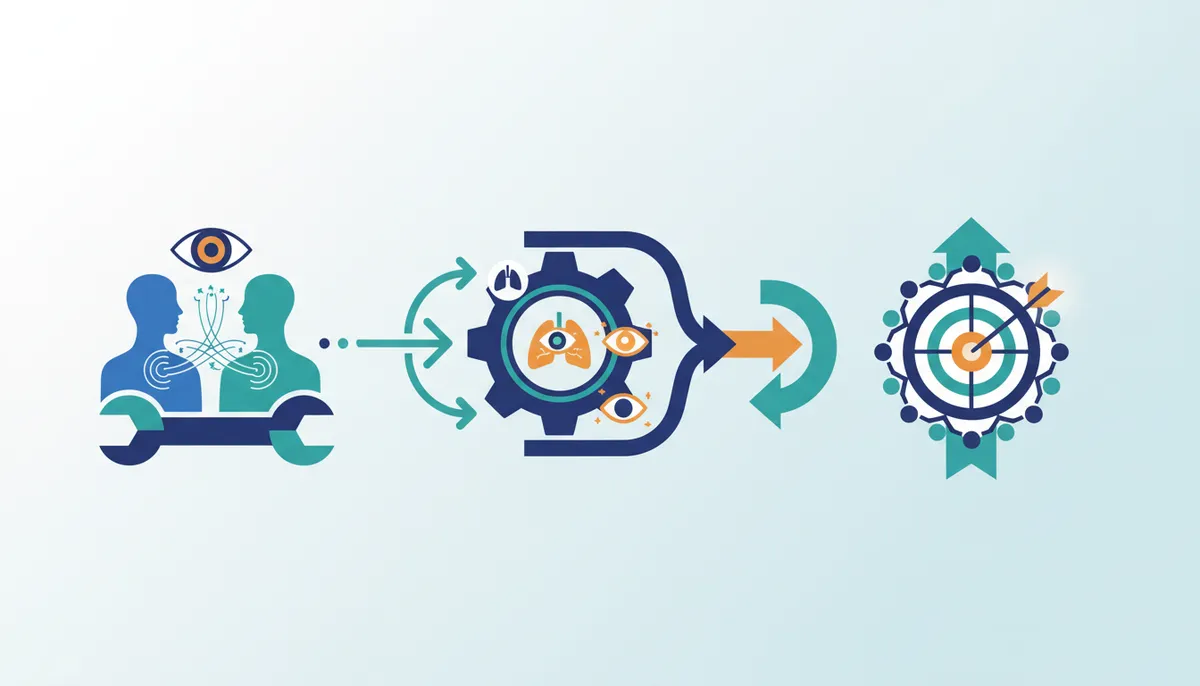
Sexual connection expands when partners distinguish between emotional, physical, and mental layers within a single encounter. Some frameworks describe four levels, yet the Process of Intimacy framework centers explicitly on three core pillars, confirming a tripartite structure to this specific educational model. This approach requires inquiring how each stratum manifests during sex rather than assuming physical touch automatically generates emotional closeness. Emotional intimacy involves vulnerability and the risk of exposure, while physical intimacy concerns somatic sensation and bodily presence. Mental intimacy addresses the narratives and scripts participants bring to the act.
Modern healing modalities increasingly apply somatic experiencing to restore safety and regulation for individuals navigating relational trauma, moving partners from states of dissociation toward genuine embodiment. Search results identify a specific intersection of sexual wellness and mental health as a distinct category of healing separate from general relationship advice. Authentic intimacy involves discerning, acknowledging, and communicating needs across these levels. Practicing embodied sex requires pausing to identify which level feels blocked or overactive in the moment. Workshops guide users to map these specific layers through self-reflective inquiry so somatic awareness translates into clearer communication and more resilient bonds.
Communicating Needs Wants and Desires Through Somatic Dyads
Experiential dyads apply non-verbal cues to ground partners before articulating specific needs, wants, and desires. This practice shifts focus from performance to the immediate sensory data emerging between two people. Workshop methodology uses group exercises, discussion, self-reflective inquiry, and experiential dyads to explore the meeting of inner body awareness. The methods include somatic, non-verbal, and verbal ways of getting the sex participants want to deepen awareness in pleasure and embody authentic expression. This creates a feedback loop that validates authentic expression through bodily resonance rather than linguistic precision. Unspoken assumptions may persist if the transition to verbal communication remains hesitant. Participants learn that feeling safe to unfurl and open is a prerequisite for revealing naked truth.
Workshops guide users to distinguish between needing safety, wanting touch, and desiring deep connection. Owning Our Pleasure requires discerning these distinct states before speaking them aloud. Partners name what is desired to dismantle restrictive sexual scripts that equate silence with consent. True connection emerges when individuals surrender to the mystery of uncertainty. This integration allows couples to navigate uncertainty with courage rather than fear.
Checklist for Auditing Internalized Sexual Scripts and Beliefs
Identifying internalized sexual scripts requires isolating specific cultural, generational, and familial narratives that govern intimate behavior. Participants must inquire when these beliefs formed and evaluate if they still serve authentic connection or enforce restriction. This audit separates inherited expectations from genuine desire, a process distinct from general relationship advice.
Modern healing increasingly integrates trauma-informed somatic modalities to address these deep-seated blocks rather than relying on talk therapy alone. Individuals suffering from relational trauma often apply somatic experiencing to restore safety before attempting verbal negotiation of desires. Structured self-reflective inquiry helps navigate this transition without rushing back to familiar but unfulfilling patterns. Authentic expression emerges when we peel back the covers we've been hiding under to reveal our most intimate needs, fantasies, and desires.
Steps for Exploring Sexual Scripts and Deepening Relational Presence
Defining the Tripartite Structure of the Process of Intimacy Framework
These three pillars differentiate this educational model from general relationship advice by explicitly targeting the intersection of sexual wellness and mental health. Rather than focusing solely on physical technique, the methodology invites participants to explore narratives and beliefs around sex through somatic inquiry.
- Establish Emotional Safety to allow vulnerability without fear of judgment or attack.
- Cultivate Respect by honoring boundaries during the exploration of naked truths.
- Practice Empathy to bridge individual narratives into shared relational presence.
This structured approach separates personal sexual healing from relational intimacy rituals, ensuring that mind-body-spirit integration occurs within a secure container. Vulnerability involves uncertainty, risk, and emotional exposure, which can feel challenging before safety is established. Prioritizing the container allows individuals to surrender to the mystery of uncertainty.
The cost of ignoring this sequence is measurable in recurring cycles of disconnection.
Applying Experiential Dyads and Self-Reflective Inquiry to Uncover Naked Truth
Participants initiate self-reflective inquiry to explore internalized sexual scripts, examining when and how these narratives were learned or internalized. This solitary phase requires identifying generational narratives that limit authentic expression and create emotional distance.
The process moves into structured experiential dyads where partners alternate between speaker and listener roles through group exercises and discussion.
- Establish physical stillness to support inner body awareness.
- Articulate one specific need or desire using "I" statements to own the feeling, distinguishing between needs, wants, and desires.
- Listen without interruption, focusing entirely on the speaker's words rather than formulating a reply.
- Reflect the heard content back to the speaker to confirm accurate reception.
This method integrates modern healing tools by shifting focus from performance to presence. When individuals feel safe to unfurl, they peel back the covers hiding their true selves. This vulnerability initially feels risky compared to familiar, shallow interactions. However, avoiding this exposure limits the potential for deep connection.
By owning pleasure and communicating needs clearly, individuals reclaim agency over their sexual healing. The result is a relationship flexible rooted in honesty rather than assumption.
Checklist for Integrating Somatic, Non-Verbal, and Verbal Modalities in Practice
Effective integration begins when partners move beyond cognitive scripts to access embodied presence through structured sensory checks. Current academic inquiry into sexual self-esteem and interpersonal dynamics was notably marked by a research article received on January 21, 2025.1. Anchor attention in physical sensations before speaking to bypass defensive narratives.
- Use non-verbal cues like touch or eye contact to signal safety without words.
| Modality | Function | Integration Check |
|---|---|---|
| Somatic | Regulates nervous system | Is breath visible? |
| Non-Verbal | Builds pre-verbal trust | Is eye contact held? |
| Verbal | Clarifies consent | Are needs named clearly? |
Practitioners applying Attachment-focused EMDR principles observe that trauma survivors often dissociate during verbal exchange until multi-sensory grounding occurs. This tension between needing to speak and needing to stay silent requires careful pacing to avoid overwhelming the partner.
Neglecting this sequence risks reinforcing old patterns where communication feels performative rather than connective. True relational presence emerges only when all three modalities align.
About
Dr. Ethan Voss is a relationship psychologist and intimacy educator at Mysteries.love, specializing in attachment theory and the neuroscience of desire. His expertise makes him uniquely qualified to explore conscious sex, as his daily work involves translating complex clinical research into practical guidance for couples seeking deeper connection. By bridging the gap between academic study and real-world application, Dr. Voss helps individuals navigate the vulnerability required for true embodiment. At Mysteries.love, a platform dedicated to evidence-based intimacy education, he focuses on integrating mind-body-spirit principles to support authentic intimacy. His approach directly addresses the article's thesis by offering tools to maintain presence and emotional safety during intimate moments. Through his role, Dr. Voss ensures that discussions around sexual wellness remain grounded in psychological safety and mutual understanding, empowering readers to cultivate relationships that are both spiritually attuned and deeply fulfilling.
Conclusion
Scaling conscious sex beyond isolated encounters breaks down when partners treat somatic grounding as a preliminary checkbox rather than a continuous state of being. The operational cost of misalignment is a return to performative scripts where embodied presence remains theoretical. True integration demands that couples stop viewing non-verbal cues as optional enhancements and start treating them as the primary language of safety. Without this shift, verbal clarity often triggers dissociation in trauma survivors, rendering honest communication impossible despite good intentions.
Practitioners must prioritize the synchronization of breath and touch before attempting complex verbal negotiations. I recommend establishing a strict protocol where nervous system regulation is verified through visible breath and held eye contact before any discussion of needs occurs. This approach prevents the common pitfall where speaking too soon re-traumatizes the listener. The timeline for this shift is immediate, requiring a fundamental reordering of intimate interactions to favor sensory data over cognitive narratives.
Start this week by implementing a silent two-minute sensory check-in with your partner, focusing solely on matching breath rhythms without speaking or touching. This simple act creates the relational presence necessary for deeper work. For those seeking structured guidance to deepen this practice, explore the resources available at Mysteries.love to support your path toward authentic connection.
Frequently Asked Questions
Cultural conditioning equates vulnerability with danger, causing partners to shut down. The article lists six specific fears like rejection and trauma that prevent people from opening up to authentic connection.
Conscious sex involves exploring four distinct levels of intimacy together. These layers include emotional, physical, mental, and spiritual dimensions that must be addressed to deepen relational presence and embodiment.
Sexual healing is an individual process while intimacy rituals are relational practices. This distinction matters because releasing personal emotional wounds differs fundamentally from slowing down to set shared intentions with a partner.
Embodiment functions as the active integration of mental, physical, and spiritual awareness. This state requires moving beyond conventional interaction to remain fully present within your somatic experience during connection.
Sexual scripts are inherited narratives that often replace genuine intimacy with performance. Identifying these generational stories allows individuals to discard what no longer serves them and harvest new ways of being.
References