Sexual preoccupation: Distinguishing urge from trauma
Up to 60% of adults with sexual concerns never seek professional help. This isn't a gap in awareness; it is a failure of access and vocabulary. In regions like India, cultural taboos actively suppress clinical disclosure, forcing patients to suffer in silence while clinicians miss the root causes. Roughly 40% of women and 30% of men report a sexual concern during adulthood, yet standard intakes often lack the dedicated tools to catch them.
Without instruments like the Intimacy Assessment (IA) or the Sexual Preoccupation reflection found in the Mindtalk app, providers conflate relational friction with medical conditions. Hormonal imbalances or pelvic floor dysfunction get misdiagnosed as relationship issues. Effective recovery demands we stop guessing. We must address biological and emotional dimensions simultaneously. The following sections detail how clinicians apply the Female Sexual Function Index alongside trauma screeners to map complex cases. By integrating these evidence-based protocols, practitioners can move beyond superficial advice to deliver targeted interventions for distressing conditions.
The Role of Multidimensional Intimacy Assessments in Identifying Sexual Concerns
Defining Sexual Desire Discrepancy and Preoccupation Patterns
Partners seeking different frequencies of intimacy create what clinicians call sexual desire discrepancy. This isn't merely a scheduling conflict; it generates a specific relational tension where one pursues connection while the other withdraws. Clinical data identifies this divergence as a primary driver for couples seeking support. Distinguishing this situational friction from individual pathology is the first step toward effective intervention.
Sexual preoccupation operates differently. It presents as distressing thoughts or behaviors that hijack daily life, distinct from simple mismatched libidos. To parse these, clinicians deploy additional assessments, including the Female Sexual Function Index (FSFI) and male equivalents, during extended intakes. This tiered protocol prevents the premature pathologizing of normal variation. However, a hard constraint exists: self-administered tools cannot replace medical evaluation for physiological pain or erectile difficulty. Assessment order dictates treatment trajectory. Thorough evaluation ensures both identity and function are addressed, allowing clinicians to target the correct mechanistic layer of sexual health.
Physical and Psychological Drivers Behind Painful Sex and Sexual Trauma
Hormonal Imbalances and Pelvic Floor Dysfunction as Pain Triggers
Biology often sets the stage before psychology takes over. Thyroid function and testosterone levels dictate tissue elasticity alongside arousal capacity. When oestrogen declines or prolactin rises, vaginal lubrication drops while pain sensitivity spikes. SSRIs notoriously reduce libido and delay orgasm, layering psychological distress atop physical discomfort. These physiological shifts frequently manifest as dyspareunia, establishing a cycle where the anticipation of pain suppresses desire entirely.
Pelvic floor dysfunction represents a mechanical failure where hypertonic muscles refuse relaxation during penetration. This condition often co-occurs with hormonal deficits, creating a compounded barrier to comfortable intimacy. Cultural taboos across many contexts make discussing these physical realities difficult in clinical settings, but the body keeps the score regardless of silence. Physical pain triggers a protective guarding response that talk therapy alone cannot dismantle. Establishing the hormonal baseline is a prerequisite for effective sexuality assessment. Ignoring the biological substrate renders psychological intervention ineffective for many clients.
Applying Dual-Dimension Treatment for Trauma and Medication Side Effects
Restoring function requires clinicians to simultaneously manage SSRI-induced libido reduction and unresolved trauma history. When SSRs notoriously reduce libido and delay orgasm, the resulting sexual silence can mimic trauma-based avoidance, confusing diagnosis. Good treatment addresses both physical and psychological dimensions, yet many protocols isolate these factors. A patient processing past violation may halt sensate focus exercises if medication side effects prevent physiological arousal, creating a false negative for therapy efficacy.
Treating trauma without adjusting for pharmaceutical constraints often reinforces failure. Individuals navigating these overlapping barriers require a shame-free space to address questions specific to their embodied experience. Modern frameworks support an empowered approach where each person defines their own erotic manner, ensuring interventions respect unique templates. Specialized assessments, such as the Intimacy Assessment, help differentiate between chemical dampening and psychological roots. Solutions guide users through this dual-layer analysis, providing tools to track how medication timing correlates with intimacy windows. This integrated view prevents premature termination of effective trauma therapies due to unmanaged physiological hurdles.
The Risk of Untreated Sexual Concerns Amid Cultural Taboos
Silence surrounding sexual pain often stems from deep-seated cultural conditioning rather than a lack of solutions. When individuals avoid clinical spaces due to shame, treatable conditions like pelvic floor dysfunction or hormonal imbalances worsen over time. This avoidance leaves trauma history unaddressed, allowing anxiety to reinforce physical symptoms like dyspareunia.
Fear of intimacy becomes a permanent relational strategy through the consolidation of avoidance behaviors. Temporary discomfort evolves into entrenched sexual anxiety that resists casual resolution. Bringing these topics into a professional setting acts as a protective measure against long-term relational fracture. Specialized frameworks, such as those analyzing sexual preoccupation or orientation, provide necessary structure for healing. Evidence-based resources bridge the gap between silent suffering and effective care by integrating physical and psychological dimensions to address root causes. Professional guidance transforms vague distress into actionable pathways for restoration.
Evidence-Based Protocols for Fixing Mismatched Desires and Recovering from Trauma
Sensate Focus and Cognitive-Behavioural Sex Therapy Set
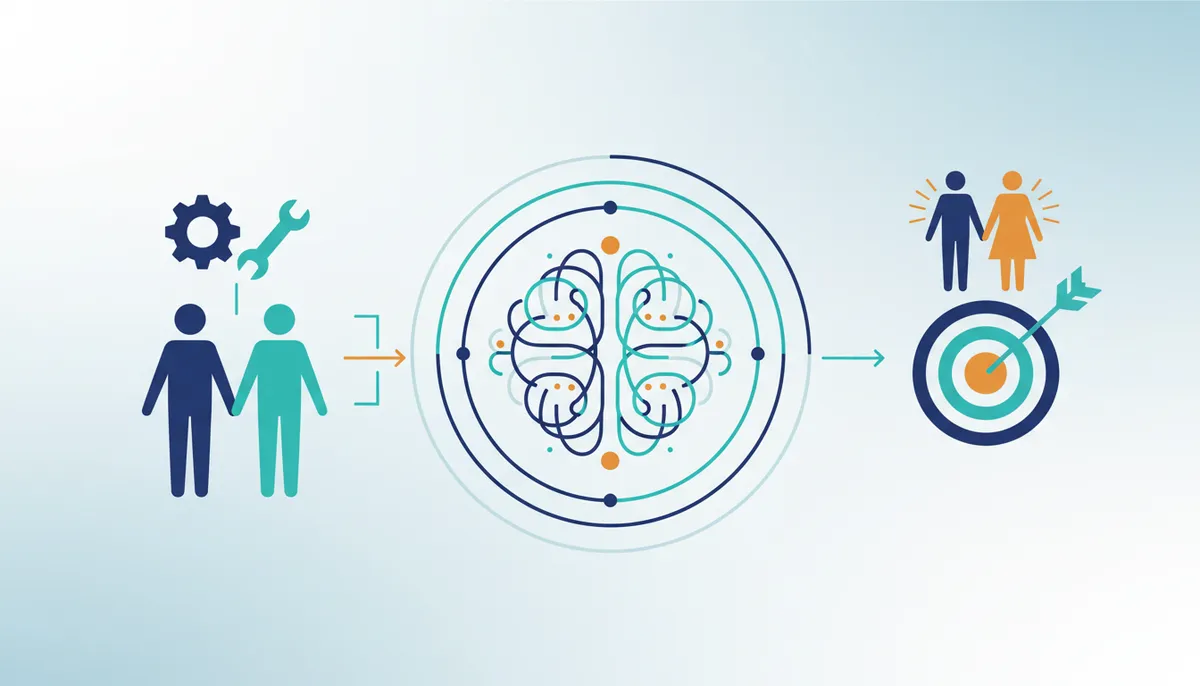
Sensate focus, originating from the Masters and Johnson lineage, works for most sexual difficulties by addressing sexual anxiety directly. Cognitive-behavioural sex therapy targets sexual anxiety, avoidance, and cognitive patterns. By challenging automatic negative thoughts about intimacy, this approach effectively treats sexual difficulties where cognitive patterns maintain distress.
| Feature | Sensate Focus | Cognitive-Behavioural Sex Therapy |
|---|---|---|
| Primary Mechanism | Tactile engagement | Cognitive restructuring |
| Target | Sexual anxiety | Maladaptive thought patterns |
| Outcome | Reduced anxiety | Modified belief systems |
Confusion remains regarding specific updated instructions for optimizing intimate interactions versus treating sexual distress generally. While effective, these modalities address sexual difficulties through established therapeutic frameworks. Individuals seeking structured guidance on applying these evidence-based principles can find specialized resources designed for modern intimacy education.
Applying Sensate Focus to Fix Mismatched Sexual Desires
Couples therapy, such as Emotionally Focused Therapy or the Gottman Method with a sex-therapy-trained clinician, addresses desire discrepancy and relational contributors. Partners work to redirect attention from goal-oriented outcomes to immediate tactile sensations. This structural shift reduces sexual anxiety by removing the pressure for arousal or intercourse during the exercise. Clinical literature notes that confusion often persists regarding specific updated instructions for distinguishing between treating sexual distress versus optimizing intimate interactions. Isolating Sensate Focus as an independent variable remains difficult without rigorous investigation including randomized control trials.
The intervention addresses avoidance cycles common in relationships where one partner desires less contact. Resources like the Intimacy Assessment (IA) help quantify the quality of connection before beginning tactile exercises. Adhering to the therapeutic framework helps maintain focus on non-demand touching, supporting the mechanism of reducing performance pressure. Structured educational frameworks support these evidence-based intimacy practices for adult learners, emphasizing body-aware education grounded in modern sexual wellness research rather than unverified claims.
Trauma Recovery Checklist: EMDR, TF-CBT, and Medical Interventions
Recovering from sexual trauma involves EMDR or TF-CBT protocols.
| Intervention Target | Primary Modality | Clinical Goal |
|---|---|---|
| Neural Processing | EMDR / TF-CBT | Reprocess traumatic memory networks |
| Hormonal Balance | Medical Evaluation | Correct thyroid or sex hormone deficits |
| Muscular Tension | Pelvic Floor Physiotherapy | Reduce pain and involuntary guarding |
| Vascular Function | PDE-5 Inhibitors | Support physiological arousal capacity |
Specialists apply tools like the Intimacy Assessment (IA) to establish a baseline for intimate connection distinct from trauma symptoms. Bypassing medical evaluation risks misdiagnosing treatable physical conditions as purely psychological resistance. Clinical sex therapy frameworks emphasize that healing demands simultaneous attention to the body's regulatory systems and the mind's narrative processing. An integrated diagnostic approach ensures no physiological driver remains unaddressed during recovery.
Implementing a Pathway to Professional Sex Therapy and Online Support in India
Defining Clinical Indicators for Sex Therapy Intervention
Professional intervention becomes necessary when sexual concerns negatively impact relationship stability, personal wellbeing, or self-concept.
- Assess functional impairment: Distress regarding sexual identity or recovery from trauma indicates a need for specialized support beyond general counseling.
- Identify co-occurring conditions: Sexual difficulties appearing alongside depression or anxiety often require integrated treatment plans addressing both mental health dimensions.
- Evaluate avoidance patterns: Individuals unable to discuss sexuality with partners face compounded relational strain without clinical facilitation.
Distinguishing normal variation from clinical need involves recognizing persistent distress rather than frequency alone. Tools like the Sexual Orientation Test (ORIENT) help clarify specific areas requiring attention. Mindtalk clinicians across Bangalore, Hyderabad, and Mysore address these indicators through evidence-based protocols. Resources that normalize these conversations ensure individuals recognize when professional guidance is the appropriate next step for their intimacy health.
Applying Partner Communication Strategies for Sexual Concerns
Initiating dialogue requires shifting focus from individual performance to shared relational wellbeing. Cultural norms in India often render direct clinical discussion rare, creating a barrier where partners avoid topics entirely rather than risk conflict. This silence frequently masks underlying distress, as difficulty raising sexuality with a partner serves as a primary indicator for seeking specialist support.
- Schedule a neutral time: Choose a moment free from sexual pressure to introduce the topic using "we" language.
- Normalize the experience: Frame sexual concerns as common physiological or psychological responses rather than personal failures.
- Verify provider rigor: Ensure that clinical sex therapy providers apply validated screening tools before treatment begins.
- Confirm credential specificity: Ensure clinicians hold specialized training rather than general counseling licenses, as standard mental health degrees often omit psychosexual assessment protocols.
- Validate diagnostic instruments: Request confirmation that the platform administers the ITQ trauma screener and PHQ-9 depression test to rule out co-occurring conditions.
- Check geographic licensing: While many services claim national reach, verify active licensing for Bangalore, Hyderabad, and Mysore if local referral networks are required.
| Feature | General Telehealth | Specialized Sex Therapy |
|---|---|---|
| Screening Tools | Generic intake forms | ITQ and PHQ-9 |
| Clinician Focus | Broad mental health | Sexual function and trauma |
| Treatment Scope | Symptom management | Sensate focus exercises |
Without specific trauma screening, exposure-based techniques may inadvertently retraumatize patients. The Intimacy Assessment (IA) available through Mindtalk offers a structured alternative to unguided self-reflection. Selecting a provider who ignores these diagnostic layers risks addressing surface symptoms while leaving root causes untreated. Rigorous clinical standards must be integrated directly into intimacy education frameworks.
About
Conclusion
Scaling intimacy support fails when platforms treat complex psychosexual histories as generic mental health cases. The operational cost of skipping validated screening is high: patients endure mismatched interventions that address surface symptoms while ignoring root trauma or depression. Without specific diagnostic layers like the ITQ and PHQ-9, exposure-based techniques risk retraumatizing individuals rather than healing them. This gap explains why so many adults avoid seeking help despite reporting significant concerns.
Providers must mandate specialized credential verification before any therapeutic engagement begins. Do not accept general counseling licenses as sufficient for psychosexual work. Start this week by auditing your current intake process against the Intimacy Assessment (IA) framework to ensure it captures unique erotic templates rather than forcing standardized narratives. Rigorous clinical standards embedded directly into education frameworks ensure that every interaction respects the detailed reality of human connection. True progress requires moving beyond vague self-reflection tools toward structured, clinically sound evaluation methods that prioritize safety and specificity in every session.
Frequently Asked Questions
Cultural taboos often prevent people from discussing intimacy openly. Data shows up to 60% of adults never seek professional help despite needing it. This silence allows treatable conditions to persist unnecessarily for years without proper clinical intervention or support.
Sexual difficulties affect a significant portion of the adult population across genders. Research indicates roughly 40% of women and 30% of men report a concern during adulthood. These high rates confirm that such issues are widespread rather than isolated personal failures.
Self-administered tools cannot replace medical evaluations for physiological pain or dysfunction. While assessments identify relational patterns, physical symptoms require clinical diagnosis to rule out hormonal or structural causes before starting any therapeutic recovery protocol.
Desire discrepancy involves partners wanting different intimacy frequencies, while preoccupation involves distressing thoughts disrupting daily life. Understanding this difference ensures couples pursue negotiation strategies or cognitive behavioral interventions appropriate for their specific relational or individual challenges.
The Sexual Orientation Test facilitates identity reflection, while the Intimacy Assessment measures connection quality with a partner. Using both tools prevents conflating personal identity exploration with relationship dysfunction, ensuring accurate diagnosis and targeted therapeutic pathways for individuals.