Sexological bodywork: healing touch for orgasm loss
Suzannah Weiss lost her orgasms three or four years ago. That timeline marks her entry into sexological bodywork. You are looking at a field of hands-on sex educators who deploy one-way touch to treat sexual dysfunction.
Standard sex therapy talks. This approach integrates deep tissue structural massage and pelvic floor specialization to release stored emotional information. It starts with a rigorous intake protocol examining masturbation habits and familial factors before any physical intervention occurs. Mary Shuler, a practitioner with 35 years of experience, uses these methods to help clients navigate shame and trauma through direct somatic engagement.
Here, pelvic tension release mechanics and the specific role of breathwork in regulating arousal responses take center stage. Movement and mindfulness replace the anxiety of performance with an understanding of bodily sensation. By focusing on the physical roots of somatic sexual wellness, the session aims to restore function without the pressure that often accompanies sexual therapy.
Defining Sexological Bodywork as Somatic Therapy
Defining Sexological Bodywork and One-Way Touch Protocols
Sexological bodywork functions as hands-on sex education using somatic tools to fix dysfunction. Mindfulness, breathwork, and movement help clients rediscover physical agency without performance pressure. This method targets women who consistently fail to orgasm with a partner, a large group noted in recent research regarding the physiological need for specific clitoral stimulation.
One-way touch defines this modality. The bodyworker touches the client to map sensation and release tension while the client does not touch the bodyworker. Such boundaries create a container where people experiencing sexual dysfunction, shame, or trauma explore desire without reciprocating or managing another's arousal. Removing mutual touch expectations lets the client anchor into the pressure, temperature, and texture of touch rather than rushing toward an endpoint.
| Feature | Traditional Talk Therapy | Sexological Bodywork |
|---|---|---|
| Primary Modality | Verbal processing | Somatic intervention |
| Touch Policy | Non-touch | One-way touch only |
| Focus | Cognitive insight | Nervous system regulation |
Physical access limits this method, excluding individuals with severe touch aversion or cultural prohibitions against non-partner contact. Talk therapy processes trauma cognitively while bodywork demands the nervous system tolerate direct sensation to rewrite response patterns. This distinction makes the modality powerful for somatic stuckness yet inaccessible for those unready for physical engagement.
Applying Somatic Awareness to Resolve the Orgasm Gap
Somatic interventions target physiological roots of dysfunction when standard education fails to restore function.
Author Suzannah Weiss experienced this disconnect personally, noting her sexual struggles became less exciting and more anxiety-inducing over time. Despite being a certified educator, she required manual stimulation or a vibrator to reach climax, a pattern reflecting broader trends where women frequently do not orgasm with partners. This specific demographic represents a significant portion of individuals affected by the persistent orgasm gap. Relying on high-intensity tools often desensitizes neural pathways, creating a dependency somatic work aims to reverse.
Practitioners apply one-way touch protocols to bypass cognitive performance anxiety and access deep tissue memory.
- The bodyworker applies pressure to pelvic regions while the client remains passive.
- This configuration allows the nervous system to register safety without the demand for reciprocal action.
- Releasing physical tension in the pelvic floor often unlocks suppressed emotional data stored in the musculature.
- Clients learn to distinguish between genuine arousal and forced response.
Regulation requires abstaining from habitual high-intensity stimulation that maintains the dysfunction loop. Industry initiatives now recognize that fixing this disparity takes two, suggesting a hybrid future where technology partners with somatic practice rather than replacing human connection. This approach demands clients suspend the goal-oriented mindset many bring to therapy.
| Traditional Approach | Somatic Intervention |
|---|---|
| Focuses on technique acquisition | Focuses on nervous system regulation |
| Goal is immediate orgasm | Goal is expanded capacity for sensation |
| Often reinforces performance pressure | Reduces demand through passive receipt |
Should you try sexological bodywork? Anxiety overriding pleasure during intimacy signals this modality offers a structured reset. Consult certified professionals who adhere to strict ethical boundaries regarding touch and consent.
Sex Therapist vs Sexological Bodyworker: Talk Therapy vs Hands-On Structural Work
Traditional sex therapy relies on verbal processing whereas sexological bodywork employs direct physical intervention to resolve somatic blockages. Practitioners like Mary Shuler use 35 years of deep tissue structural massage and pelvic floor specialization to address dysfunction. This hands-on structural work examines physical, biochemical, emotional, familial, and religious factors simultaneously. Moving tissue also moves embedded emotion, a result talk therapy cannot replicate alone.
| Feature | Sex Therapist | Sexological Bodyworker |
|---|---|---|
| Primary Modality | Talk Therapy | Hands-On Structural Work |
| Physical Touch | Generally Prohibited | Central Protocol |
| Target Scope | Cognitive/Emotional | Somatic/Biochemical/Religious |
| Practitioner Background | Psychology/Counseling | Massage/Pelvic Specialist |
This structural approach addresses the documented shift from rushing to orgasm toward learning to enjoy the entire process of sex. One-way touch requires specific professional boundaries not present in standard counseling. Clients must distinguish between discussing trauma and physically releasing the tension holding it. Verbal strategies alone often fail when the nervous system remains locked in a defensive posture. True resolution requires the biochemical factors influencing sexuality to be addressed through direct somatic engagement.
Mechanics of Pelvic Tension and Nervous System Regulation
How Pelvic Floor Tension Impedes Blood Flow and Orgasm
Tight pelvic muscles physically restrict the arterial blood flow required for genital engorgement and arousal. Studies suggest that stronger pelvic floor muscles lead to stronger and more frequent orgasms, while tension can cause pain or difficulty orgasming by impeding necessary circulation. Shuler attributed tight muscles to modern habits like sitting at a desk all day, which keeps the pelvic floor in a chronic state of contraction. This sustained tension creates a physiological barrier where the tissue cannot relax enough to permit the vascular expansion necessary for climax. When muscles remain guarded, the nervous system interprets touch as a potential threat rather than an invitation for pleasure. Consequently, the body prioritizes protection over connection, effectively blocking the path to release. Specific sexual difficulties cited include the inability to achieve orgasm without clitoral stimulation, a physiological reality that bodywork practitioners often educate clients about. This dependency often stems from the body compensating for a lack of internal blood flow by requiring intense, localized external pressure. The mechanism is clear: without addressing the underlying muscular restriction, high-intensity stimulation may provide temporary relief but fails to restore natural function.
Releasing this structural tension allows blood to circulate freely, resetting the tissue's capacity for sensation.
Releasing Tissue Trauma Through Internal Bodywork and Verbal Processing
Internal muscle massage combined with vocalized thought processing directly targets somaticized shame stored in pelvic connective tissue. During the massage, the author was asked to speak her thoughts, based on the belief that 'the issue is in the tissues.' In one documented session, this technique prompted a client to recall maternal figures instilling early sexual shame, linking past verbal prohibitions to present-day physical constriction. Shuler explains that moving physical tissue also moves the emotional and spiritual information contained within it. The process requires clients to abandon efficiency narratives, recognizing that sexual function often fails when performance anxiety overrides sensory presence. Unlike talk therapy which analyzes trauma cognitively, this method processes shame through the very nervous system pathways where it manifests as muscle guarding. Clients must navigate the discomfort of hearing their own shame articulated while their body is being manipulated. Ultimately, restoring nervous system safety requires breaking the cycle where shame dictates physical response.
Vibrator Overuse Risks Creating High-Stimulation Dependency
Shuler explained that while research shows vibrator users experience easier arousal and orgasms, they can create a habit of requiring high stimulation, making one less responsive to a partner's touch. This physiological adaptation often manifests as an inability to reach climax without the specific frequency and amplitude of a device. Men's Health cites real-world scenarios where individuals experience difficulty achieving orgasm without direct clitoral stimulation, highlighting a expanding reliance on consistent, high-intensity input. The psychological consequence is equally damaging; the pressure to orgasm creates a self-perpetuating cycle where worry impedes pleasure. Operators of sexual wellness must recognize when efficiency tools become barriers to intimacy.
Executing the Intake and Physical Release Protocol
The Emotional Intake Protocol for Establishing Safety
Mary Shuler sat opposite the author in a cozy living room, asking fastidious questions about upbringing, masturbation habits, fantasies, and past relationships before any physical touch occurred. This initial consultation defines the therapeutic container by mapping sexual history to uncover root causes of dysfunction. Difficulty reaching orgasm is a prevalent issue often linked to complex factors beyond simple mechanics. Establishing psychological safety serves as the primary objective because letting go in the body requires feeling safe with the person facilitating the release. Many individuals struggle because previous partners ignored requests or rushed intimacy, creating a cycle where asking for specific needs feels risky. Societal messaging frequently frames female desire as something that should happen through "losing control," which paradoxically increases anxiety for those trying to force an outcome.
Performance pressure can override physical sensation. This flexible traps clients in a cognitive loop that blocks arousal. Addressing these emotional precursors is necessary, particularly for clients experiencing difficulty achieving orgasm without clitoral stimulation who may misunderstand their own anatomical requirements.
Executing Internal Muscle Release and Tissue Processing
Practitioners initiate somatic release by pressing external and internal pelvic muscles to dissolve chronic tension. This physical intervention targets the belief that the issue resides in the tissues, requiring direct manipulation to restore blood flow and neural flexibility. As the bodyworker applies pressure, clients observe emerging thoughts to process deep-seated shame while the practitioner maintains a steady, non-judgmental presence. The progression moves the client from cognitive analysis to embodied experience. Pleasure stems from focusing on bodily feelings rather than performance outcomes. For individuals experiencing difficulty achieving orgasm without clitoral stimulation, understanding this physiological reality reduces anxiety and reframes the session as educational exploration.
Deep tissue work demands vulnerability. The pressure to perform release can recreate the very anxiety blocking pleasure. Clients often buckle when they treat relaxation as another task to complete efficiently. This approach helps partners learn how to enjoy the entire process of sex rather than rushing toward a specific climax. Decoupling touch from obligation allows the nervous system to reset its baseline for safety and connection.
Overcoming Performance Pressure and Shallow Breathing Patterns
Shallow respiration patterns often signal nervous system arousal that blocks the parasympathetic state required for pleasure. When a client fixates on achieving an outcome, the pressure to perform causes the body to buckle under anxiety rather than relax into sensation. Shuler interrupted to note the author was breathing shallowly and having difficulty turning off her mind. This physiological response often manifests as an inability to reach climax without specific, high-intensity stimulation, a scenario frequently observed in clinical discussions regarding clitoral stimulation dependency. The corrective framework demands a shift from goal-oriented striving to witnessing the present moment without judgment.
Reframing intimacy as a process of discovery rather than a metric of success changes the outcome. A notable case study involving a client named Meg illustrates how shifting focus from rushing to orgasm allowed her to enjoy the entire process of sex. Ignoring this respiratory link perpetuates a shame cycle where the mind remains disconnected from bodily feelings.
Achieving Orgasmic Freedom Through Pressure Reduction
Defining the Efficiency Trap in Sexual Mindsets
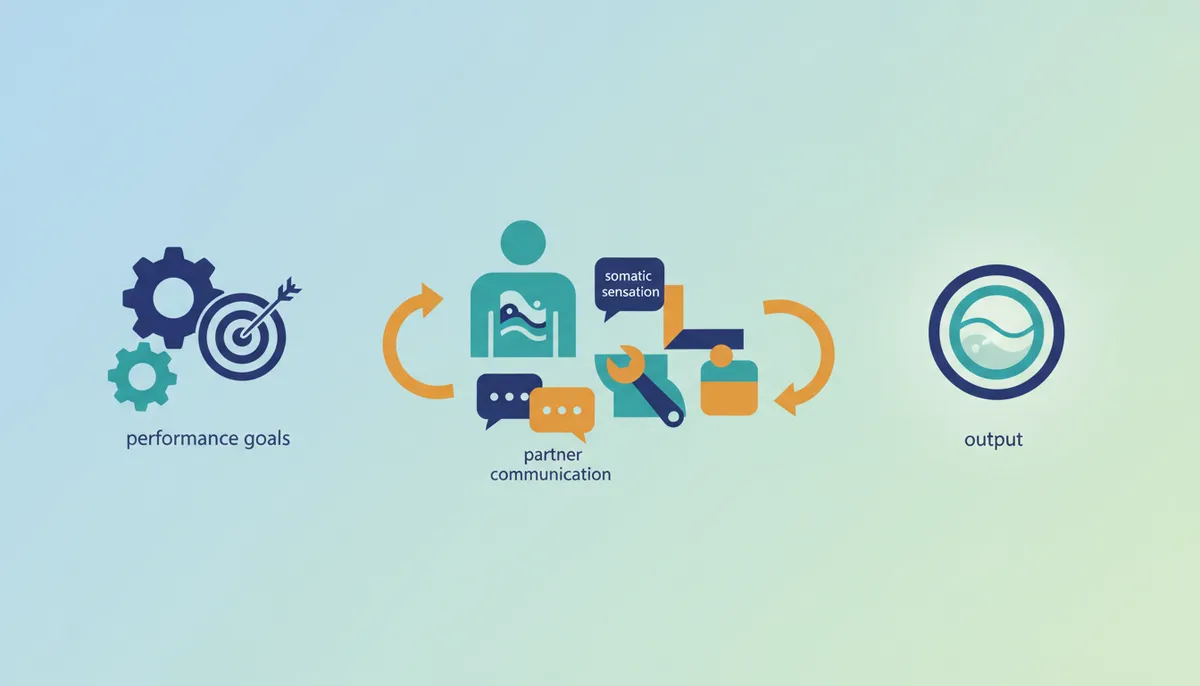
Anxiety blocks the arousal required for release when intimacy becomes a task requiring completion. This efficiency trap turns pleasure into a performance metric, forcing the brain to monitor progress instead of feeling sensation. Mary Shuler challenged the author to question if a 'right' way, frequency, or time frame to orgasm actually exists. Pressure to achieve an outcome impedes the ability to experience the process of touch whenever individuals treat sex as a project to be finished.
| Goal-Oriented Sex | Process-Oriented Sex |
|---|---|
| Focuses on climax as success | Values sensation and presence |
| Creates anxiety about timing | Encourages exploration of desire |
| Often requires high stimulation | Adapts to current body response |
Devices designed to track orgasms reinforce this quantitative approach to wellness. Such tools risk narrowing sexual expression to data points while ignoring the qualitative nature of somatic experience. Breaking this cycle requires accepting that sexual agency includes the freedom to have no specific goal. Maintaining an efficiency mindset costs sensory awareness and connection. Demanding a specific result from one's own body often guarantees its absence. Shifting focus away from the binary of finishing or failing allows for a broader definition of successful intimacy.
Executing Direct Verbal Instructions for Partner Safety
Direct verbal commands like "Put your finger in" establish the psychological safety required to bypass performance anxiety during partner sex. The author experienced multiple orgasms after giving specific instructions such as 'Put your finger in' and 'Lick my clit again.' This approach directly addresses the demographic of women unable to consistently orgasm with partners, a core focus of recent academic research regarding the orgasm gap. Fear that clarity equates to being demanding limits this method. Replacing passive hope with active guidance transforms the flexible from a guessing game into a collaborative somatic practice.
- State immediate physical desires clearly.
- Correct trajectory or speed without apology.
- Affirm successful actions to reinforce patterns.
- Request specific pressure adjustments openly.
Partners can adjust without the burden of mind-reading when they receive clear data. Vulnerability is required to speak desire aloud, yet the result is often a profound shift in sexual agency. True intimacy emerges not from perfect intuition, but from the courage to articulate exactly what is needed in the moment.
Checklist for Transitioning from Goal-Oriented to Process-Focused Intimacy
Valuing the sensation of touch itself replaces measuring sexual success by climax. This shift requires dismantling the efficiency trap where intimacy becomes a task requiring completion rather than an experience to inhabit. The author masturbated without the goal of orgasm, using deep breathing and touching her entire body, and found she enjoyed touching herself for its own sake.
- Pause before touch to establish psychological safety with your partner.
- Replace silent monitoring with direct verbal instructions like "slower" or "stay there."
- Practice enjoying the entire process of sex rather than focusing solely on the endpoint.
| Metric | Goal-Oriented | Process-Focused |
|---|---|---|
| Primary Focus | Climax as success | Sensation and presence |
| Time Perception | Rushed urgency | Expanded duration |
| Outcome | Anxiety cycle | Nervous system regulation |
This transition often reveals how deeply performance anxiety has conditioned responses to lower stimulation levels. Recent industry initiatives highlight the decades-long disparity in sexual satisfaction that somatic practices often target by encouraging couples to enjoy the entire process. Practitioners must accept that removing the goal may initially feel unproductive before it feels liberating. Wanting a result while needing to release the want defines the path to orgasmic freedom.
About
Sofia Reyes is a certified sex educator and somatic intimacy coach at mysteries.love, specializing in sexual wellness and body awareness. Her expertise makes her uniquely qualified to address the complexities of sexological bodywork and the loss of orgasmic connection described in recent discourse. Through her daily practice, Sofia guides individuals through somatic, trauma-informed exercises that reconnect the mind and body, directly addressing the anxiety and disconnection often felt when pleasure becomes elusive. Unlike purely theoretical approaches, her work at mysteries.love bridges the gap between clinical sexology and practical, hands-on intimacy techniques. This aligns perfectly with the article's exploration of how physical tension and mental pressure can alter natural sexual responses. By focusing on pleasure-centered education and inclusive methodologies, Sofia helps readers understand that reclaiming orgasmic potential often requires shifting focus from performance to somatic presence. Her background ensures that discussions around sexual struggles are grounded in both empathy and evidence-based practice.
Conclusion
Scaling somatic sexual wellness beyond isolated sessions reveals a critical friction point: the difficulty partners face in maintaining psychological safety without a facilitator present. While individual practice builds capacity, the real operational cost emerges when couples attempt to translate body-centered sex therapy principles into daily interaction without a structured framework. The removal of performance metrics often creates a temporary vacuum where anxiety spikes before regulation occurs, leading many to abandon the method prematurely.
Practition and clients must commit to a minimum six-week timeline where the explicit goal is non-performance, allowing the nervous system to recalibrate away from the efficiency trap. This approach demands that couples treat verbal instruction not as a failure of intuition but as the primary mechanism for connection. Relying on silent monitoring perpetuates the very performance anxiety these methods aim to dissolve.
Start this week by implementing a "no-goal" touch session where both partners agree that climax is off the table, forcing reliance on the direct verbal instructions outlined in the checklist. This specific constraint interrupts the habitual rush toward an endpoint and creates the necessary space to practice articulating desire aloud. By anchoring the practice in somatic sexual wellness, individuals can build the durability needed to sustain sexual agency outside the therapy room. The path forward requires accepting that initial awkwardness is a feature of the work, not a bug in the system.
Frequently Asked Questions
One-way touch means the practitioner touches the client without reciprocal contact. This boundary allows clients to focus on sensation without managing another person's arousal during the session.
Traditional therapy uses verbal processing while this method employs somatic intervention. Practitioners like Mary Shuler apply 35 years of deep tissue experience to release stored emotional data physically.
This modality suits individuals experiencing sexual dysfunction, shame, or trauma needing physical release. It helps those who cannot access desire due to cognitive performance anxiety or past negative experiences.
The practitioner conducts a rigorous intake examining masturbation habits and familial factors first. This ensures the client feels safe before any physical touch or structural massage occurs in the treatment.
It targets women who consistently fail to orgasm with partners by reducing performance pressure. Recent research highlights this demographic as a core focus for closing the gap.
References