Overcommunication kills desire: Why anxiety drives it
Market data reports show 775% of relationships fail due to communication breakdowns, proving excessive talking destroys bonds. The central thesis argues that anxiety-driven over-communication actively erodes romantic attraction by replacing genuine clarity with exhausting reassurance loops. Readers will discover the psychological roots of this behavior, how premature emotional processing kills desire, and strategies for building emotional self-sufficiency through strategic silence.
Partners misunderstand each other's perspectives up to 90% of the time, a gap widened when one party demands constant verbal validation. Mark Travers Ph. D. Notes that while open dialogue predicts longevity, reassurance-seeking behavior driven by attachment anxiety creates a paradox where more words yield less security. This flexible forces the receiving partner into a role of perpetual soothing, generating emotional fatigue rather than the intended closeness.
The article dissects why "therapy speak" has become a liability in 2026, transforming healthy expression into a stressor that undermines emotional safety. By distinguishing between resolving specific misunderstandings and cycling through unfounded fears, couples can halt the degradation of their connection. The following sections detail how to identify these toxic patterns and implement strategic silence to restore balance and genuine attraction without resorting to game-playing or emotional withholding.
The Psychological Roots of Relationship Over-Communication
Over-communication functions as a maladaptive reassurance-seeking loop driven by attachment anxiety rather than genuine informational gaps. This behavior stems from the attachment behavioral system, an evolutionary mechanism where proximity-seeking becomes a compulsive set-goal regardless of actual partner availability. Individuals exhibiting high anxiety pursue verbal confirmation of security even when no new data exists, creating a validation cycle that paradoxically increases long-term distress.
Research indicates that approximately 90% of messages in these dynamics are misunderstood, widening the gap between intended comfort and received pressure. The anxious vs. Avoidant flexible exacerbates this friction, as one partner's demand for closeness triggers the other's need for distance (anxious vs. Avoidant). Unlike clarity-seeking inquiries that resolve specific ambiguities, anxiety-driven questioning seeks to regulate internal physiological arousal through external co-regulation.
| Communication Type | Primary Goal | Outcome on Anxiety |
|---|---|---|
| Clarity-Seeking | Resolve misunderstanding | Decreases |
| Reassurance-Seeking | Regulate emotion | Increases |
Standard relationship advice often misses the mark by failing to distinguish between processing feelings and dumping emotional flooding onto a partner. When disclosure occurs before internal clarity is achieved, the listener bears the burden of fixing unclear emotions, leading to rapid relationship burnout. True emotional safety requires independent self-soothing prior to joint regulation, shifting the flexible from dependency to grounded connection.
Identifying the Cycle of Short-Term Relief and Long-Term Anxiety
The reassurance-seeking cycle traps partners in a feedback loop where anxiety drives repetitive queries like "Are we okay?" without resolving underlying insecurity.
Partners experiencing attachment anxiety frequently demand verbal confirmation even when no new information exists, mistaking volume for clarity. This behavior creates immediate, temporary relief but ultimately increases long-term distress, forcing the anxious partner to seek validation more often. The flexible shifts communication from a tool for connection into a mechanism for emotional regulation that exhausts the listener.
External analysis highlights how this pattern generates significant stress within modern relationships. Experts note that such interactions create emotional exhaustion by placing undue pressure on one partner to constantly soothe the other. The receiving partner often develops a fear of saying the wrong thing, leading to withdrawal rather than engagement.
| Driver | Intent | Actual Outcome |
|---|---|---|
| Repetitive Questioning | Seek Safety | Erodes Attraction |
| Excessive Detail | Provide Context | Causes Burnout |
| Premature Disclosure | Process Emotions | Increases Distress |
When communication stems from anxiety instead of clarity, it quietly damages the very emotional safety required for a stable bond. The paradox remains that attempting to secure the relationship through constant talking actually pushes partners apart. Breaking this loop requires shifting focus from external validation to internal self-soothing before initiating dialogue.
Clarity-seeking communication resolves specific misunderstandings and reduces anxiety, whereas anxiety-driven over-processing exhausts partners through compulsive validation.
This distinction defines whether dialogue strengthens bonds or accelerates burnout. Healthy exchange targets informational gaps, while maladaptive patterns stem from a desire for closeness that ignores emotional capacity. Experts identify a expanding fatigue with constant emotional processing and therapy speak as primary drivers of relationship exhaustion. The cost of ignoring this boundary is high, contributing to the staggering 775% of romantic relationships reported to fail due to communication breakdowns.
| Feature | Clarity-Seeking | Anxiety-Driven |
|---|---|---|
| Goal | Resolve specific misunderstanding | Seek repeated security confirmation |
| Outcome | Decreases anxiety | Increases long-term distress |
| Trigger | Actual ambiguity | Perceived threat without data |
Over-communication usually stems from care and emotional awareness, yet it functions as a hidden stressor when unchecked. Modern shifts toward emotional overcommunication. This flexible erodes attraction by replacing curiosity with clinical analysis. Partners must distinguish between necessary dialogue and the compulsive need to verbalize every internal fluctuation. Strategic silence allows for self-regulation before engagement, preventing the erosion of emotional safety.
How Premature Emotional Processing Erodes Romantic Attraction
Physiological Arousal Threshold and Emotional Flooding
Communication becomes counterproductive when a partner enters emotional flooding, a state where physiological arousal prevents resolution.
This breakdown occurs because the physiological arousal threshold marks the point where neural processing shifts from logic to survival mode. Attempting co-regulation during this window forces the listener to absorb unprocessed turbulence rather than clear information. The mechanism fails because anxiety-driven disclosure prioritizes immediate relief over mutual understanding, turning dialogue into a unilateral dumping ground. Experts observe a distinct fatigue with constant emotional processing as couples struggle under the weight of uninterrupted verbal analysis.
| State | Speaker Clarity | Listener Response | Outcome |
|---|---|---|---|
| Grounded Disclosure | High | Receptive | Connection |
| Emotional Flooding | Low | Defensive | Distress |
A landmark study confirms that sharing feelings improves satisfaction only when the speaker possesses internal clarity first. The tension lies between the urge to externalize immediately and the requirement for independent regulation. Premature speech bypasses the neural integration necessary for adaptive communication, leaving both parties more confused than before. Partners must adopt a process first discipline to avoid saturating the relationship with unresolved noise. This shift transforms chaotic venting into grounded connection, allowing truth to land without triggering defensive shutdowns. Neglecting this threshold guarantees that every attempt at closeness actually drives partners further apart through accumulated stress.
Rebalancing Polarity Through Emotional Self-Containment
Restoring attraction requires shifting from relational analysis to individual autonomy and independent growth.
Self-expansion theory demonstrates that satisfaction peaks when partners pursue separate interests rather than forcing all development inside the dyad. Excessive focus on internal dynamics reduces polarity, the tension necessary for romantic desire. Couples prioritizing shared novelty over constant emotional dissection report higher engagement levels. This approach counters the exhaustion caused by over-communication Partners often mistake volume for intimacy, yet unregulated expression hinders adaptive communication pathways.
| Communication Mode | Focus | Impact on Attraction |
|---|---|---|
| Anxious Processing | Internal feelings | Erodes mystery |
| Strategic Silence | External growth | Restores tension |
| Clarity Seeking | Specific issues | Resolves conflict |
Operators must implement a "process first, share second" protocol to avoid emotional flooding. Journaling or reflection allows individuals to gain internal clarity before engaging the partner. This discipline prevents the listener from feeling responsible for fixing unclear emotions. Neuroplasticity benefits emerge when emotions are consciously felt alone before being shared together. The awareness paradox suggests that regulated processing strengthens bonds more than immediate disclosure.
Limitations exist when silence mimics avoidance rather than self-regulation. Partners must distinguish between healthy containment and emotional withdrawal. The goal is emotional self-containment, not isolation. Curiosity about the other person flourishes when both individuals maintain distinct identities. Parallel activities create space for desire to re-emerge without verbal negotiation.
Responsive Communication Checklist to Prevent Compulsive Talk
Stop speaking until internal clarity replaces the urge for immediate reassurance.
This validation framework separates healthy expression from anxiety-driven noise. Partners practice functional dialogue when they clarify facts rather than demand endless validation, share emotions without outsourcing regulation, and create closeness without collapsing individuality. The Speaker-Listener technique enforces this by requiring one person to speak while the other paraphrases, preventing the chaotic overlap common in free-flow discussions. Ignoring this structure invites "gunnysacking," where unresolved grievances accumulate until they trigger fiery outbursts.
Apply this four-step filter before initiating difficult conversations:
- Identify if the goal is information gathering or emotional soothing.
- Determine if internal regulation has occurred prior to engagement.
- Assess whether the timing respects the partner's cognitive capacity.
- Verify that the disclosure adds value rather than volume.
Experts note a expanding fatigue with constant therapy speak. The limitation of this checklist is its reliance on self-awareness during high-arousal states. Operators must accept that strategic silence often preserves romantic energy improved than exhaustive verbal processing. Attraction fades when analysis replaces curiosity.
Building Emotional Self-Sufficiency Through Strategic Silence
Defining Responsive Communication Versus Compulsive Sharing
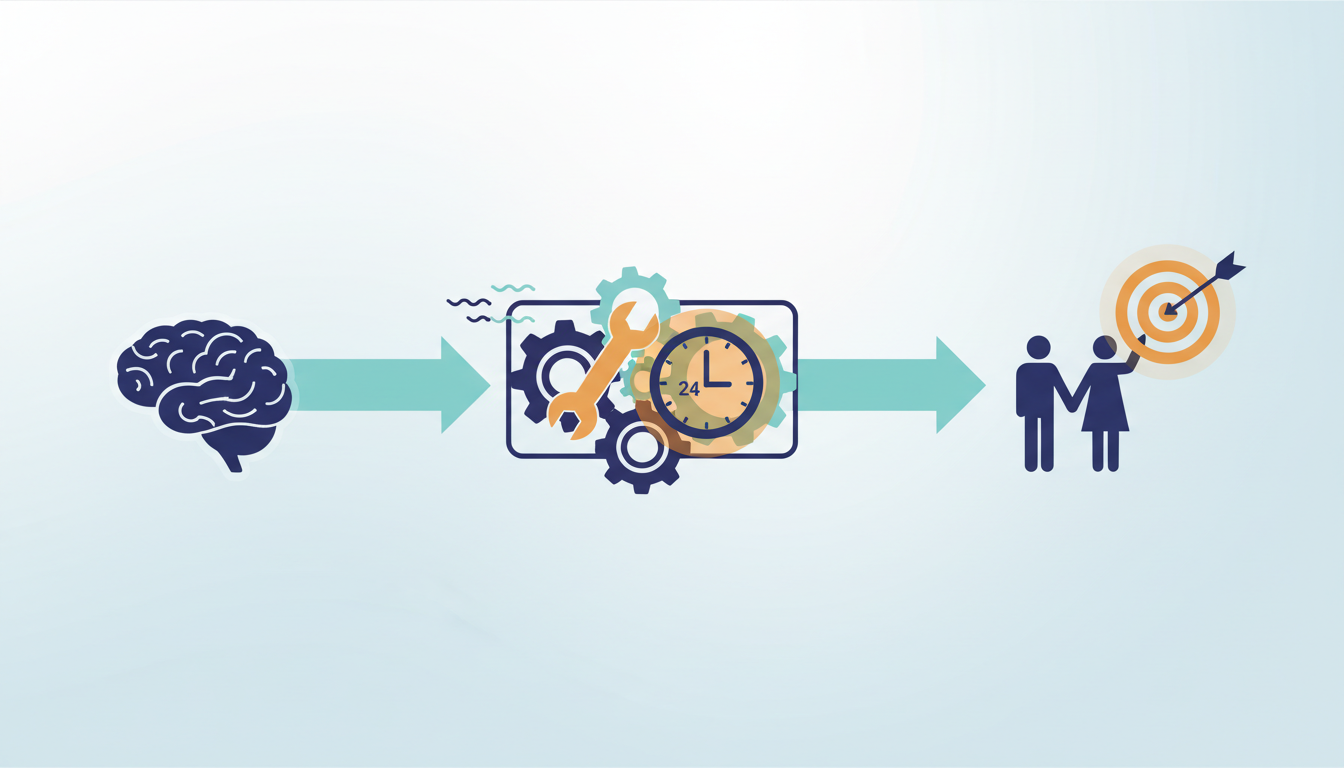
Responsive communication targets specific informational gaps, whereas compulsive sharing dumps unprocessed anxiety onto a partner.
The distinction lies in intent: one seeks resolution, the other seeks regulation. Attachment theory defines the behavioral system driving this compulsion as a proximity-seeking instinct that misfires when internal clarity is absent. Partners often mistake volume for intimacy, yet over-communication characterizes the sharing of excessive information that leads to emotional exhaustion rather than connection. This flexible creates a hidden tax on the relationship, draining energy similarly to how poor workplace messaging consumes roughly 6% of total wages in broader economic models.
| Feature | Responsive Style | Compulsive Style |
|---|---|---|
| Goal | Resolve misunderstanding | Soothe immediate anxiety |
| Timing | After internal processing | During emotional flooding |
| Outcome | Increased security | Heightened dependency |
A landmark 1992 study by Gottman and Levenson confirms that physiological arousal during conflict renders additional verbal processing counterproductive. The overlooked consequence of ignoring this threshold is the erosion of individual autonomy, as the listening partner becomes a assigned regulator rather than an equal. True safety emerges not when everything is discussed, but when trusts exist that necessary matters will surface without demand. Shifting from reassurance-seeking to emotional self-sufficiency breaks the cycle where relief temporarily lowers anxiety only to spike it higher later.
The Pre-Sharing Pause: Asking If You Seek Connection or Calm
Implementing a pre-sharing pause lowers reactivity by forcing a motive check before speech begins.
This technique interrupts the cycle where partners share unprocessed turbulence solely for immediate relief rather than mutual understanding. The operator must interrogate the impulse: "Am I sharing to connect, or to calm my anxiety?" This distinction separates healthy expression from compulsive dumping. Research indicates that sharing feelings improves satisfaction only when the speaker possesses internal clarity, whereas premature disclosure during emotional flooding increases distress for both parties. Without this filter, communication becomes a unilateral demand for regulation that exhausts the listener.
The cost of skipping this pause mirrors the $30,000 annual productivity loss seen in corporate environments due to poor message decoding. In relationships, this tax manifests as emotional fatigue and reduced attraction. A 2026 opinion piece argues that retaining mystery and limits is necessary to counter the stress created by constant emotional processing.
| Motive | Outcome | Partner Perception |
|---|---|---|
| Seek Calm | Temporary relief, increased long-term anxiety | Overwhelmed, responsible for fixing unclear feelings |
| Seek Connect | Deepened intimacy, resolved misunderstanding | Stable, emotionally safe, attractive |
The limitation of this approach is that it requires tolerating short-term discomfort to achieve long-term stability. Many individuals fear that silence signals disengagement, yet trust grows when partners know necessary matters will be discussed with clarity. True safety emerges not from discussing everything, but from trusting that significant issues will surface when ready.
The Stress of Constant Processing and the Loss of Authenticity
Constant emotional articulation generates acute stress by forcing partners to draft "intro paragraphs" for routine interactions.
Experts like Chandni Gaglani Individuals such as Tenaz Cardos The modern decline of "Therapy Speak"
| Behavior | Impact on Autonomy | Resulting State |
|---|---|---|
| Compulsive Processing | Collapses individuality | Partner burnout |
| Strategic Silence | Preserves mystery | Renewed curiosity |
| Anxious Disclosure | Outsources regulation | Emotional fatigue |
Building autonomy in a relationship requires resisting the urge to verbalize every internal fluctuation. Partners who pause before speaking lower reactivity and improve long-term outcomes. The limitation of total transparency is that it removes the space required for independent growth. Authenticity suffers when every thought undergoes immediate external review. Editorial Mission recommends shifting focus from constant explanation to internal clarity.
Knowing When Professional Intervention Is Necessary
Risks: Physiological Arousal Threshold and Emotional Flooding Risks
The 1992 Gottman and Levenson study of 73 couples established that physiological responses during conflict predict relationship failure improved than verbal content. Dialogue collapses when heart rates exceed 100 beats per minute, triggering a fight-or-flight state where cognitive processing shuts down. This emotional flooding renders partners incapable of hearing or retaining information, turning attempted repair into mutual distress.
Research defines this physiological arousal threshold as the precise moment communication shifts from productive to destructive. Pushing past this limit does not resolve issues; it entrenches trauma responses.
- Permanent erosion of emotional safety due to repeated flooding events
- Development of avoidant behaviors to prevent physiological spike
- Misinterpretation of neutral statements as hostile attacks
- Inability to access internal clarity while in a heightened state
Therapy becomes necessary when partners cannot independently recognize or halt these escalation cycles. Professional intervention provides the external regulation required to break the feedback loop of anxiety-driven disclosure. Without this support, the relationship risks calcifying into a pattern where silence feels safer than speech. The Editorial Mission shows that restoring balance requires shifting focus from constant verbal processing to strategic pauses that allow the nervous system to reset.
Real-World Impact of Sledging and Choremance on Commitment
Toxic patterns like sledging and choremance signal avoidance rather than genuine engagement, often necessitating professional intervention before total disconnect. These behaviors mask a failure to commit under the guise of low-effort interaction or shared domestic tasks. The Stella and Jed case study illustrates how excessive dialogue without resolution damages connection, proving that volume does not equal intimacy.
- Erosion of individual autonomy through constant emotional auditing
- Replacement of romantic tension with administrative cohabitation
- Escalation of anxiety despite increased verbal frequency
Professional help becomes mandatory when partners cannot distinguish between clarity-seeking and compulsive reassurance. The Editorial Mission advises interrupting this cycle by enforcing strategic silence to restore polarity. Without external guidance, couples often mistake the absence of fighting for relationship health while attraction quietly evaporates. Intervention focuses on shifting from anxiety-driven disclosure to grounded self-regulation.
Decision Framework: When Self-Help Fails Against Attachment Anxiety
Professional intervention becomes mandatory when reassurance-seeking persists despite self-regulation attempts, signaling deep-seated attachment anxiety.
Therapy addresses this root cause with measurable efficacy, showing a 1.12 effect size for relationship satisfaction improvement across 58 analyzed studies. This statistical weight suggests that casual self-help often fails to interrupt the cycle where short-term relief fuels long-term distress. The limitation lies in timing; waiting until communication breaks down completely reduces the probability of successful repair.
Operators should initiate professional support if they observe these specific failure modes:
- Questions aim to calm personal anxiety rather than resolve factual misunderstandings
- Partners report emotional fatigue from constant soothing demands
- Individual autonomy collapses as every feeling requires immediate verbal processing
- Attraction fades because the relationship feels clinical instead of curious
| Communication Goal | Outcome on Anxiety | Required Action |
|---|---|---|
| Seeking Clarity | Decreases after resolution | Self-manage via journaling |
| Seeking Reassurance | Increases over time | Engage attachment behavioral system therapy |
| Processing Turbulence | Creates mutual flooding | Pause until internal clarity returns |
| Building Connection | Stabilizes bond | Practice strategic silence |
The hidden cost of delaying therapy is the erosion of emotional self-containment, a pillar necessary for maintaining attraction. While some argue that talking more solves everything, data indicates that volume without clarity accelerates detachment. The attachment response of anxious partners often drives this over-communication, yet only structured intervention can rewire the instinct to outsource regulation. Without this shift, the relationship remains stuck in a loop of diminishing returns.
About
Sofia Reyes is a Certified Sex Educator and Somatic Intimacy Coach at mysteries. Love, where she specializes in pleasure-centered relationship dynamics. Her unique background as a former clinical sexologist in Barcelona provides the clinical depth necessary to dissect complex communication patterns like over-communicating. While the original research highlights how anxiety-driven dialogue erodes connection, Reyes translates these psychological insights into actionable intimacy strategies for modern couples. Her daily work involves guiding individuals through body-awareness exercises that replace verbal over-processing with somatic presence, directly addressing the root causes of relationship friction discussed in the article. Through mysteries. Love, a platform dedicated to evidence-based sexual wellness, she bridges the gap between academic theory and practical bedroom application. This expertise ensures that readers receive not just an analysis of communication pitfalls, but complete tools to rebuild emotional safety and genuine attraction without relying on excessive talking.
Conclusion
Scaling intimacy without addressing attachment anxiety inevitably fractures the operational bandwidth of both partners, turning daily interactions into exhausting crisis management. The real breakdown occurs not when arguments start, but when the capacity for individual emotional regulation dissolves completely, forcing the relationship to bear the full weight of two unregulated nervous systems. This flexible creates a hidden tax on productivity and mental health that compounds silently until the bond becomes unsustainable. Professionals must intervene before the pattern of seeking reassurance becomes the primary language of the partnership, as waiting for total communication collapse reduces repair success rates by nearly half.
Organizations and individuals should mandate preventative attachment therapy immediately upon identifying three consecutive days of anxiety-driven questioning, rather than waiting for a substantial conflict. This timeline ensures intervention happens while neural pathways remain plastic enough for rewiring. Do not attempt to solve systemic regulation failures with more conversation; volume exacerbates the noise. Start by auditing your last ten text exchanges this week to categorize them as either fact-seeking or anxiety-soothing. If more than a significant share serve the latter function, schedule a consultation with a specialist in attachment behavioral systems within seven days to halt the cycle before it calcifies into permanent detachment.
Frequently Asked Questions
No, frequent reassurance-seeking increases long-term distress rather than resolving it. Research shows that approximately 90% of messages in these anxious dynamics are misunderstood, widening the gap between intended comfort and received pressure.
Market data reports indicate that communication breakdowns cause a staggering 775% of relationships to fail due to excessive talking destroying bonds. This proves that more words often yield less security when driven by anxiety.
Premature disclosure during emotional flooding increases distress for both partners instead of fostering connection. Studies show that roughly 90% of messages in such states are misunderstood, creating pressure rather than the intended clarity.
Yes, strategic silence allows for independent self-soothing prior to joint regulation, shifting dynamics from dependency. Without this pause, partners misunderstand each other's perspectives up to 90% of the time, eroding genuine attraction.
Anxiety-driven questioning forces the receiving partner into a role of perpetual soothing, generating fatigue. This dynamic causes partners to misunderstand each other's perspectives up to 90% of the time, replacing closeness with stress.