Heteroromantic bisexuality: Saving your marriage
With heteroflexibility spiking 193% according to Dating News, this husband's secret encounters reflect a shifting cultural environment rather than an isolated moral failure. The central thesis argues that distinguishing between sexual behavior and romantic orientation is critical for navigating infidelity without unnecessarily destroying a viable marriage. Readers will learn to define heteroromantic bisexuality as a valid identity separate from gayness, understand the psychological mechanics driving sexual guilt in long-term partnerships, and explore strategic frameworks for identity disclosure that prioritize honesty over immediate confession of past betrayals.
The letter writer, a man in his mid-forties married for a decade, embodies the modern "vanilla tourist" described in recent industry trends, where individuals traditionally identifying as straight explore bicuriosity while maintaining primary emotional bonds with women. His confusion stems not from a lack of love for his wife, but from an inability to categorize his specific desire for men outside the rigid binary of gay or straight. Slate's Rich Juzwiak addresses this by separating the act of cheating from the complexity of sexual identity, noting that the writer's exclusive romantic attraction to women suggests a detailed orientation rather than a repressed homosexuality.
Current advice columns from voices like Dan Savage and Zachary Zane increasingly reject the notion that any same-sex contact automatically invalidates a heterosexual marriage. By examining the writer's history-including a dismissed attempt at introducing a strap-on and a traumatic incident involving a male friend-the article dismantles the idea that silence is the only protector of domestic stability. Instead, it proposes that understanding the specific nature of bicuriosity offers a clearer path forward than continuing a cycle of shame and secret sexual exploration.
Defining Heteroromantic Bisexuality and the Distinction Between Sexual and Romantic Attraction
Heteroromantic bisexuality describes an orientation where sexual attraction includes men while romantic commitment stays exclusively with women. Rich Juzwiak calls these labels useful shorthand for outside observers rather than absolute internal truths. Such categorizations act as approximations that cannot squeeze human desire into rigid boxes. This distinction separates physical sex with men from the emotional architecture of a marriage. Therapists increasingly argue that disclosure does not inherently equal a betrayal of marriage vows when honesty persists. Mental health providers gained specific guidance on navigating these dynamics through a special issue dedicated to illuminating relationship complexities. A substantial challenge remains the isolation of bisexual individuals, since many lack community support while married. Isolation often forces partners to internalize shame instead of seeking clarity. Treating sexuality as a spectrum allows honesty without demanding a total identity shift. Admitting same-sex encounters validates the Kinsey Scale reality without negating heterosexual love. Ignoring this nuance risks conflating specific sexual behaviors with a complete rejection of the spouse. Stability requires distinguishing between the pursuit of pleasure and the preservation of romantic bonds.
Using the Kinsey Scale to Validate Mixed-Orientation Marriages
Advisors use the Kinsey Scale to frame sexuality as a spectrum where heterosexual marriage remains valid despite same-sex activity. This tool separates sexual attraction from romantic orientation, letting men identify as bisexual without shifting spousal commitment. Rich Juzwiak notes that labels serve as useful shorthand for outsiders rather than absolute internal definitions. The Kinsey Scale Reference supports this view by confirming that many individuals in heterosexual relationships are bicurious without threatening stability.
A 2018 special issue in *Sexual and Relationship Therapy* guided providers to distinguish between identity labels and behavioral reality. The publication aimed at helping straight spouses navigate disclosure without assuming infidelity equates to a desire for divorce. Research involving 56 self-identified bisexual husbands demonstrated that mid-life revelations often coexist with sustained marital bonds.
Partners must reject binary thinking entirely to make this approach work. Couples need to accept that heteroromantic bisexuality creates tension where physical satisfaction does not dilute emotional fidelity. Secrecy thrives when people ignore this distinction. Acknowledging the spectrum enables honest negotiation of boundaries.
Rigidly assigning a certifiably gay label to men with same-sex encounters ignores the nuance of heteroromantic bisexuality. Binary categorization fails because it conflates sexual acts with romantic identity, forcing complex individuals into restrictive boxes that do not fit their lived experience. Rich Juzwiak argues that while some insist men remain straight despite male partners, such logic collapses when specific words exist to demarcate sexual difference. Cultural shifts toward fluidity support this rejection of static labels, evidenced by a 193% spike in heteroflexibility searches as demographics increasingly reject rigid definitions. Therapeutic discourse now separates bisexuality from infidelity, emphasizing that a spouse coming out does not inherently equal a betrayal of marriage vows Insisting on a gay identity for a heteroromantic husband creates unnecessary friction where self-understanding could support clarity. Mislabeling carries a measurable cost: it drives secrecy rather than communication, undermining the trust required to navigate mixed-orientation marriages successfully. Operators of relationship dynamics must prioritize accurate internal mapping over external shorthand to preserve marital integrity.
The Psychological Mechanics of Sexual Guilt and Secret Encounters in Long-Term Marriages
Secrecy operates as a shield managing the friction between a stable family existence and suppressed curiosity. A man in his mid-forties describes building a life with his wife over 20 years while confessing to half a dozen occasions of betrayal involving other men. This behavior aligns with discursive psychological analysis 3389/fpsyg. 2022.784675/full), which examines how subjects linguistically construct accountability to minimize the gravity of their actions in mixed-orientation marriages. He stopped these acts in the last couple of years after a close call. Thoughts persist despite the cessation of physical contact.
| Component | Function | Outcome |
|---|---|---|
| Secret Encounters | Release valve for curiosity | Temporary guilt reduction |
| Silence | Protection of spouse | Accumulation of internal shame |
| Stopped Actions | Risk mitigation | Persistent cognitive dissonance |
Internalized shame regarding male sexuality often forces individuals to compartmentalize desires rather than integrate them. Advice columns like How to Do It focus on navigating specific sexual scenarios with a frank tone, contrasting with broader columns that address relational fallout. The writer's experience mirrors the high school secret case, where a past relationship contributed to delayed coming out and sustained guilt. Suppressing these thoughts without communication creates a fragile stability that risks eventual collapse under the weight of unspoken truths. Silence prevents genuine closure or self-acceptance within the marital unit.
A near-miss discovery stops the physical act but leaves the psychological drive entirely unresolved. The letter writer ceased encounters after a close call, yet curiosity 3389/fpsyg. 2022.784675/full) persists despite the behavioral halt. Fear of exposure functions as an external brake, not an internal resolution mechanism. This flexible creates a state where sexual guilt remains constant while the actual risk of detection drops to zero.
Distinguishing between behavioral cessation and cognitive suppression is vital for understanding long-term marital strain. Experts define infidelity through both sexual acts and emotional bonds, meaning stopped actions do not equal restored trust. The individual remains trapped in a cycle of shame because the underlying heteroromantic bisexuality lacks a healthy outlet.
| Factor | Status Post-Near-Discovery | Psychological Impact |
|---|---|---|
| Physical Acts | Halted | Temporary relief |
| Intrusive Thoughts | Active | Increased anxiety |
| Marital Intimacy | Stagnant | Deepening disconnect |
| Self-Perception | Confused | Intensified shame |
Advice columns like Dear Prudence often address the familial fallout of such secrets rather than just the sexual mechanics. The limitation here is that fear-based compliance fails to integrate the dismissed sexual exploration into the partner's reality. Without communication, the constant guilt erodes the foundation of the relationship more silently than the acts themselves ever could.
Fixating on rigid identity labels like 'gay' or 'bisexual' obscures the specific heteroromantic nature of the writer's attraction. An outsider might read the letter and conclude the man is bisexual but heteroromantic, a distinction that separates sexual acts from romantic orientation. Labels function as approximations rather than absolute truths, yet individuals often treat them as verdicts that demand total life restructuring. This binary thinking forces a false choice between being certifiably straight or fully gay, ignoring the spectrum where many men operate.
The psychological risk lies in using labels to manage internalized shame rather than pursuing genuine self-understanding. Discursive psychological analysis reveals how subjects in mixed-orientation marriages construct linguistic accounts to minimize the gravity of their infidelity 3389/fpsyg. 2022.784675/full) while maintaining a facade of normalcy. Shame thrives on secrecy and rigid categorization, whereas clarity emerges from examining specific desires without immediate judgment.
| Focus Area | Label-Centric Approach | Understanding-Centric Approach |
|---|---|---|
| Primary Goal | Categorize the self for others | Decode specific drives for the self |
| Outcome | Increased isolation and fear | Potential for honest communication |
| View of Acts | Proof of hidden identity | Data points for personal mapping |
Replacing shame with pleasure requires dropping the defensive need for a static definition. The definition of infidelity varies between partners, making mutual understanding more vital than precise taxonomy. Editorial Mission recommends focusing on the specific behaviors causing distress rather than the abstract label assigned to them.
Strategic Approaches to Confessing Infidelity and Navigating Identity Disclosure with a Spouse
Defining the Heteroromantic Bisexual Disclosure Dilemma
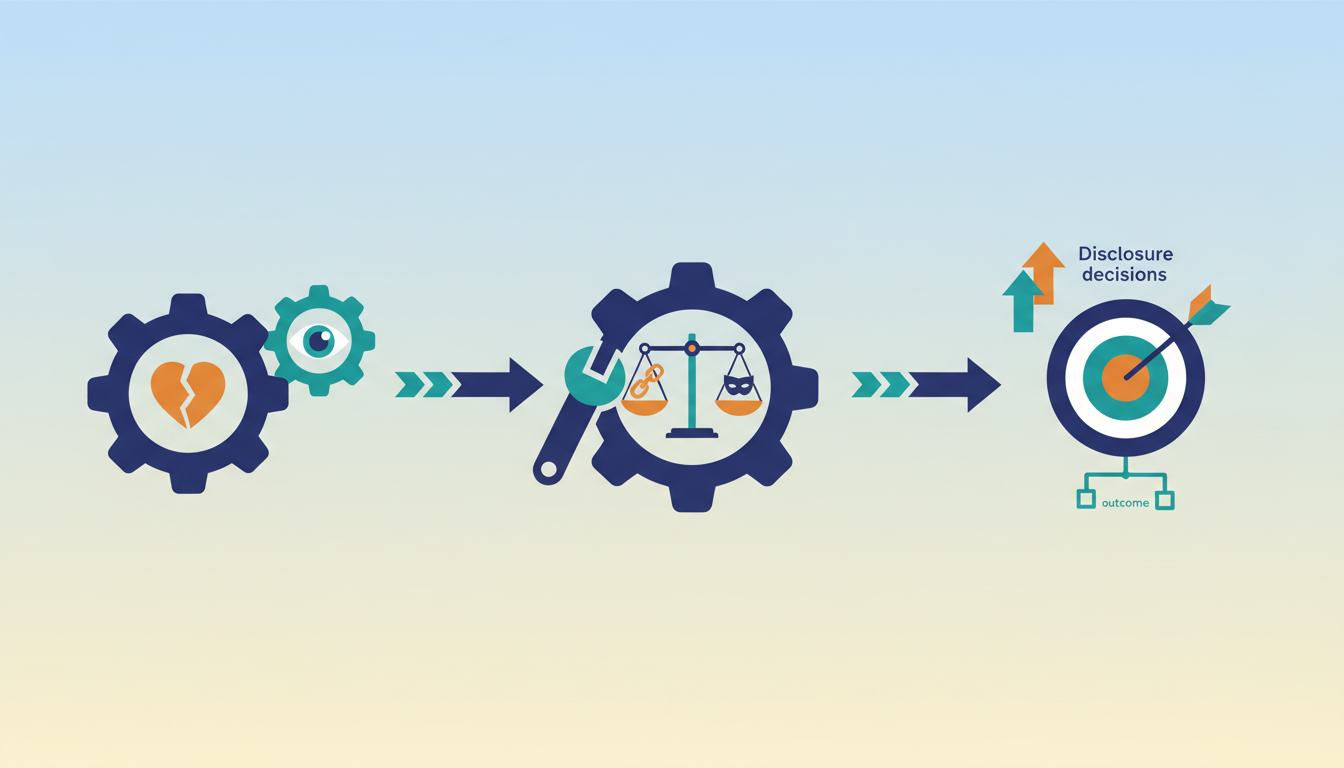
A husband weighs past same-sex acts against current marital stability while lacking a clear identity label. Secrecy functions as a pressure vessel where suppressed heteroromantic desires accumulate stress despite behavioral cessation. Stopping physical encounters after a close call fails to resolve the underlying curiosity driving the compartmentalization. Distinguishing between infidelity and orientation remains difficult when partners conflate sexual acts with romantic intent. A case study illustrates how delayed disclosure can coincide with separate betrayals, complicating the narrative of honesty. Therapeutic discourse increasingly separates bisexuality from cheating, yet the timing of revelation dictates whether trust survives the shock. Research on 56 self-identified bisexual husbands. The dilemma forces a choice between permanent silence or risking the marriage for authenticity. Online relationship counseling offers structured mediation for couples navigating this specific identity crisis. Editorial Mission recommends framing the conversation around pleasure rather than shame to reduce defensive reactions. The primary risk involves the spouse interpreting sexual history as a fundamental deception rather than an unshared aspect of self.
Applying the Near-Discovery Trigger to Disclosure Decisions
Cessation of acts after a close call indicates fear of consequences rather than resolved curiosity, leaving the underlying sexual drive intact. The writer stopped engaging in behavior following a near-miss event, yet this external brake fails to address the internal lack of identity integration. Halting physical contact without processing the heteroromantic nature of the attraction creates a false sense of resolution while guilt persists. Research involving 56 self-identified bisexual husbands suggests that mid-life is a common period for such revelations, implying that suppression is rarely a permanent solution.
| Trigger Type | Operator Response | Long-Term Outcome |
|---|---|---|
| Near-Discovery | Behavioral halt | Unresolved cognitive dissonance |
| Internal Resolution | Communication shift | Potential relationship restructuring |
Partners remain unaware of the active interest that threatens marital trust. General counseling resources focus on trauma recovery but may lack specific frameworks for differing norms around fidelity found in Integrative Behavioral Couple Therapy. Operators must decide if risking the marriage for sexual fulfillment outweighs the erosion of intimacy caused by secrecy. Editorial Mission recommends shifting from shame-based suppression to pleasure-centered communication to preserve trust. True stability requires addressing the thoughts, not the actions.
Disclosure transforms a functional marriage into a betrayal trauma scenario, introducing a crisis where none existed behaviorally. Statistics show 56% of men who cheat rate their unions as happy, proving the threat is not marital collapse but the shattering of perceived stability. Revealing past encounters shifts the flexible from "mostly happy" to an acute straight spouse recovery context, forcing a partner to reprocess years of intimacy through a lens of deception. The risk calculation changes entirely when moving from private guilt to shared knowledge.
| Disclosure State | Primary Risk | Marital Rating Context |
|---|---|---|
| Continued Secrecy | Internal shame accumulation | Perceived as happy by majority |
| Full Transparency | Betrayal trauma onset | Retroactively invalidated |
Therapeutic frameworks like Integrative Behavioral Couple Therapy address differing fidelity norms but cannot undo the shock of retroactive confession. Advisors referencing the Kinsey Scale note that sexuality exists on a spectrum, yet spouses often interpret disclosure as a binary verdict on the relationship's validity. Fixing a lack of sexual connection rarely requires nuclear options that incinerate the existing foundation. The cost of transparency is frequently the total loss of the heteroromantic partnership the individual sought to preserve. Pursuing sexual fulfillment through confession risks trading a solvable intimacy drought for an unfixable trust deficit.
Implementing Open Communication Protocols to Manage Sexual Curiosity and Restore Intimacy
Defining Sexual Curiosity Beyond the Bisexual Label
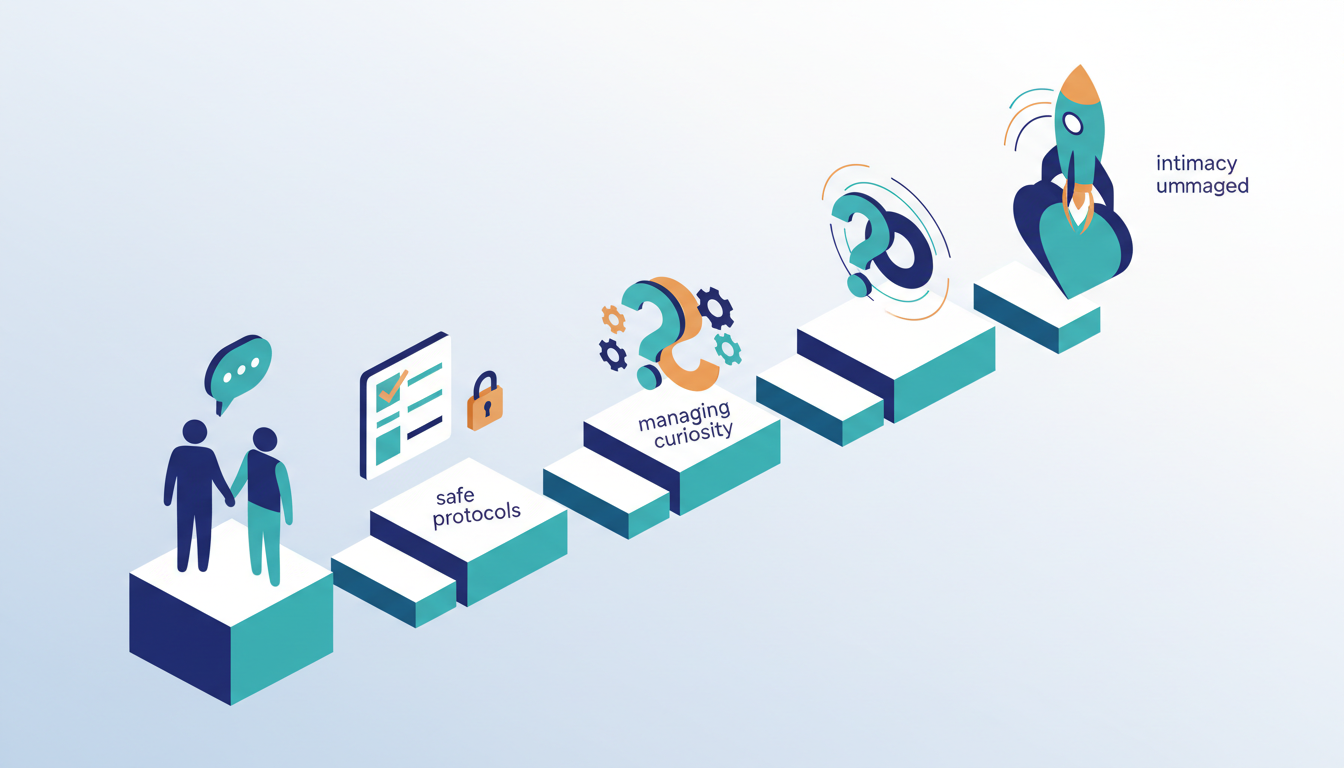
Sexual curiosity operates as a fluid drive distinct from the rigid identity labels often imposed to categorize.
- Treat terms like "bisexual" as functional approximations rather than absolute verdicts on character or destiny. Rich argues that individuals cannot reduce themselves down to the boxes they occupy, urging a shift from shame to unadulterated pleasure.
- Separate romantic orientation from sexual acts to avoid false binaries that damage marital trust. The Slate advice column distinguishes between being heteroromantic and enjoying same-sex encounters without requiring a total identity overhaul.
- Use external resources to navigate the spectrum of human desire without resorting to secrecy. Couples can access online relationship counseling
Labeling functions primarily as shorthand for outsiders, not as an internal cage for the self. Treating these categories as fixed prevents the honest communication required to restore intimacy. The cost of rigid categorization is the suppression of valid desires that do not fit neat societal containers. Partners who conflate specific acts with total identity often miss the nuance of heteroromantic bisexuality. This analytical distinction allows couples to address specific behaviors without assuming the entire relationship foundation is fraudulent.
The abrupt dismissal after a dental kink attempt creates immediate relational rupture requiring structured de-escalation.
- Pause all sexual initiation to prevent compounding the partner's discomfort with pressure.
- Process the vulnerable moment internally before requesting dialogue, avoiding defensive justification.
- Re-initiate conversation using neutral framing that separates the act from identity demands.
Ruminating on the rejection amplifies shame, yet rushing back into discussion triggers further defensiveness. Predictions for 2026 suggest a continued rise in niche interests like sporty smut, reflecting broader trends where specific desires face friction in established dynamics. The problem with dismissed sexual exploration lies not in the kink itself but in the lack of a shared vocabulary to process the mismatch. Partners often lack the tools to distinguish between a hard limit and a temporary boundary. Regain. A key limitation is that some partners view any kink discussion as a threat to marital stability rather than an invitation for intimacy. The implication for the operator is clear: successful re-engagement requires abandoning the specific act temporarily to rebuild the safety required for future negotiation. Steps for managing sexual curiosity in marriage must prioritize the relationship infrastructure over the immediate payload. Without this repair, the sexual curiosity remains a latent fault line capable of causing future collapse.
The Danger of Suppressing Curiosity After a Near-Discovery
Halting physical acts after a near-discovery leaves the underlying sexual curiosity active and unmanaged, creating a high-risk environment for future betrayal.
- Acknowledge that stopping behavior due to fear does not resolve the internal conflict driving the heteroromantic desire.
- Recognize that replacing shame with pleasure is a necessary psychological shift to prevent guilt from festering into resentment.
- Understand that privacy constraints require deliberate scheduling rather than spontaneous suppression of urges.
| Suppression Result | Internal State | Long-term Risk |
|---|---|---|
| Fear-based cessation | Unresolved tension | High relapse probability |
| Integrated communication | Managed curiosity | Sustained marital trust |
Research indicates only 34% of women who cheat report happy marriages, suggesting that unaddressed dissatisfaction in any partner correlates with union instability. Html) highlights that mid-life revelations often stem from accumulated pressure rather than sudden identity shifts. Ignoring this flexible forces the individual into a binary choice between total amputation of desire or deceptive acting.
Operators must pivot from secrecy to structured dialogue to preserve the relationship. Editorial Mission recommends framing these discussions around specific needs rather than identity labels to reduce defensive reactions.
About
Sofia Reyes is a Certified Sex Educator and Somatic Intimacy Coach at mysteries. Love, where she specializes in navigating complex relationship dynamics through body-aware education. Her extensive background as a former clinical sexologist in Barcelona uniquely qualifies her to address the detailed themes of infidelity, sexual identity, and non-traditional marriage structures found in Rich Juzwiak's column. While Juzwiak explores the specific emotional turmoil of a gay husband and a bisexual wife, Reyes brings a pleasure-centered framework to these difficult conversations, focusing on how couples can rebuild trust and intimacy after betrayal. At mysteries. Love, her daily work involves guiding individuals through similar crises of desire and honesty, making her an ideal voice to contextualize this advice for a broader audience seeking evidence-based solutions. By bridging clinical expertise with practical intimacy tools, she helps readers understand that navigating sexual secrets requires both compassion and clear communication.
Conclusion
Scaling this approach reveals that fear-based suppression inevitably fractures under the weight of unaddressed psychological tension, turning temporary compliance into long-term resentment. The operational cost of ignoring these dynamics is not merely emotional drift but the active erosion of the marital foundation, where silence becomes more destructive than the initial curiosity. You must stop treating this as a binary choice between total denial and deception; instead, view it as an infrastructure problem requiring deliberate maintenance. I recommend establishing a the, non-judgmental dialogue protocol within the next thirty days, specifically conditioned on separating specific desires from identity labels to prevent defensive shutdowns. This timeline is critical because delaying structured communication allows the latent fault lines to deepen beyond repair. Start by auditing your current communication patterns this week: identify exactly one topic you have avoided due to fear of judgment and schedule a twenty-minute conversation to address it using "need-based" language rather than accusatory statements. This concrete step shifts the flexible from reactive secrecy to proactive management, creating the necessary space for genuine trust to rebuild without demanding immediate resolution of complex desires.
Frequently Asked Questions
No, disclosure does not inherently equal a betrayal of marriage vows when honesty persists. Current trends show a 193% spike in heteroflexibility, reflecting shifting landscapes rather than isolated moral failures that destroy viable partnerships immediately.
Heteroromantic bisexuality describes an orientation where sexual attraction includes men while romantic commitment stays exclusively with women. This identity reflects the 193% spike in heteroflexibility, distinguishing physical desires from the emotional architecture of a marriage.
Secrecy often forces partners to internalize shame instead of seeking necessary clarity for stability. With heteroflexibility spiking 193%, treating sexuality as a spectrum allows honesty without demanding a total identity shift or immediate destruction of the relationship.
Partners must reject binary thinking entirely to make progress after dismissed attempts or traumatic incidents. Understanding the 193% rise in heteroflexibility helps separate specific sexual behaviors from a complete rejection of the spouse and their shared domestic life.
Guilt is constant for many, yet understanding yourself matters more than getting bogged down with rigid labels. The 193% spike in heteroflexibility suggests these feelings reflect a complex spectrum rather than a simple failure of character or love.