Emotional safety rebuilds desire after conflict
Couples rushing intimacy rebuild face a 50% relapse rate according to Interactive Counselling data, proving emotional safety drives desire more than technique.
Ultimate Intimacy argues that sexual connection fails without the emotional responsiveness Dr. John Gottman identifies as critical for marital satisfaction. Most partners mistakenly prioritize physical frequency or timing, ignoring how stress mode actively suppresses libido when emotional disconnection persists. What occurs outside the bedroom dictates success inside it. Criticism and stonewalling serve as primary barriers to vulnerability.
Emotional safety acts as the biological prerequisite for attraction rather than a mere preference. Unresolved conflict triggers stress responses that kill desire, specifically for wives who feel unheard. Rebuilding intimacy requires genuine connection, moving beyond routine interactions to restore the trust required for true physical closeness.
Emotional Safety as the Biological Foundation of Desire
Defining Emotional Safety as Freedom from Criticism and Withdrawal
Emotional safety represents a state where individuals express themselves without fearing criticism, rejection, or withdrawal. This psychological baseline allows the nervous system to relax instead of triggering a stress response that inhibits desire. Partners who perceive freedom from negative interactions like stonewalling create the biological conditions necessary for vulnerability. Research identifies criticism and contempt as primary destroyers of this safety, whereas consistent emotional responsiveness builds the marital friendship required for sustained intimacy. Modern frameworks emphasize slowness and safety to regulate the nervous system effectively rather than pursuing immediate gratification through high-intensity approaches. This shift recognizes that emotional visibility acts as a necessary prerequisite for modern sexual satisfaction. For most couples, especially wives, sexual connection is deeply influenced by emotional connection, meaning what happens outside the bedroom often matters more.
| Factor | Impact on Safety | Result for Desire |
|---|---|---|
| Criticism | Creates threat response | Blocks access |
| Responsiveness | Builds trust | Activates system |
| Withdrawal | Signals rejection | Reduces openness |
Pursuing immediate physical connection without first establishing emotional responsiveness often reinforces the very barriers preventing intimacy. If one partner demands sex while the other processes unresolved conflict, the stressed nervous system cannot physiologically engage in arousal. The path to desire requires prioritizing non-sexual connection to lower defensive walls before physical touch can feel safe.
How Daily Disconnection Triggers Stress Responses That Block Desire
Unresolved daytime criticism activates the sympathetic nervous system, creating a physiological barrier to evening intimacy. When a partner feels unheard or judged, the body enters a stress state that directly suppresses the relaxation required for arousal. Sexual desire often grows directly from the foundation of feeling emotionally connected, safe, and valued by a partner. Negative interactions during daylight hours function as active inhibitors rather than neutral events. The release of oxytocin during and after orgasm creates a steep increase in feelings of affection, peace, and comfort, serving as a primary chemical mechanism that bonds emotional connection to physical acts. This biological bonding process struggles to initiate when the brain perceives ongoing emotional threat.
| Daily Trigger | Physiological Response | Intimacy Impact |
|---|---|---|
| Unaddressed Criticism | Elevated cortisol levels | Reduced blood flow |
| Emotional Withdrawal | Hypervigilance | Decreased lubrication |
| Defensiveness | Muscle tension | Lowered libido |
Addressing these disconnections before the evening is necessary because fatigue can complicate the process of nervous system regulation. Operators of healthy relationships recognize that waiting until bedtime to resolve tension ignores the biological timeline of stress recovery. The limitation here is temporal; once the stress response dominates, purely physical advances often feel intrusive rather than inviting. Couples benefit from attending to emotional ruptures promptly to prevent the solidification of distance. Ignoring this timing mismatch ensures that the biological capacity for desire remains offline regardless of physical technique or intent.
The 50% Relapse Risk of Rushing Intimacy Without Vulnerability
Couples prioritizing physical technique over emotional foundations face significant challenges in maintaining relationship progress. This reality emerges when partners attempt to rebuild sexual connection without allowing sufficient time for true vulnerability. Stress and emotional tension act as primary barriers, keeping the nervous system in a defensive state that biologically blocks desire. When daily interactions lack safety, the brain prioritizes survival mechanisms over the openness required for intimacy. The critical failure mode here is mistaking physical access for emotional reconnection. Partners may engage in sexual acts while remaining emotionally guarded, creating a false sense of repair that collapses under minor conflict. This approach ignores the necessity of processing disconnection before attempting to restore closeness. Without addressing the root causes of distance, such as criticism or withdrawal, any physical progress remains fragile and temporary. The cost of this impatience is measurable, as many couples who rush this process lose their gained ground entirely. Sustainable recovery requires delaying physical escalation until emotional safety is re-established through consistent, non-defensive communication. Only when the nervous system registers genuine security can desire return without the risk of immediate regression.
The Mechanics of Stress and Conflict on Sexual Attraction
How Stress Hormones Prioritize Survival Over Sexual Openness
Cortisol release shifts neural processing toward threat detection, effectively shutting down the reproductive drive required for intimacy. When the brain perceives danger, it diverts energy from non-necessary systems to ensure immediate survival, making sexual openness biologically inaccessible during high stress. This physiological prioritization means that conflict resolution serves as a direct prerequisite for desire rather than a separate relationship task. Stress functions as a primary inhibitor because the mind focuses on problem-solving and safety over connection when life feels overwhelming. Consequently, partners cannot bypass this biological gatekeeper; emotional distance often reinforces itself when sexual needs go unspoken or unmet unmet.
Active listening and non-judgmental presence function as immediate biological signals that lower emotional tension after conflict. When a partner offers reassurance without demanding a specific response, the nervous system shifts from threat detection to social engagement. This physiological change is required before physical desire can return, as stress hormones otherwise block the relaxation necessary for intimacy. Research indicates that shared emotional experiences, whether positive or negative, serve as the primary driver for developing a deeper bond that lowers barriers to sexual connection primary driver.
Chronic criticism and withdrawal function as active predictors of relationship instability when left unaddressed. Dr. Gottman identifies these negative patterns as signals that erode the marital friendship required for sustained attraction. When a couple argues and fails to repair the emotional damage, one or both spouses feel disconnected, and that disconnection often carries into the bedroom. This lingering tension creates a feedback loop where unmet sexual needs deepen the very emotional patterns causing the distance. Unlike temporary stressors, these unresolved cycles prevent the nervous system from shifting into a state of safety necessary for desire. The mechanism is clear: without the foundation of friendship, physical intimacy feels disconnected rather than bonding.
| Conflict Pattern | Impact on Intimacy | Required Repair |
|---|---|---|
| Criticism | Erodes safety and trust | Gentle startup |
| Withdrawal | Blocks emotional access | Re-engagement |
| Defensiveness | Prevents resolution | Taking responsibility |
The cost of ignoring these dynamics is a permanent shift in how partners perceive each other's intentions. Relationships lacking this emotional foundation face higher risks of failure because empathy cannot coexist with active defense modes. Partners seeking connection primarily through sex rather than rebuilding friendship often experience a cycle where initial pleasure is quickly replaced by a sense of emptiness. Ultimate Intimacy advises that restoring physical connection demands addressing the root conflict first. Without this repair, attraction diminishes as the brain associates the partner with threat rather than safety.
Practical Strategies to Rebuild Intimacy Through Connection
Defining Emotional Responsiveness as Tuned-In Care
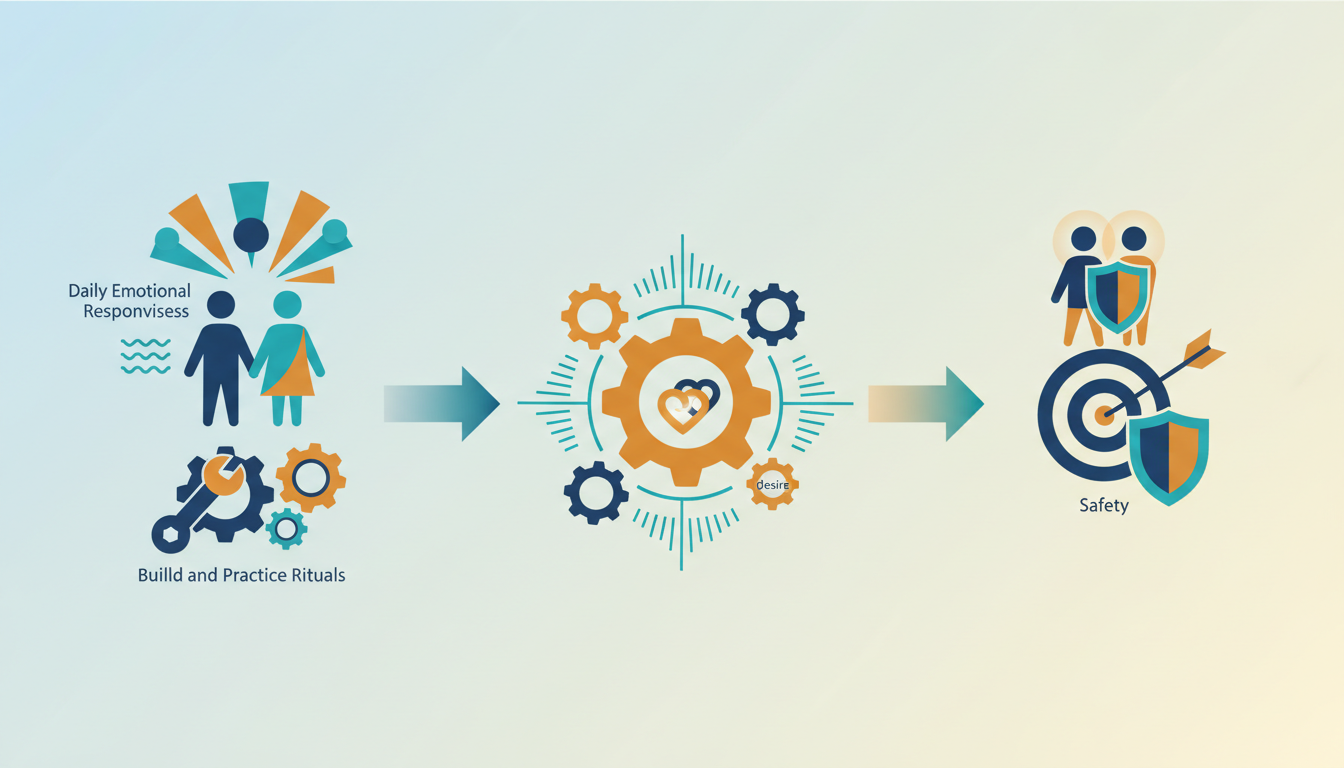
Emotional responsiveness means tuning in to a spouse's needs and answering with care through listening, validating feelings, and showing genuine interest. This flexible differs from simple physical presence because it requires active engagement instead of passive proximity. A partner who consistently demonstrates this type of care makes the recipient feel deeply valued, which strengthens the relational bond and fosters necessary trust. Couples maintaining such a strong friendship foundation report more satisfying emotional and physical intimacy over time compared to those lacking this connection. Partners engaging in open conversations about desires create a foundation for satisfying sexual connection, while emotional disconnection makes physical connection difficult. Research indicates successful couples build emotional systems to manage stress together, suggesting mutual support is necessary for lasting connection. Physical acts may occur without this tuned-in approach, yet they often lack the deepened emotional closeness that transforms routine into genuine connection.
Building Anticipation Through Daily Connection Deposits
Desire builds gradually through emotional buildup throughout the day rather than appearing spontaneously. Small moments of emotional connection act as deposits into the relationship, including kind words, thoughtful messages, or feelings of appreciation. Partners exchanging these micro-interactions create a continuous thread of anticipation that prevents intimacy from feeling like an isolated event. A spouse expressing gratitude in the morning and checking in by afternoon fosters a state of readiness that evening proximity alone cannot generate. Couples maintaining such a strong friendship enjoy more satisfying emotional and physical intimacy over time compared to those who do not. The relationship risks bordering on the platonic despite deep underlying love without these daily deposits, representing a significant opportunity cost for partners seeking complete connection. Consistency presents an operational limitation here because stress and emotional tension act as substantial barriers to intimacy that frequent, positive interactions help lower. Integrating these behaviors sustains emotional warmth. Ignoring this cumulative process often results in a disconnect where physical advances feel abrupt or unwarranted to a partner who felt unheard all day.
Strengthening Friendship to Reinforce the Emotional Bond
Sharing humor and staying curious about each other's inner world serve as key components of marital friendship. Couples enjoying time together and sharing meaningful conversations tend to lower barriers blocking sexual desire.
- Prioritize shared laughter to enjoy time together and reinforce the bond.
- Maintain curiosity about a partner's inner world rather than assuming static knowledge.
- Engage in joint activities generating new memories to reinforce the emotional bond.
- Ask specific questions about daily events to demonstrate active listening skills.
- Plan regular dates focused solely on fun rather than household logistics.
One of the most powerful findings from Dr. Gottman's research is that friendship is the foundation of a lasting marriage. Processing shared emotional experiences serves as the primary driver for developing deeper bonds necessary to reduce intimacy barriers. A significant constraint exists for couples attempting to force sexual frequency while neglecting these friendship deposits. Physical acts risk becoming performative obligations eroding trust further without the core safety of genuine likability. The consequence is a paradoxical decline in desire precisely when effort increases, as the brain interprets the demand for intimacy without friendship as a threat to autonomy. Focusing on non-sexual connection first ensures subsequent physical closeness feels like a natural extension of safety. Sexual connection transforms from a scheduled task into a spontaneous expression of existing closeness when partners successfully build this marital friendship.
Repairing Relationship Ruptures to Restore Sexual Trust
Defining Repair as Active Reconnection After Conflict
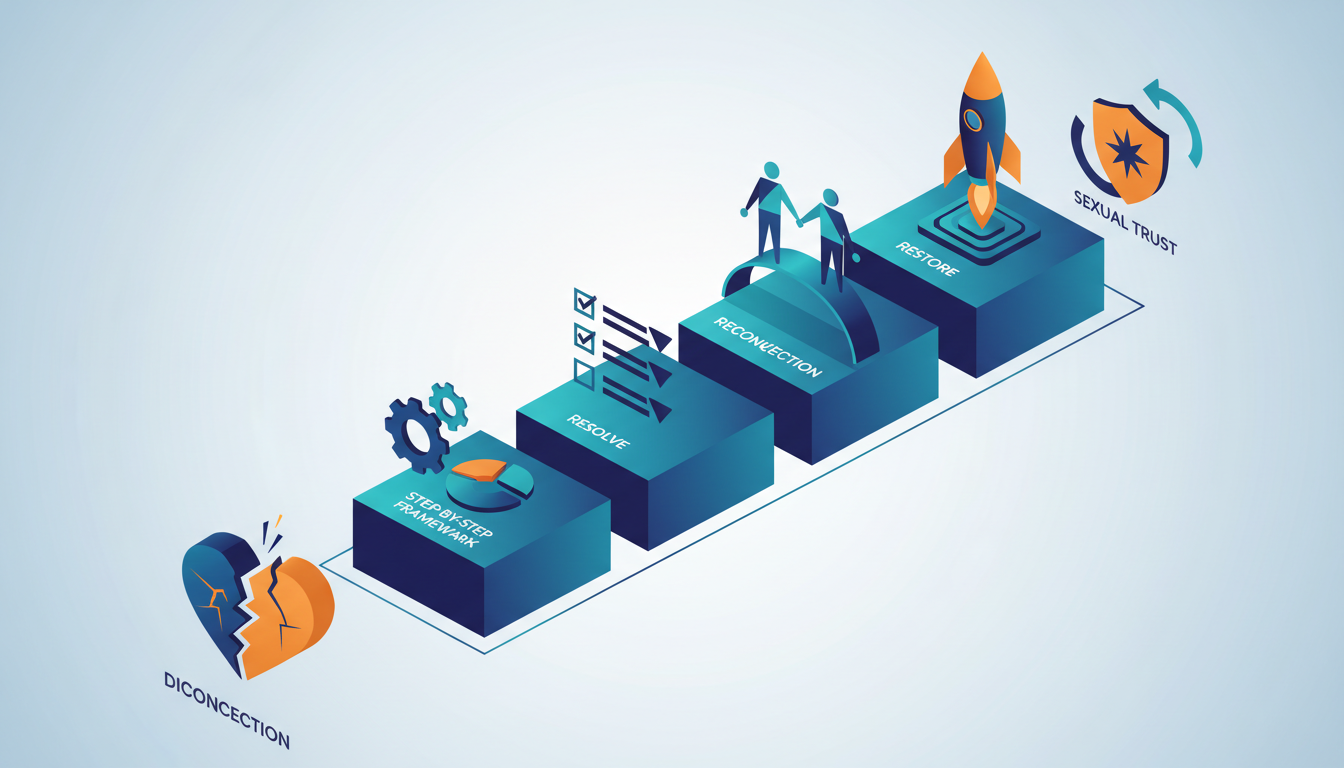
Repair functions as the active process of reassurance required to stop emotional disconnection from carrying into the bedroom. This intervention prevents unresolved tensions from weakening both emotional and physical bonds when couples feel stuck in cycles of criticism or withdrawal. Without this specific reconnection, the nervous system remains in a state of alert that directly inhibits sexual desire.
- Prioritize emotional responsiveness to signal safety, as positive interaction patterns are strong predictors of marital satisfaction.
- Avoid negative interactions such as criticism, contempt, defensiveness, and stonewalling, which significantly damage emotional safety.
- Initiate daily appreciation deposits to shift the nervous system from survival mode toward social engagement.
- Share meaningful conversations and check in emotionally to build the trust necessary for vulnerability.
- Show genuine interest in your partner's life, as feeling understood and appreciated increases physical attraction.
- Engage in shared humor and enjoy time together, since friendship is the foundation of a lasting marriage.
This structured approach prevents the emotional disconnection that often carries into the bedroom after an argument. While physical techniques address mechanics, they cannot bypass the biological requirement for safety that precedes desire.
Initiating sexual contact while unresolved tension lingers creates a flexible where intimacy feels forced or distant. Even small unresolved tensions can linger and create distance, causing the nervous system to prioritize threat detection over connection. When emotional connection is weak, sexual intimacy can feel forced, inconsistent, or distant, effectively severing the link between physical acts and relational bonding. This misalignment risks reinforcing a feedback loop where unspoken needs deepen emotional patterns that root further sexual challenges. The neglected emotional foreplay exacts a high relational cost by returning partners to performance-based interactions rather than shared vulnerability. Couples must recognize that specific relational dynamics are required to restore sexual trust:
- Build emotional systems to manage stress together, as successful couples do not eliminate stress but navigate it jointly.
- Support vulnerability through emotional closeness, which is a key ingredient for sexual intimacy.
- Ensure the nervous system relaxes by establishing emotional safety, set as feeling secure without fear of criticism or rejection.
The primary recommendation is to strengthen emotional connection to improve sexual connection by focusing on friendship, building emotional safety, and reducing conflict. Attempting intimacy without this active reconnection often results in a relationship bordering on the platonic, even when deep love remains present.
About
Sofia Reyes is a certified sex educator and somatic intimacy coach at mysteries.love, where she specializes in pleasure-centered education and body awareness. Her expertise makes her uniquely qualified to explore the critical link between emotional safety and sexual connection. In her daily work guiding couples through somatic practices and trauma-informed approaches, Sofia observes firsthand how unresolved emotional disconnection often manifests as sexual dissatisfaction. This article reflects her professional focus on bridging relationship psychology with practical intimacy techniques. By addressing the emotional underpinnings of desire, she helps readers understand that true intimacy begins with psychological safety rather than physical technique alone. Writing for mysteries.love, a platform dedicated to evidence-based sexual wellness, Sofia translates complex emotional dynamics into actionable insights. Her background ensures that the discussion on emotional bids and trust is grounded in both clinical research and real-world coaching experience, offering couples a path to deeper, more resilient connection.
Conclusion
Scaling intimacy without established emotional safety guarantees that physical acts remain performative rather than restorative. When couples bypass the necessary repair of friendship dynamics, they incur a compounding relational debt where partners coexist in a state of high alert. This chronic tension prevents the biological relaxation required for genuine arousal, trapping relationships in a cycle of forced connection that feels increasingly distant over time. The operational cost of ignoring this infrastructure is a partnership that functions mechanically but lacks the vulnerability required for long-term sustainability.
You must prioritize building emotional systems for joint stress navigation before attempting to reignite sexual frequency. Treat friendship not as a separate category of interaction but as the mandatory prerequisite for passion. If your current flexible relies on skipping conflict resolution to reach intimacy, you are reinforcing a feedback loop that severs the link between physical closeness and relational bonding. Stop viewing emotional work as a distraction from sex; it is the only viable pathway to it.
Start this week by instituting a strict rule against initiating sexual contact until you have successfully navigated one unresolved tension together. Use this deliberate pause to verify that both partners feel secure from criticism, ensuring that subsequent physical closeness stems from shared safety rather than obligation.
Frequently Asked Questions
Rushing physical intimacy without vulnerability causes a 50% relapse rate in relationship progress. Partners must prioritize non-sexual connection first to lower defensive walls before attempting physical touch again.
Unaddressed criticism elevates cortisol levels which directly reduces blood flow needed for arousal. This stress response keeps the nervous system in survival mode rather than allowing relaxation for intimacy.
Emotional responsiveness builds the trust required for vulnerability while poor techniques often fail without it. Without this safety, sexual connection becomes difficult to access consistently regardless of physical skill level.
Orgasm triggers oxytocin release which creates a steep increase in feelings of affection and peace. This chemical mechanism bonds emotional connection to physical acts but requires prior safety to initiate effectively.
High physical frequency cannot fix marriage issues caused by emotional disconnection or stonewalling barriers. Partners must address unresolved conflict first because stress mode actively suppresses libido despite frequent physical attempts.
References