Desire isn't broken: why presence beats libido
Most "low libido" cases stem from a busy mind lacking bandwidth, not a hormonal deficit.
Biological failure makes for a convenient scapegoat, but it distracts from the actual crisis: a presence problem. Partners cannot mentally arrive. Claudia Six Ph. D. Argues in *Psychology Today* that individuals scanning for logistics and managing household demands lack the emotional attunement required for relational sex. They retreat to solitary habits because those demand zero negotiation. This avoidance masquerades as low desire, yet the capacity for arousal remains intact when the mental noise ceases. As 2026 data from the Sensual Wellness Center indicates, the cultural pivot toward mindfulness-based intimacy directly counters this trend by prioritizing awareness over performance metrics.
We need to stop conflating desire and arousal. The former is a conscious choice to engage; the latter is a physiological response. Mental distraction and the comfort of solitary pleasure block genuine connection by removing the vulnerability of being seen. The fix isn't a pill. It is cultivating relational presence, moving partners from cognitive overload to erotic responsiveness.
The Critical Distinction Between Desire and Arousal in Relational Sex
Defining Desire as Willingness Versus Arousal as Physical Response
Desire is the willingness to initiate engagement. It stands apart from the physiological state of arousal. This separation explains why partners retain biological capacity yet lack the impetus to begin. Three specific loci generate desire: the body, the heart, or the head. A partner might act on a horny impulse, emotional affection, or a cognitive decision that intimacy benefits the relationship. None of these starting points demand immediate physical excitement. Blood flow, heavy breathing, lubrication, and the unfolding of sensation constitute arousal once activities are underway. Confusing these mechanisms leads to misdiagnosing relational deficits as biological failures.
Applying the Three Origins of Desire to Overcome Mental Hesitation
Mental hesitation during initiation often signals a bandwidth deficit rather than a biological failure of libido. Partners with busy minds scanning logistics can consciously bypass the missing crotch-level impulse by engaging from the heart or head. This cognitive choice activates the Dual Control Model accelerators even when natural brakes like stress remain engaged. Desire changes often occur asymmetrically after childbirth or during menopause, requiring partners to renegotiate intimacy based on mental availability rather than hormone levels. A specific female patient in therapy illustrates how relationship dynamics manifest as low desire when control issues block the willingness to engage. Operators must distinguish between the three origins to apply the correct intervention strategy.
- Choosing to start from the head allows individuals to override the whisper of aversion caused by mental clutter.
- Partners mistake a lack of presence for a lack of love, creating unnecessary relational friction.
- Presence acts as the primary mechanism for restoring intimacy because it converts obligation into connection.
- Without this mental shift, the body cannot transition into the state of arousal characterized by blood flow and sensation.
The Risk of Mislabeling Presence Deficits as Clinical Low Libido
Misidentifying mental absence as biological low libido drives incorrect clinical pathways for partners capable of solitary function. People often claim fatigue or stress explains their lack of interest, masking the actual deficit in emotional arrival. Real sex with another human requires arriving mentally and erotically, an effortful process distinct from passive physiological readiness. This hesitation frequently stems from a crowded mind unable to transition from logistics to intimacy, not a broken hormone system. The diagnosis of Hypoactive Sexual Desire Disorder specifically mandates marked interpersonal difficulty, separating clinical pathology from situational bandwidth shortages. Chronic stress elevates cortisol, which actively suppresses the gonadic steroids necessary for biological drive, creating a feedback loop where pressure kills the very capacity needed to relieve it. Solitary desire often remains intact while partnered desire vanishes, proving the machinery works but the relational gateway is blocked. This visualization disproves the myth that low desire is always a global biological failure. Partners mistake this specific inability to engage for a total loss of function. Treating a presence problem with testosterone ignores the root cause of avoidance. Medication fails when the barrier is the sheer effort of showing.
How Mental Distraction and Solitary Habits Block Sexual Connection
Defining Presence as the True Erotic Gateway
Presence functions as the true erotic gateway that permits arousal to build, distinct from the mechanical act of sex. Partners experience intimacy as obligation rather than connection without this psychological state. Specific functions include letting a partner feel chosen instead of managed and transforming simple touch into meaning. Mental distraction during sex creates a barrier where one body is present while the mind scans logistics, preventing the emotional attunement required for dyadic desire. This flexible explains why individuals may engage in regular solitary habits yet present as the low-libido partner in a relationship. Masturbation demands no negotiation or risk of mis-attunement, whereas relational sex requires vulnerable arrival.
Masturbation vs Relational Sex: The Safety of Solitary Terms
Solitary engagement eliminates negotiation, attunement, and vulnerability, creating a cognitive sanctuary absent in dyadic intimacy. Masturbation operates on unilateral terms where no partner's preferences, sensitivities, or triggers require consideration. This safety explains why low solitary desire appears frequently while partnered reluctance remains comparatively rare. The cognitive load differs fundamentally because self-pleasure demands no reading of another body or risk of mis-attunement.
| Feature | Solitary Context | Relational Context |
|---|---|---|
| Negotiation | None required | Continuous verbal/non-verbal |
| Attunement | Self-referential only | Dual-system synchronization |
| Vulnerability | Zero exposure | High risk of being seen |
| Cognitive Load | Minimal | Significant executive function |
Partners must manage another human being on the other end of their genitals, introducing complexity that solitary habits avoid. The disparity suggests that treating global libido deficits with pharmaceuticals like Lybrido from Freya Pharma Solutions misses the specific barrier of presence. Clinical pathways often fail because they target biological mechanics rather than the effort required to arrive mentally and erotically. A partner may possess high solitary drive yet reject intimacy because presence feels risky compared to the safety of solo terms. The problem is not capacity but the willingness to endure the friction of another mind. Relational sex transforms touch into meaning only when bandwidth exists for emotional arrival.
| Focus Area | Performance Model | Presence Model |
|---|---|---|
| Goal | Arousal onset | Emotional attunement |
| Metric | Frequency counts | Felt connection |
| Failure Mode | Feeling broken | Feeling managed |
The trend away from optimization toward awareness highlights how solitary habits avoid the vulnerability of being seen by another person. Couples often mistake a busy mind for low drive, yet the capacity to arrive mentally remains the actual variable requiring adjustment. Pharmaceutical interventions target chemical pathways but fail to resolve the reluctance born from crowded mental bandwidth. Restoring connection demands that partners view hesitation as a signal for regulation rather than a symptom requiring correction. The true erotic gateway opens only when the mind stops managing logistics and starts inhabiting the moment. Editorial Mission advises treating this shift as a fundamental operational change rather than a temporary fix for relationship friction.
Practical Steps to Cultivate Presence and Restore Sexual Desire
The Absence of Presence as the True Libido Barrier
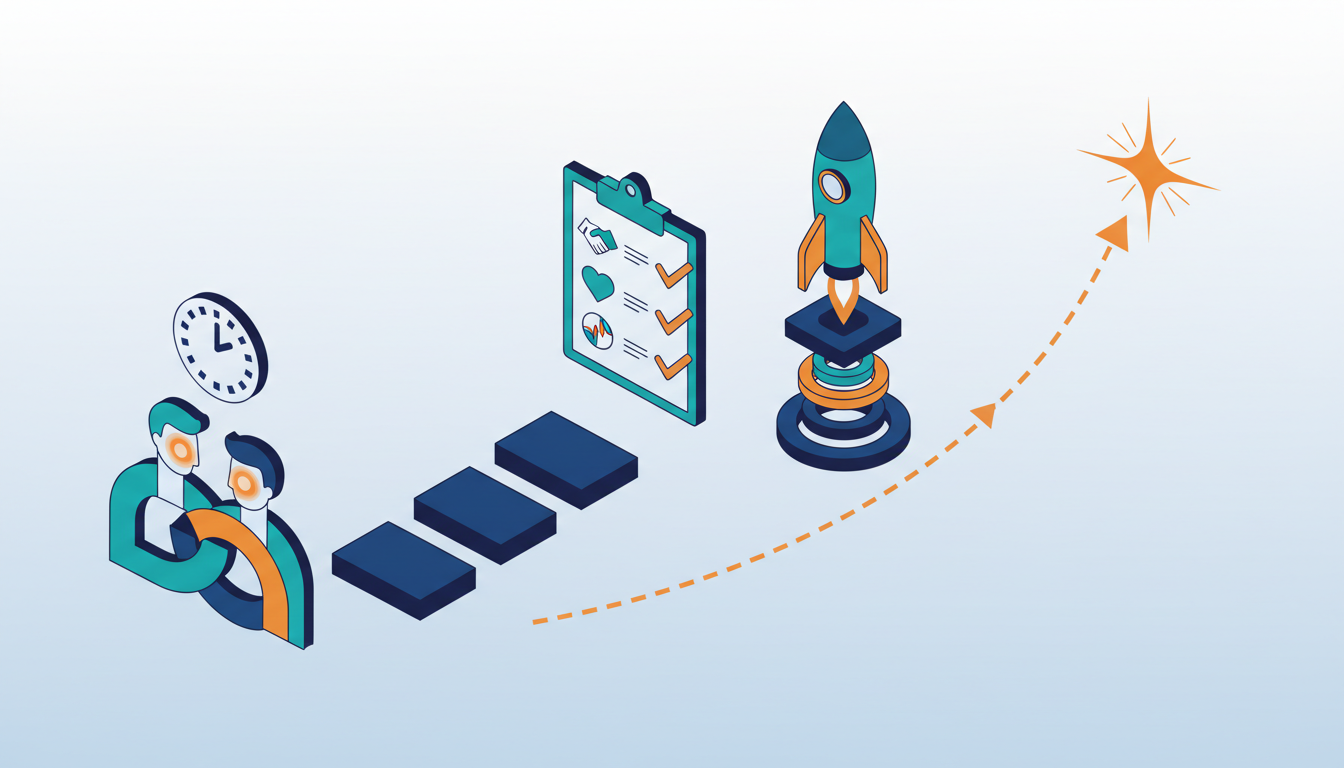
Low desire often manifests as a scanning mind unable to disengage from logistics rather than a biological deficit in drive. Individuals with this condition constantly organize and anticipate, lacking the mental bandwidth required to arrive emotionally for a partner. Articles published in April 2026 explicitly frame this phenomenon as a presence problem, marking a conceptual shift away from medicalizing normal stress responses. Chronic stress elevates cortisol, which biologically suppresses gonadic steroids that enable sexual interest, creating a physiological barrier rooted in psychological load. Operators must distinguish between a lack of impulse and an inability to transition from management mode to connection.
Partners must audit their cognitive load before initiation by asking if they possess the mental bandwidth to arrive fully. Individuals often pause to question whether they really have the capacity to show up right now, a self-check that prevents performing sex as a logistical task. This internal inquiry shifts focus from biological deficits to the immediate availability of attention required for emotional attunement. External stressors frequently consume the resources needed for intimacy, with models explaining up to 29.0% of variance in fear regarding sexual rejection among stressed workers. The consequence of ignoring this depletion is a partner who feels managed rather than chosen, turning potential connection into another obligation on a crowded list.
- Halt all planning activities to silence the scanning mind.
- Verify internal willingness to engage without demanding immediate arousal.
- Execute a brief transition ritual to move from head to body.
Skipping this audit risks reinforcing the belief that one suffers from low libido when the actual deficit is mindfulness-based intimacy practices that support safety. The limitation of this approach is that it demands active effort to disengage from daily management modes, which feels difficult when exhaustion is high. Editorial Mission recommends treating this bandwidth check as a mandatory gateway rather than an optional warm-up.
Shifting from Obligation to Chosen Connection
Transforming managed obligation into chosen connection requires replacing performance targets with specific mindfulness-focused intimacy practices.
- Halt immediate initiation to alter the scanning mind pattern.
- Execute non-demanding touch to signal safety rather than expectation.
- Synchronize breathing rhythms to force mental bandwidth reallocation toward the partner.
This protocol addresses the root cause where mindfulness-oriented intimacy practices replace over-optimization to deepen connection without focusing on outcomes. Operators must avoid the trap of over-medicalizing Ignoring this distinction renders biological interventions ineffective because the barrier is attentional absence, not hormonal deficit. Editorial Mission recommends treating mental presence as the primary gateway to restore erotic attunement.
Evaluating When Professional Sex Therapy Is Necessary for Desire Issues
Demographic Predictors of Sexual Desire Variation

Age, gender, and family status explain a significant share of sexual desire variation across 67,334 adults in the Estonian Biobank. This statistical baseline distinguishes normal demographic shifts from clinical dysfunction requiring intervention. Low sexual desire remains the most reported dysfunction, affecting 33.4% of females during clinical assessments. Men display a divergent pattern where solitary desire often exceeds partnered engagement notably. Psychological symptoms like anxiety predict low desire in men more accurately than hormonal markers alone. Women frequently report low interest linked to interpersonal issues rather than physiological deficits. Treatment protocols must therefore target psychological factors before attempting hormonal replacement. Demographic data guides triage but does not replace the need for presence. Operators risk misdiagnosis by treating statistical norms as pathologies. Editorial Mission advises verifying mental bandwidth before prescribing pharmaceuticals.
Applying the Bandwidth Question to Assess Presence Deficits
Ask "Do I have the bandwidth to show up? " before labeling low desire a biological deficit. This diagnostic query separates mental bandwidth scarcity from physiological libido failure, guiding couples toward appropriate care. Data indicates that while a small to moderate share of young men report low desire, the gap between solitary and partnered interest often signals relational friction rather than hormonal collapse. Individuals with high solitary drive but low dyadic engagement frequently lack the capacity for emotional attunement required by another person. A specific case involved a female patient who chose pleasure via vibration over a partner who refused engagement, illustrating how control issues manifest as desire discrepancy . Such dynamics confirm that absence of presence mimics medical dysfunction. Operators must recognize that a notable minority to a substantial portion of men meet clinical HSDD criteria, yet many others simply face a scanning mind unable to land. When domestic burden consumes cognitive resources, desire for a partner evaporates while self-pleasure remains intact. If the bandwidth question yields a negative answer, the solution involves restoring safety rather than prescribing medication. Editorial Mission advises pausing optimization efforts to cultivate the spaciousness necessary for genuine connection.
The Risk of Misdiagnosing Presence Issues as Clinical HSDD
Labeling a busy mind as Hypoactive Sexual Desire Disorder ignores the diagnostic requirement for marked interpersonal distress. A study of 964 North American women revealed that a majority reported problematic low sexual desire, yet many lack only the mental bandwidth to engage rather than a biological drive. Operators frequently mistake solitary functionality for partnered health, overlooking that masturbation requires no attunement to another person's triggers. New treatment guidelines published in October 2025 emphasize distinguishing clinical pathology from situational absence. Premature medicalization risks masking the root cause: a partner who feels managed rather than chosen. Couples must verify if the hesitation stems from a very busy mind scanning for logistics before pursuing drug candidates like Lybrido. The cost of misdiagnosis is the loss of relational repair opportunities in favor of unnecessary pharmacological intervention. Editorial Mission advises pausing any trend that makes an individual feel broken without first assessing capacity for presence.
About
Sofia Reyes is a Certified Sex Educator and Somatic Intimacy Coach at mysteries. Love, where she specializes in pleasure-centered education and body awareness. Her unique background as a former clinical sexologist in Barcelona provides the necessary expertise needed to reframe low libido not as a biological failure, but as a crisis of presence. In her daily work guiding couples through somatic exercises, Reyes observes that desire often vanishes when individuals disconnect from their physical sensations rather than suffering from hormonal deficits. This article directly translates her hands-on coaching experience into actionable insights, bridging the gap between clinical research and practical intimacy. By writing for mysteries. Love, a platform dedicated to evidence-based sexual wellness, she connects modern sextech and relationship tools with the deeper psychological need to be fully embodied. Her approach offers readers a factual, non-judgmental path to reclaiming connection through mindful awareness rather than medical intervention.
Conclusion
Scaling intimacy protocols fails when systems treat cognitive overload as a chemical deficit. The operational cost of this misalignment is the permanent erosion of relational trust, as partners internalize a narrative of brokenness instead of recognizing a temporary capacity constraint. When domestic logistics consume the attention required for attunement, no amount of pharmacological adjustment can restore the specific type of focus needed for dyadic connection. This distinction dictates that organizations and clinicians must halt the reflexive prescription of desire-enhancing drugs until a thorough audit of daily cognitive load is completed.
Implement a strict moratorium on medical interventions for low desire until the individual has dedicated two weeks to reducing non-necessary decision fatigue. Only if desire remains absent after reclaiming that mental space should clinical pathology be considered the primary driver. Start by tracking every instance of mental scanning for logistics during evening hours this week, then eliminate or delegate three of those tasks immediately to create a protected window for unstructured connection. This deliberate reduction in cognitive noise provides the only valid baseline for determining whether the issue is situational or biological. Prioritize restoring the environment for presence before attempting to fix the individual.
Frequently Asked Questions
Solitary habits require zero negotiation or emotional attunement. Relational sex demands mental bandwidth that busy minds often lack. Between 40% and 65% of people on SSRIs face similar engagement blocks due to this absence of presence.
Yes, you can initiate intimacy from your heart or head rather than waiting for body impulses. This conscious choice bypasses mental hesitation. Between 40% and 65% of individuals struggle to shift from managing mindsets to this present state.
If you function solo but avoid partnered sex, you likely lack bandwidth, not biological drive. Mental scanning blocks the willingness to engage. Between 40% and 65% of those on SSRIs experience this specific type of dysfunction.
A crowded mind filled with logistics creates a whisper of aversion that stops you from arriving. Presence is the required gateway for physical response. Between 40% and 65% of SSRI users report this inability to mentally engage.
Chemical triggers fail if the operator lacks the mental bandwidth to shift into a present state. Medication cannot force the willingness to engage. Between 40% and 65% of individuals on SSRIs still experience dysfunction without cultivating presence.